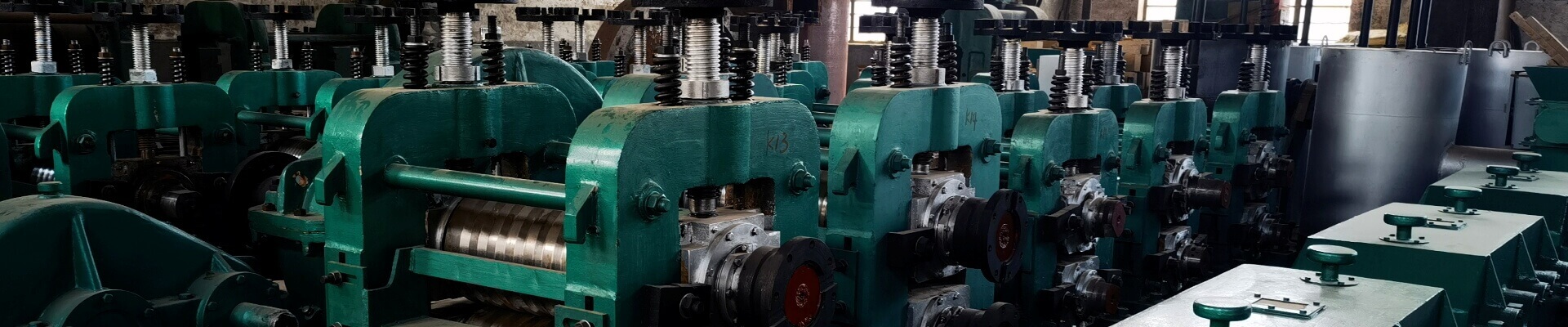
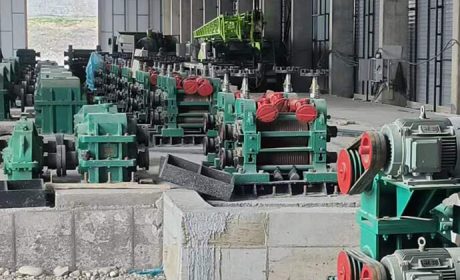
Roll forming process involves converting sheet metal into engineered shapes using consecutive sets of mated rolls. This method dates back to ancient times, evolving significantly during the Industrial Revolution. The transition from manual to automated processes marked a major milestone, boosting productivity and design possibilities. Modern roll forming plays a crucial role in manufacturing, especially in producing automotive…
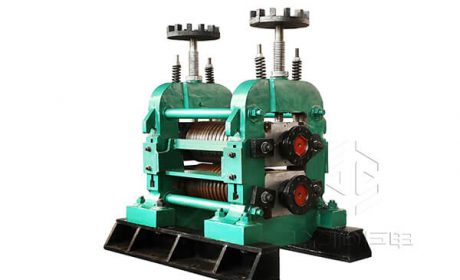
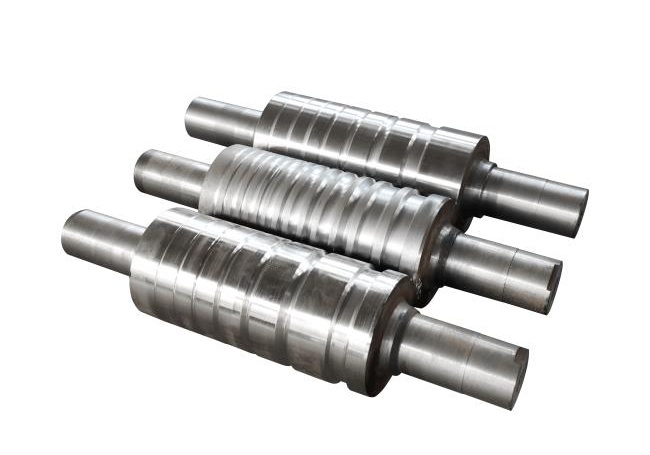
A rolling mill is a metalworking machine that presses raw metal through one or more pairs of rollers to reduce its thickness and make it uniform. This process is fundamental to the production of sheet metal, structural steel, and other products. The following are the main types of rolling methods commonly used in rolling mills:…
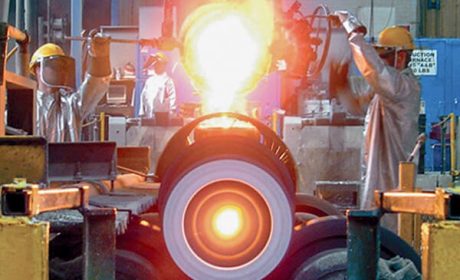
Steel rolling is a fundamental process in metalworking, where raw metal is pressed through rollers to reduce thickness and improve mechanical properties. The importance of the rolling process in steel manufacturing lies in the ability to process raw materials such as ingots and billets to produce a variety of final products such as bars and…
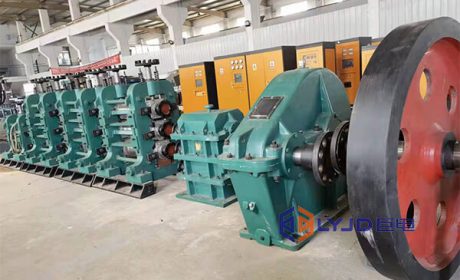
The key to increasing productivity and reducing costs in the metalworking industry lies in improving the operational efficiency of rolling mill equipment. By optimizing processes and adopting advanced technologies, manufacturers can achieve higher output and better quality. This article will delve into various aspects of operational efficiency, including understanding key components and exploring factors that…
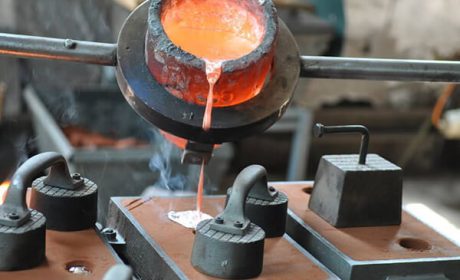
Steel and billet are fundamental materials in a wide range of industries, with unique properties and uses. Understanding the differences between them is crucial in the manufacturing process. This blog aims to provide an in-depth look at the characteristics of steel and billet, including composition, production methods, and uses. By reading this blog, readers will…
Please send us your request and we reply to you with in 24 hours.



Submit Request