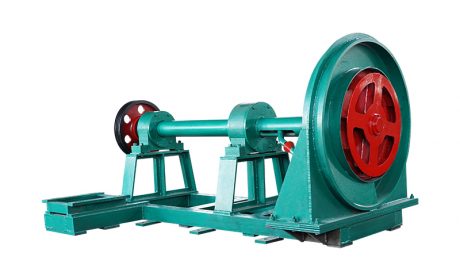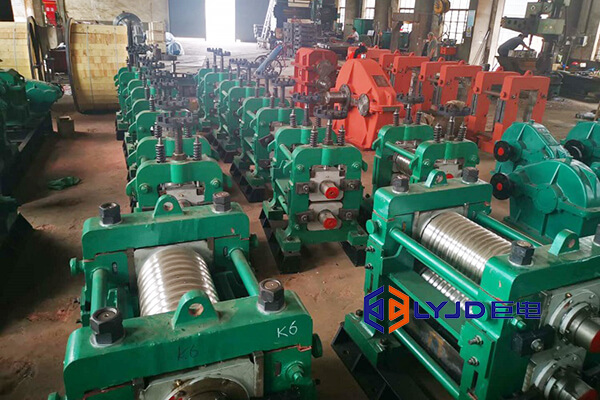
Roll forming process involves converting sheet metal into engineered shapes using consecutive sets of mated rolls. This method dates back to ancient times, evolving significantly during the Industrial Revolution. The transition from manual to automated processes marked a major milestone, boosting productivity and design possibilities. Modern roll forming plays a crucial role in manufacturing, especially in producing automotive parts and construction materials. The global market for roll forming machines continues to grow, driven by advancements in machinery, materials, and digitalization.
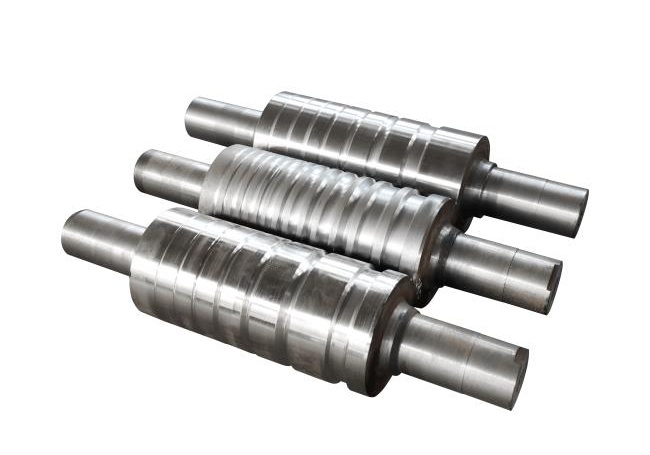
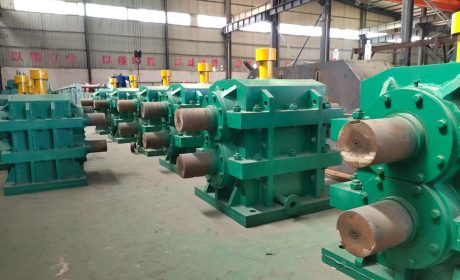
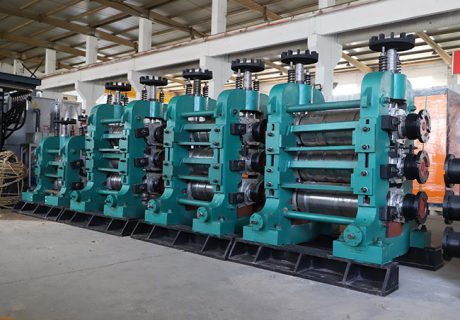
A Roll forming process machine consists of several key components. The primary elements include:
Each component plays a crucial role in ensuring precision and efficiency during the roll forming process.
The functionality of a roll forming machine revolves around its ability to shape metal continuously. The uncoiler feeds a strip of metal into the roll stands. Each pair of rolls makes incremental changes to the metal's shape. This progressive shaping continues until achieving the desired profile.
The control system monitors parameters such as speed, pressure, and alignment. Adjustments ensure consistent quality throughout production. Operators must understand these settings to maintain optimal performance.
The Roll forming process involves several steps:
This sequence transforms flat metal into complex profiles efficiently.
Several key parameters influence the success of a roll forming operation:
Operators must carefully set these parameters based on material properties and desired outcomes. Proper adjustments reduce defects and enhance product quality.
Roll forming employs a variety of metals, each chosen for specific properties and applications. Commonly used metals include:
Each metal reacts differently under the stresses of roll forming, necessitating tailored approaches to achieve optimal results.
Understanding material properties ensures successful roll forming operations:
Manufacturers must consider these properties when selecting materials for specific applications, ensuring performance meets design requirements.
Proper pre-treatment processes enhance the quality of roll formed products:
These steps ensure that materials enter the roll forming process in optimal condition, reducing potential issues during production.
Effective handling and storage practices maintain material integrity:
Maintaining proper handling and storage protocols preserves material quality from receipt through production, contributing to consistent product outcomes.
The Roll forming process excels in high-volume production. Manufacturers can produce long lengths of metal components continuously. This method ensures rapid output, making it ideal for industries requiring large quantities. The continuous nature of the process minimizes downtime between operations.
The Roll forming process significantly reduces material waste. Each set of rolls shapes the metal incrementally, ensuring precise usage of raw materials. Unlike stamping or extrusion, roll forming uses almost all the input material, leading to cost savings. Efficient material utilization aligns with sustainable manufacturing practices.
The Roll forming process allows for the creation of complex cross-sections. Multiple stages enable intricate designs that other methods cannot achieve easily. This versatility makes roll forming suitable for producing custom profiles tailored to specific applications.
Consistency defines the Roll forming process. The progressive shaping through consecutive rolls ensures uniformity across all produced parts. The control system maintains parameters like speed and alignment, guaranteeing consistent quality throughout production runs.
The Roll forming process plays a pivotal role in the automotive industry. Manufacturers utilize roll forming to create structural components such as chassis, frames, and beams. These parts require high strength and precision. Roll forming ensures consistent quality and dimensional accuracy, which are critical for vehicle safety and performance.
Automotive manufacturers also use roll forming for decorative trims. These include window sills, door edges, and other aesthetic elements. The Roll forming process allows for intricate designs with smooth finishes. This capability enhances the visual appeal of vehicles while maintaining durability.
In the construction sector, roll forming produces building panels used in walls, ceilings, and floors. The Roll forming process enables the creation of long, continuous panels with uniform profiles. This method increases installation efficiency and reduces material waste.
Roofing and siding materials benefit from roll forming due to its ability to produce complex cross-sections. Metal roofing sheets and siding panels require precise shaping to ensure proper fitment and weather resistance. Roll forming delivers these attributes consistently.
The furniture industry leverages roll forming for creating metal frames and supports. The Roll forming process allows manufacturers to produce lightweight yet strong components that enhance furniture durability without compromising design flexibility.
Appliance manufacturers use roll formed parts for various applications including refrigerator doors, oven racks, and washing machine drums. The Roll forming process provides high-volume production capabilities with minimal material waste. This efficiency aligns with the cost-effective manufacturing goals of appliance producers.
The Roll forming process transforms sheet metal into engineered shapes using consecutive sets of mated rolls. This method ensures high production rates, reduced material waste, and consistent quality. Future trends in roll forming include advanced automation, high-performance materials, and data-driven optimization. These innovations will drive productivity and efficiency to new heights.
Technological advancements in roll forming machines continue to fuel market expansion. Increased automation and improved material handling enhance the capabilities of modern machinery. The integration of eco-friendly manufacturing practices aligns with sustainable goals.
The significance of the Roll forming process in manufacturing cannot be overstated. Its versatility, precision, and efficiency make it indispensable across various industries.
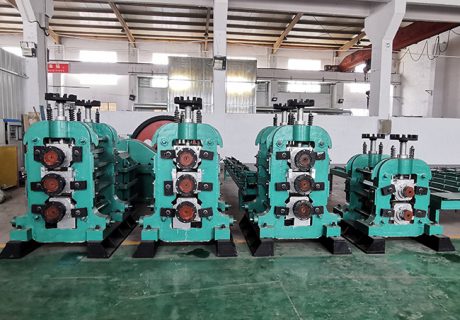
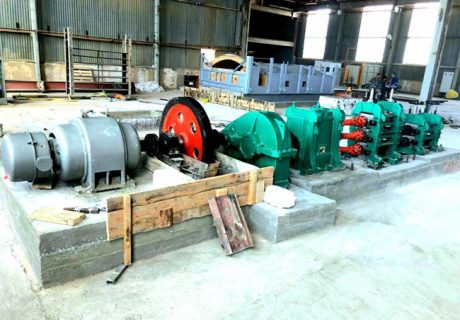
Please send us your request and we reply to you with in 24 hours.



Submit Request