1

Rebar Production Line Cost: 2026 Investment & ROI Analysis

Rebar Production Line Cost: A Comprehensive Strategic Investment Guide

Understanding the rebar production line cost is the first step for any industrialist looking to enter the steel manufacturing sector. The total investment is divided into two primary categories: Capital Expenditure (CapEx), which covers the machinery and infrastructure, and Operational Expenditure (OpEx), which covers the day-to-day running costs.

In the 2026 market, a modern, automated rebar production line can range from $500,000 for a small-scale micro-mill to over $10 million for a high-speed, large-capacity industrial plant. The profitability of this investment depends on the "spread"—the margin between the cost of steel billets and the market price of finished rebar.

1. Capital Expenditure (CapEx): Machinery and Setup

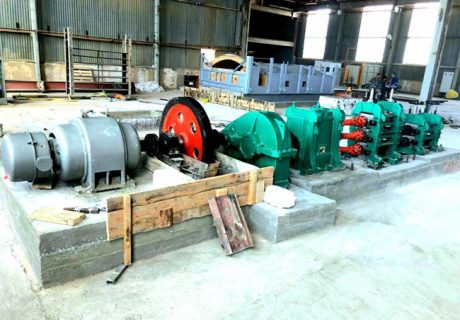
The initial rebar production line cost is determined by the configuration of the machinery. A standard turnkey line includes several critical sub-systems:

  • Reheating Furnace: Depending on whether you choose gas-fired or induction heating, this can account for 15-20% of the total machinery cost.
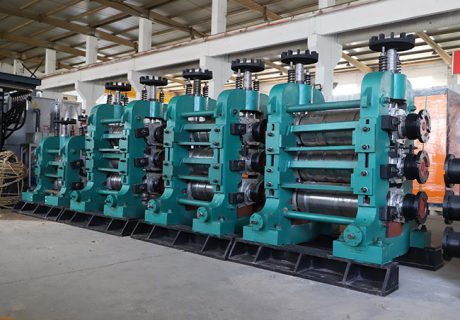
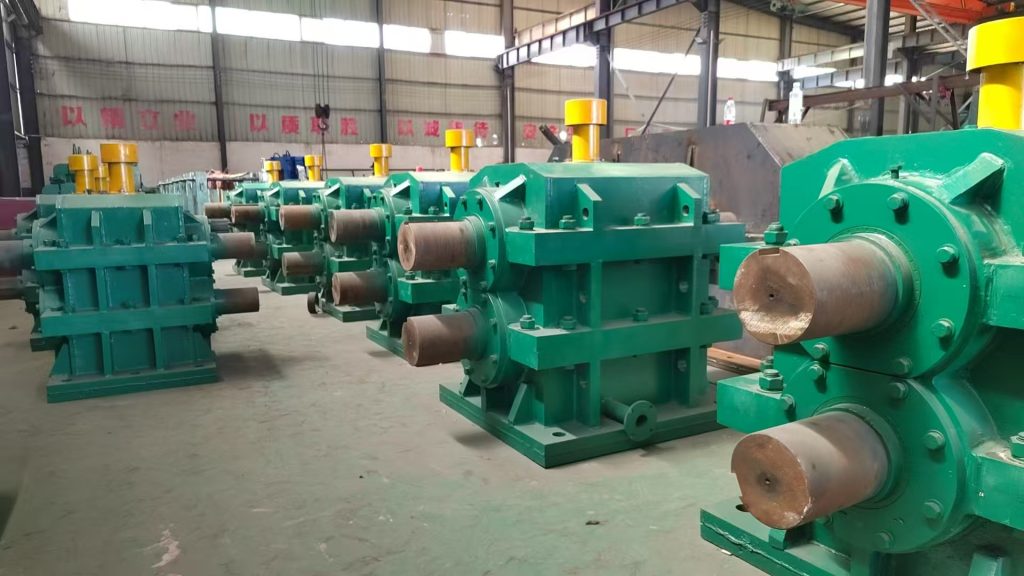
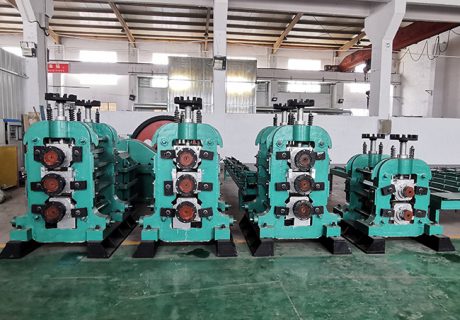
  • Rolling Mill Stands: The number of stands (roughing, intermediate, and finishing) directly impacts the price. More stands allow for higher precision and a wider range of rebar diameters.
  • TMT Quenching System: Essential for producing high-strength bars (Grade 500/600) without expensive alloys.
  • Cooling Bed & Bundling System: Automated walking-beam cooling beds and automatic tying machines can reduce labor costs by up to 40%.
  • Infrastructure: A typical mill requires a factory floor length of 150 to 250 meters.

2. Operational Expenditure (OpEx): Running the Mill

While CapEx is a one-time hit, OpEx determines your long-term survival. The primary drivers of operational rebar production line cost include:

Raw Materials (The Largest Cost)

Steel billets typically account for 70-80% of total production costs. Efficient mills focus on minimizing "scale loss" (metal lost to oxidation), which usually ranges between 1% and 1.5%.

Energy Consumption

Heating and rolling are energy-intensive. Utilizing regenerative furnaces can reduce gas consumption by approximately 15%. In regions with high electricity costs, the efficiency of the main induction motors becomes a critical factor in the cost-per-ton.

Consumables and Maintenance

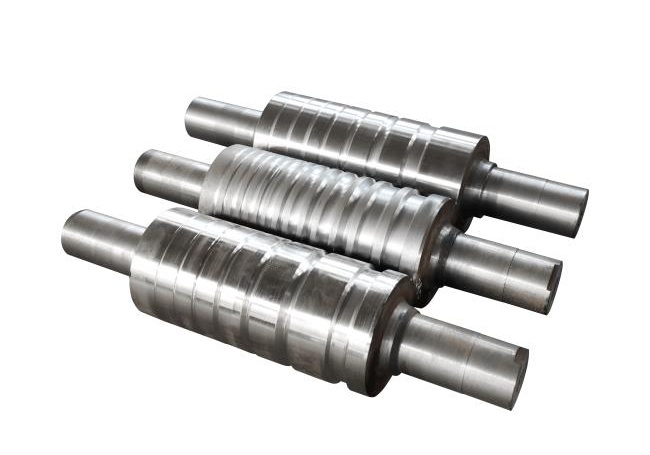
  • Rolls: Tungsten carbide or high-chromium rolls are wear parts that must be re-grooved or replaced regularly.
  • Guides and Bearings: High-speed rolling puts extreme stress on these components, requiring a consistent budget for spares.

3. Key Factors Influencing Total Cost

FactorImpact on CostStrategic Benefit
Capacity (TPH)HighLower cost-per-ton at higher volumes.
Automation LevelHigh Initial / Low Long-termReduces human error and labor costs by 40%.
TMT TechnologyModerateAllows for higher-priced, high-strength products.
Energy SourceVariableGas vs. Electric depends on local utility rates.

4. ROI Analysis: Calculating Your Payback Period

To determine if the rebar production line cost is justified, manufacturers look at the value-add. On average, the value added by rolling a billet into rebar is between $80 and $150 per ton.

Example Calculation:
  • Annual Production: 180,000 tons.
  • Profit Margin (Spread): $100 per ton.
  • Annual Gross Profit: $18 Million.
  • Typical Payback Period: For a well-managed automated mill, the payback period is often less than 3.5 years.

5. Strategic Advice for Cost Optimization

  1. Invest in Automation Early: While it increases the initial rebar production line cost, the reduction in labor and rejection rates (often dropping from 12% to 2% in modernized plants) is massive.
  2. Focus on Yield: A 1% increase in metal recovery can save hundreds of thousands of dollars annually on raw materials.
  3. Localize Maintenance: Sourcing a mill with locally available spare parts (bearings, seals) prevents expensive downtime.

Related Products

View More

Please Leave a Message

Please send us your request and we reply to you with in 24 hours.

Whatsapp

008617538889778

Email

[email protected]

Phone

86-379-65188091

Inquiry

Top

Submit Request