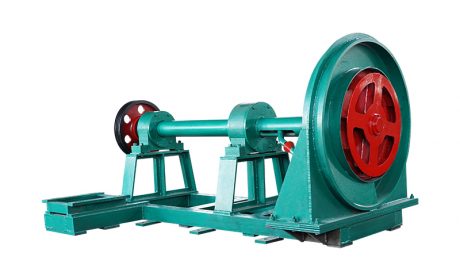
The hot rolling machine plays a vital role in the metal forming industry, transforming heated metal billets or slabs into desired shapes such as sheets, strips, rods, or structural profiles. Whether you're working with steel, aluminum, or copper, hot rolling technology ensures consistency, improved mechanical properties, and precise dimensional control.
In this article, well explore the functions, types, applications, pricing, and how to choose the right hot rolling machine for your production needs. If youre looking for reliable hot rolling machines for sale, this guide is your starting point.
A hot rolling machine (also known as a hot rolling mill) is an industrial machine used to roll heated metal above its recrystallization temperature, typically around 1100–1300°C for steel. This process reduces the metals thickness and reshapes it for further processing or enduse.
Hot rolling is commonly used to produce:
Steel and aluminum sheets and coils
Rebar and structural beams
Copper and brass strips
Flat or round rods and bars
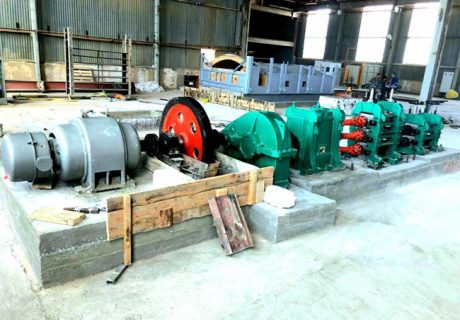
A standard hot rolling machine or mill includes the following core components:
Furnace: Preheats billets or slabs to optimal rolling temperatures
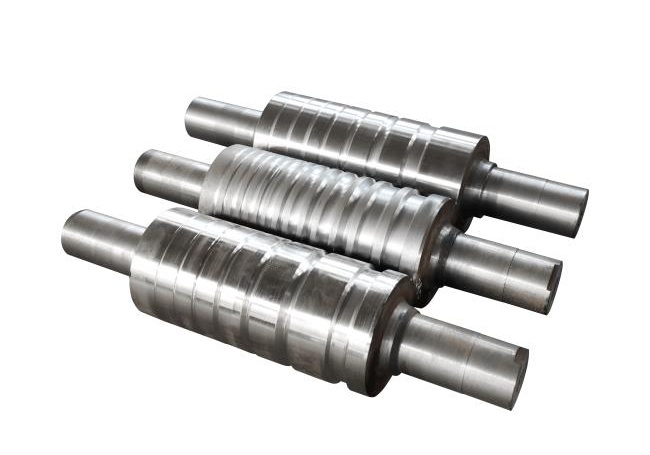
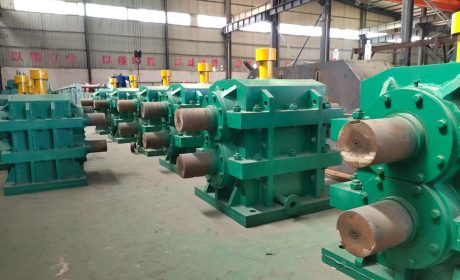
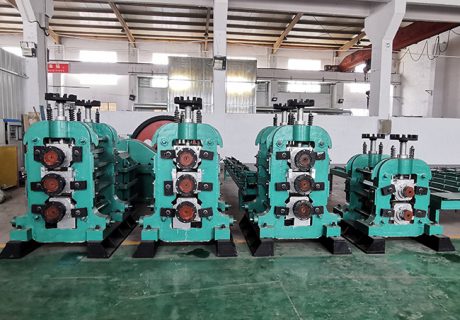
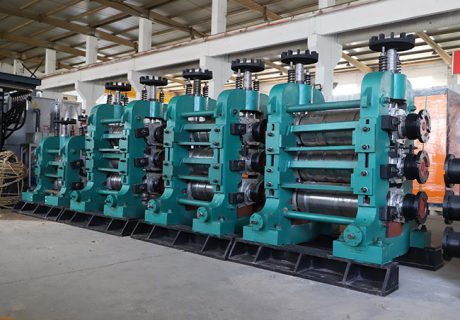
Roll Stands: A series of highpressure rollers that reduce thickness and shape the metal
Descaling System: Removes surface scale for a cleaner product finish
Cooling Section: Cools down the rolled material to ambient temperature
Coiling or Cutting System: Coils or cuts the final product for storage or shipment
Automation Panel: Controls rolling speed, temperature, and thickness tolerance
There are various hot rolling machines depending on the material, size, and production volume:
Investing in a hot rolling machine brings several operational and product quality benefits:
✅ Improved Metallurgical Properties – Grain structure is refined, enhancing strength and ductility
✅ CostEffective Production – Suitable for highvolume manufacturing
✅ High Surface Quality – With descaling and finishing systems
✅ Versatility – Works with a range of metals including steel, aluminum, copper, and alloys
✅ Automation Integration – Modern machines support digital control for better efficiency
Hot rolling machines are used in a wide variety of industries:
Steel Plants: Rebar, sheet coils, Hbeams
Aluminum Factories: Foil stock, strip rolls
Copper & Brass Mills: Electrical strip, connectors
Automotive: Chassis parts, body panels
Construction & Infrastructure: Ibeams, angle bars, structural steel
Please send us your request and we reply to you with in 24 hours.



Submit Request