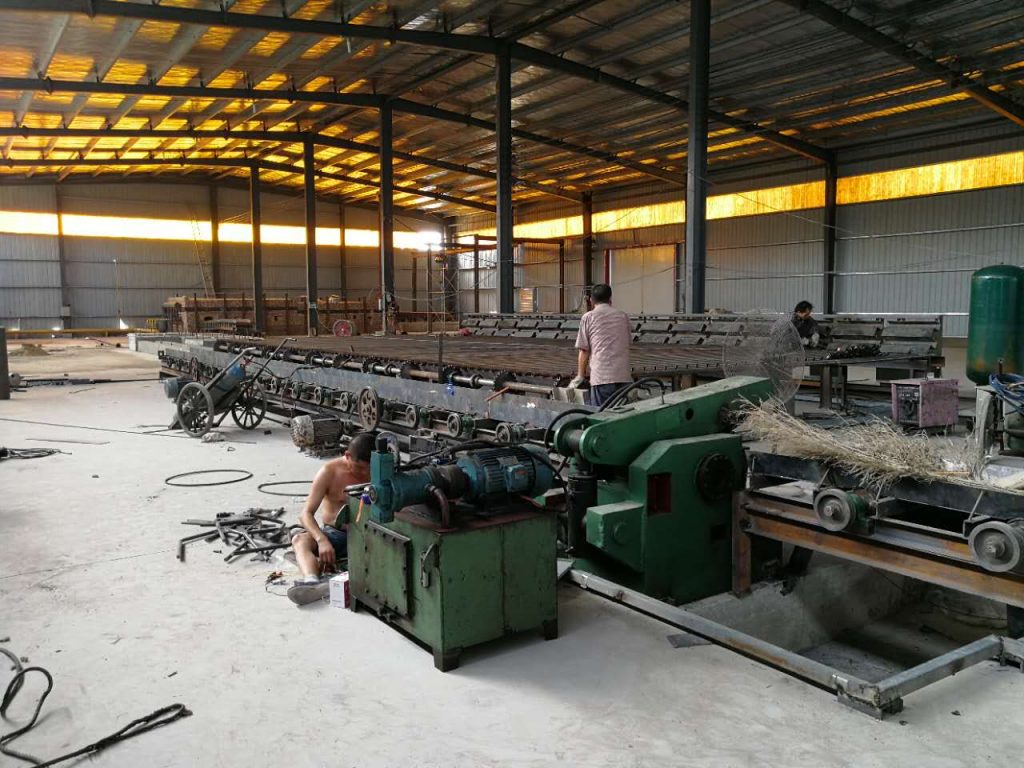
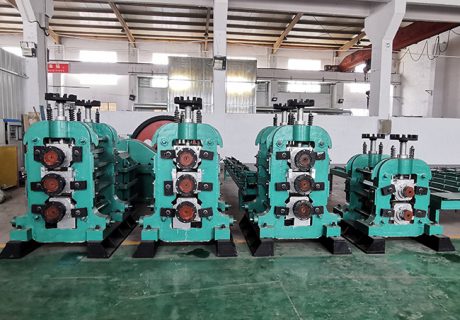
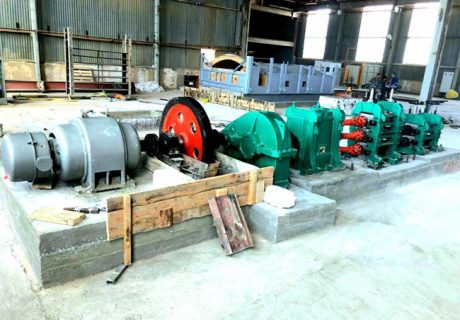
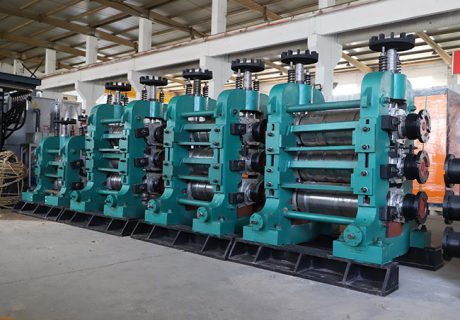
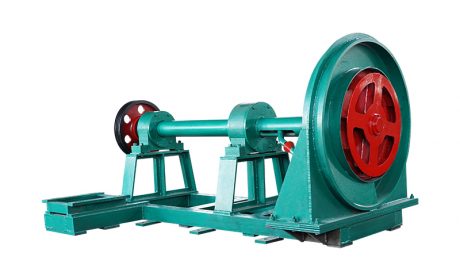
Billet casting is the process of transforming molten steel into billets of a specific shape tandem rolling mill process.
I. Main methods
Continuous casting:
This is the most commonly used billet casting method. As mentioned earlier, the continuous casting machine is used to continuously cast molten steel into billets, which has the advantages of high efficiency and stable quality.
The workflow includes injecting molten steel into the tundish, forming in the crystallizer, straightening and cutting.
Mold casting:
Once widely used, it is gradually replaced by continuous casting.
Molten steel is injected into the ingot mold, and the ingot is removed from the mold after the molten steel solidifies, and then rolled into billets through the primary rolling mill. This method has relatively low production efficiency, high cost, and the uniformity of billet quality is worse than that of continuous casting.
II. Factors affecting the quality of billet casting
Molten steel quality: The impurity content and temperature in the molten steel have an important influence on the quality of the billet. Excessive impurity content may cause defects in the billet, and inappropriate temperature may affect the solidification process and internal structure.
Casting process parameters:
Drawing speed: Too fast drawing speed may cause defects such as looseness and cracks inside the billet; too slow drawing speed will reduce production efficiency.
Cooling intensity: Moderate cooling intensity can make the billet obtain good internal structure and surface quality. Too strong cooling may cause cracks, and too weak cooling will affect the solidification speed and quality of the billet.
Equipment condition: The condition of equipment such as continuous casting machine or ingot mold directly affects the quality of the billet. The accuracy, stability and maintenance of the equipment are very important.
Importance of billet casting
Provide a basis for subsequent processing: Billet is an intermediate product in steel production, and its quality directly affects the efficiency and product quality of subsequent rolling, forging and other processing procedures.
Meet the needs of different industries: By casting billets of different shapes and specifications, the demand for steel in different industries such as construction, machinery, and automobiles can be met.