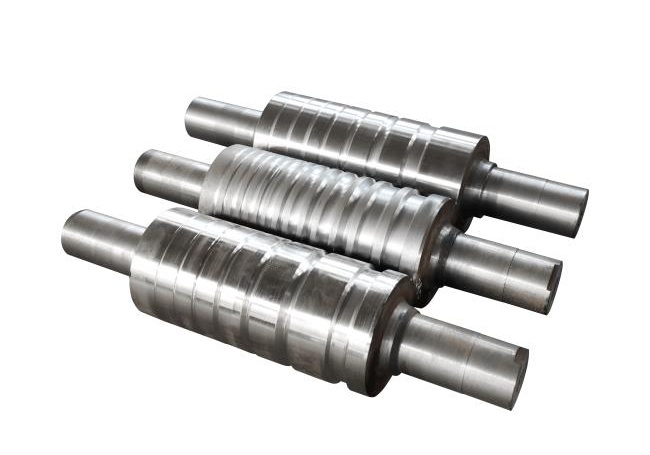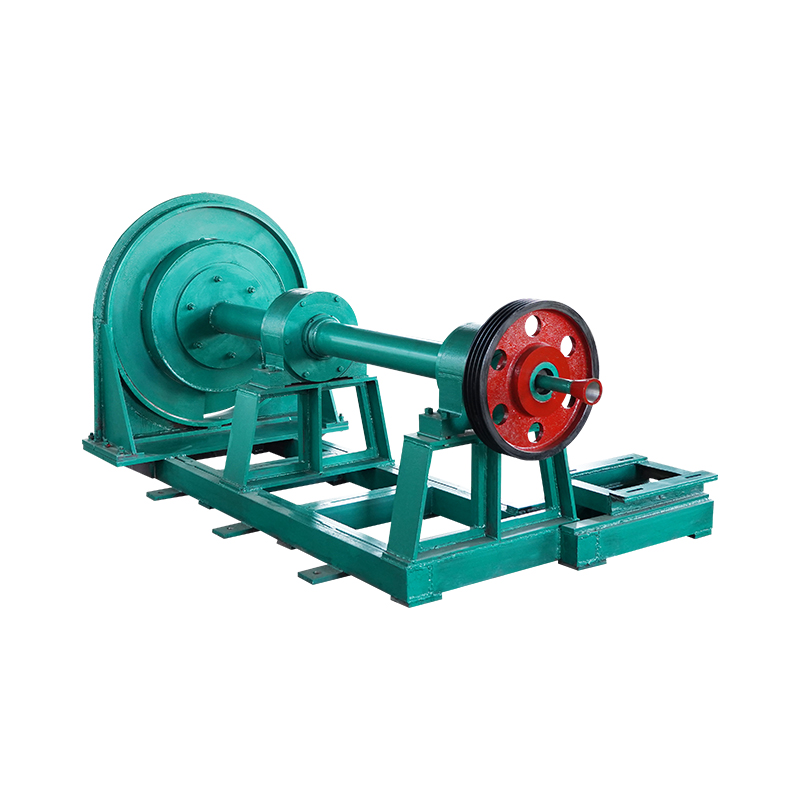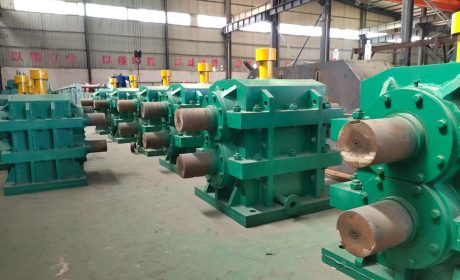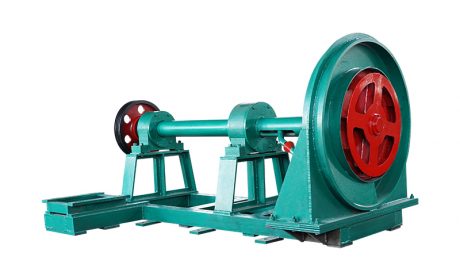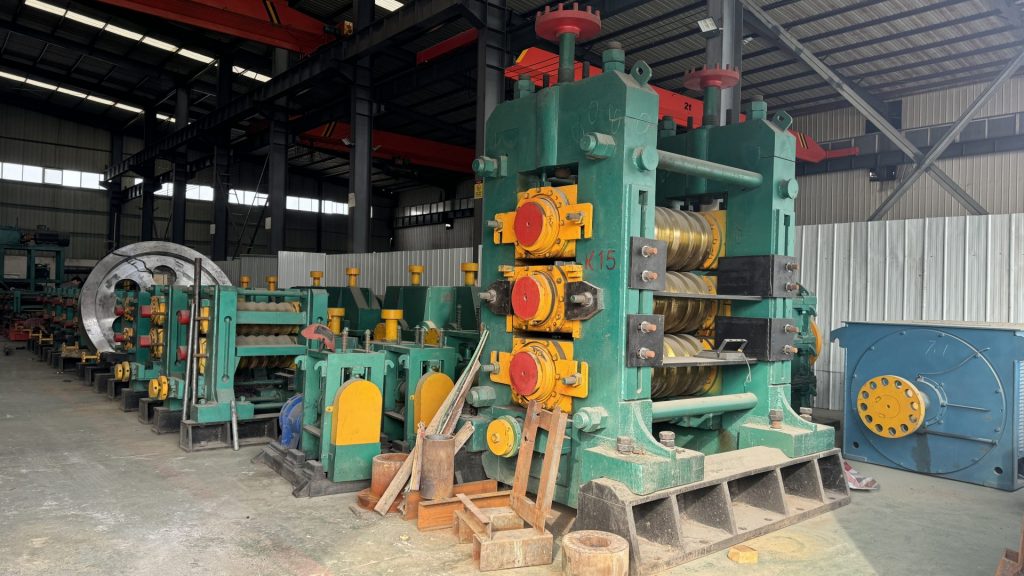
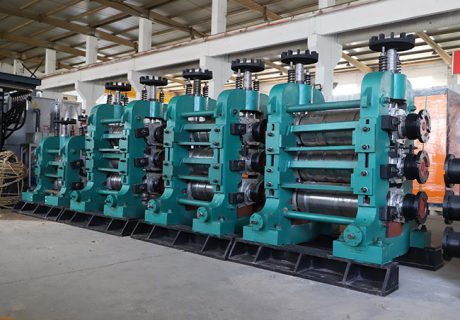
In today's metal processing industry, rolling mills play a vital role as core equipment. Whether it is the steel industry or the processing of non-ferrous metals, alloys and non-metallic materials, rolling mills provide a solid foundation for the production of various metal products with their efficient, precise and reliable performance. This article will introduce a high-quality rolling mill in detail to help you take a leading position in the metal processing market aluminum foil mill.
Nonferrous metal and alloy processing
In nonferrous metal and alloy processing, rolling mills also play an important role. It can roll various nonferrous metals and alloy materials, such as aluminum, copper, zinc, etc. These materials are widely used in aviation, aerospace, electronics and other fields. Through the rolling of rolling mills, high-precision and high-quality metal products can be obtained to meet the requirements of material performance and precision in these fields.
Non-metallic material processing
In addition, rolling mills can also be used in the processing of non-metallic materials. For example, it can roll materials such as rubber and plastic to obtain products of the required shape and size. These products are widely used in machinery, chemical industry and other fields.
IV. Product advantages
Improve production efficiency
The use of continuous rolling and high-speed rolling technology can significantly improve production efficiency, shorten production cycle and reduce production costs.
Improve product quality
Through precise roller adjustment and control, high-precision rolling can be achieved to ensure that the size and shape of metal products meet the design requirements, improve product quality and market competitiveness.
Reduce energy consumption and emissions
The use of advanced energy-saving technologies and environmental protection measures can reduce energy consumption and emissions, reduce the impact on the environment, and achieve sustainable development.
Enhance user trust
The equipment is equipped with multiple protection mechanisms and intelligent monitoring systems to ensure the safe operation of the equipment during the rolling process, reduce the failure rate and maintenance costs, and enhance the user's trust and satisfaction with the equipment.
V. Product Cases
The following is an application case of a rolling mill in the steel industry:
A steel company uses a rolling mill to produce steel plates. Through precise roller adjustment and control, the company successfully rolls metal billets into steel plates of different thicknesses and widths, meeting the needs of construction, machinery, and automobiles. At the same time, the equipment also supports continuous rolling and high-speed rolling functions, greatly improving production efficiency and quality levels.
During the rolling process, the company uses an advanced intelligent monitoring system to monitor the operating status and key parameters of the equipment in real time, and promptly discovers and handles potential faults. In addition, the company also regularly maintains and maintains the equipment to ensure the long-term and stable operation of the equipment.
By using a rolling mill to produce steel plates, the company not only improves production efficiency and quality levels, but also reduces energy consumption and emissions, and achieves sustainable development. The equipment has become one of the important tools in the company's steel production field.
VI. Conclusion
As the core equipment in the metal processing industry, the rolling mill provides a solid foundation for the production of various metal products with its efficient, precise and reliable performance. This rolling mill plays an important role in the steel industry, non-ferrous metal and alloy processing, and non-metallic material processing with its excellent performance and advantages. We firmly believe that in the future development, the rolling mill will continue to play an important role and contribute more to the development of the metal processing industry.
Welcome users to call us or visit our official website for more product details. We will wholeheartedly provide you with high-quality products and services, and look forward to working with you to create a better future!
Please send us your request and we reply to you with in 24 hours.



Submit Request