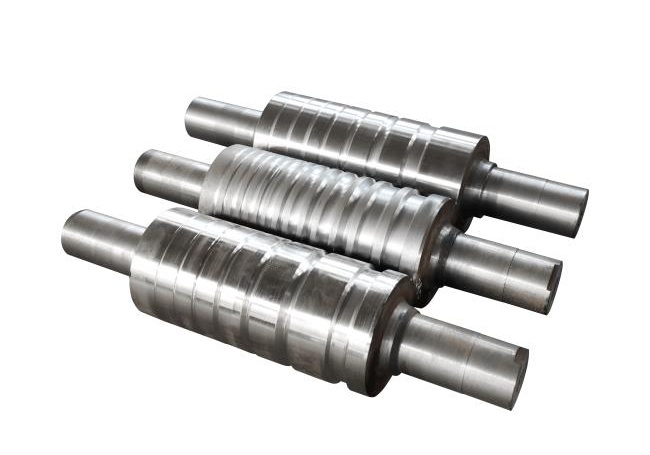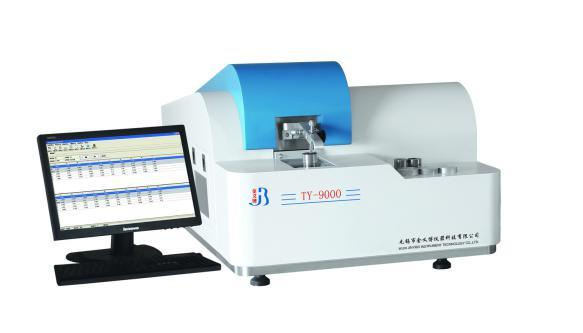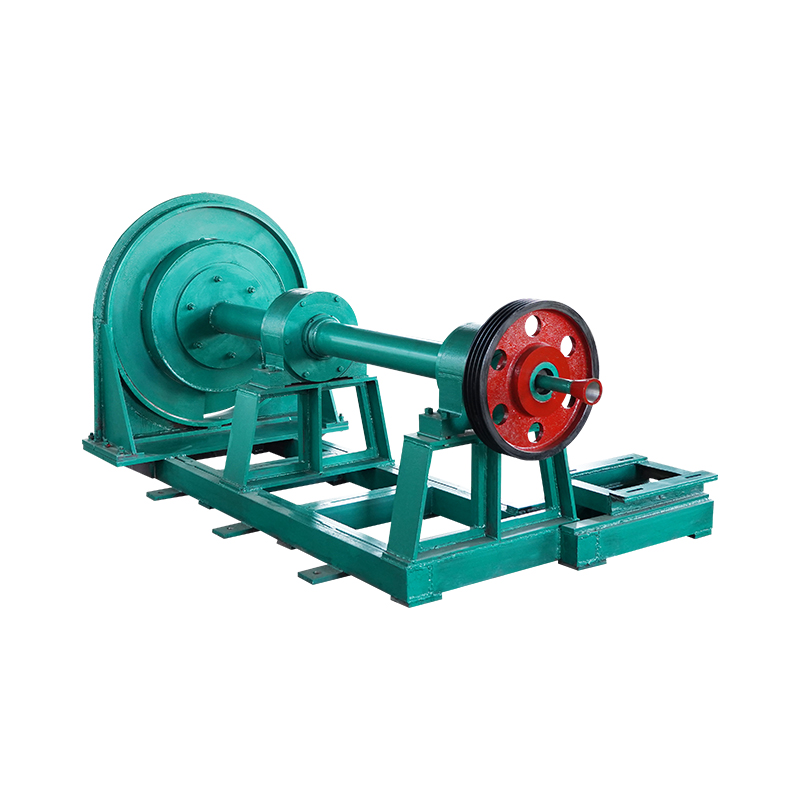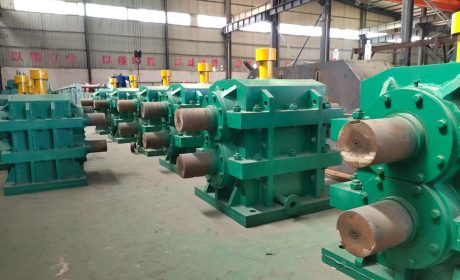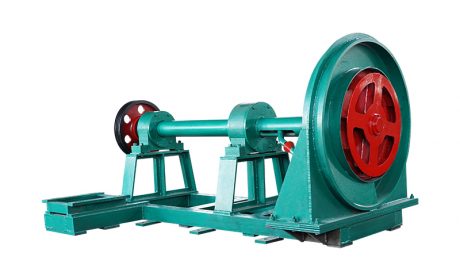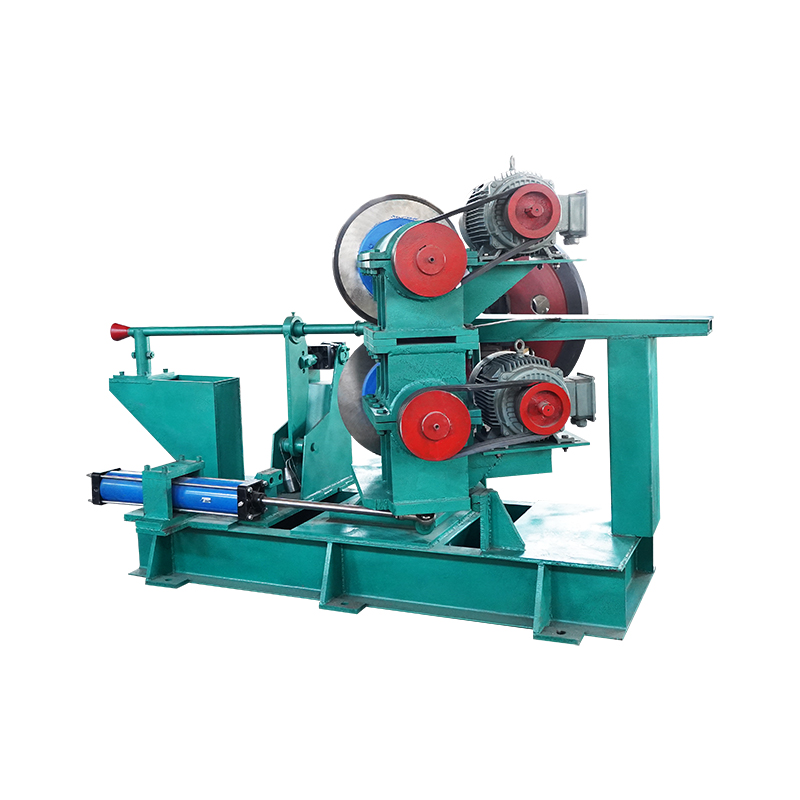
Rod rolling is a specialized metal forming process where metal billets are passed through a series of synchronized rotating rolls to progressively reduce their cross-sectional area and transform them into continuous rods or wire coils. This thermal-mechanical process utilizes precise tension control and metallurgical cooling curves to achieve specific mechanical properties, such as high tensile strength and uniform grain structure. For steel mill General Managers and Technical Directors, rod rolling is the critical transition point where raw billet quality is converted into high-value, marketable industrial inventory.
In modern metallurgy, the purchase price of a rod rolling line represents only a fraction of its 10-year Total Cost of Ownership (TCO). High-tier engineering focuses on reducing "invisible leaks"—energy dissipation, unplanned downtime, and material yield loss—which can cost a facility millions in lost EBITDA.
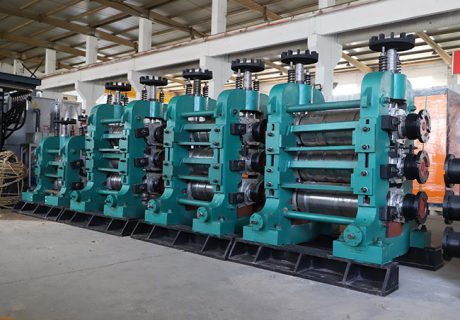
Strategic investment in high-stability rolling stands ensures a faster investment payback period. By maintaining a constant rolling speed and reducing "cobbles" (process failures), factories can achieve a 15–20% increase in annual throughput without increasing labor costs.
| Performance Metric | Standard Rolling Line | Engineered High-Performance System | 10-Year Financial Impact |
| Energy Consumption | $100\%$ Baseline | $82\% - 85\%$ (Regenerative Drives) | $>\$1.2M$ Savings |
| Material Yield Rate | $94\% - 96\%$ | $98.5\% +$ | Over $800$ Tons Recovered/Year |
| Maintenance Interval | $4,500$ Hours | $12,000+$ Hours | $65\%$ Lower Labor Cost |
| Unplanned Downtime | $4\% - 6\%$ | $<0.5\%$ | Maximized Market Agility |
Energy is the largest recurring OpEx in rod rolling operations. Traditional lines waste significant power through friction and inefficient motor cooling. Our systems utilize AC Variable Frequency Drives (VFD) and high-torque motors that optimize power consumption based on the specific grade of steel being processed.
By integrating automated loop control and precision tensioning, the system eliminates unnecessary resistance during the reduction stages. This leads to a measurable reduction in kWh per ton. For a facility producing 200,000 tons annually, a 15% energy reduction directly translates to a significant boost in the bottom line.
A primary concern for Technical Directors is "Dimensional Drift"—where rod diameter fluctuates due to thermal expansion of the rolls or mechanical vibration. Inconsistent output leads to rejected batches and strained client relationships.
In a continuous rod rolling environment, a single bearing failure or PLC glitch can halt the entire production chain. Plant Managers often struggle with "service vacuums" when importing equipment. We address this through Industrial Redundancy Engineering.
Importing a rod rolling line requires more than a transaction; it requires an engineering partner with proven export capability. We bridge the distance gap through a comprehensive overseas support framework.
We recognize the valid concerns of Engineering Managers regarding "fake technical parameters" or "under-performance." Our process is built on transparency:
A: This is a common industry fail. We calculate our rolling speeds with a 15% safety buffer. If we specify a 90m/s finishing speed, our hardware is engineered to handle 105m/s. This ensures that even under heavy load or varied alloy grades, your actual production targets are consistently met.
A: Depending on local energy costs and current scrap rates, most high-efficiency rod rolling upgrades achieve full capital recovery within 18 to 28 months. This is driven by 2% yield recovery and 15% energy savings.
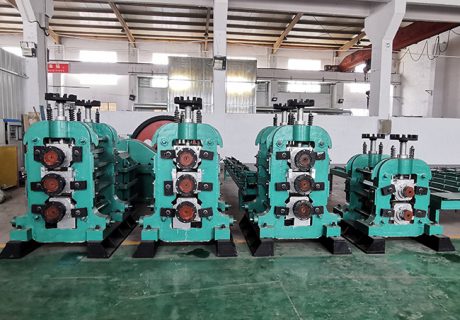
A: We utilize "Cartridge-Type" designs. Entire roll assemblies can be swapped out in under 30 minutes, allowing maintenance to happen offline while the mill continues to run. This maximizes your "Power-On" hours.
A: We provide a 24/7 technical hotline. For hardware issues, our spare parts logistics utilize express air freight. Furthermore, our remote diagnostic capabilities allow us to resolve over 85% of operational glitches without a site visit.
Selecting a rod rolling partner is a decision that dictates your plant's profitability for the next two decades. At Funlife (Zhejiang) New Material Co., Ltd., we offer 20+ years of industrial experience and a 15-year export pedigree. We don't just provide machinery; we provide a high-stability, value-driven engineering solution that minimizes risk and maximizes your long-term ROI.
Please send us your request and we reply to you with in 24 hours.



Submit Request