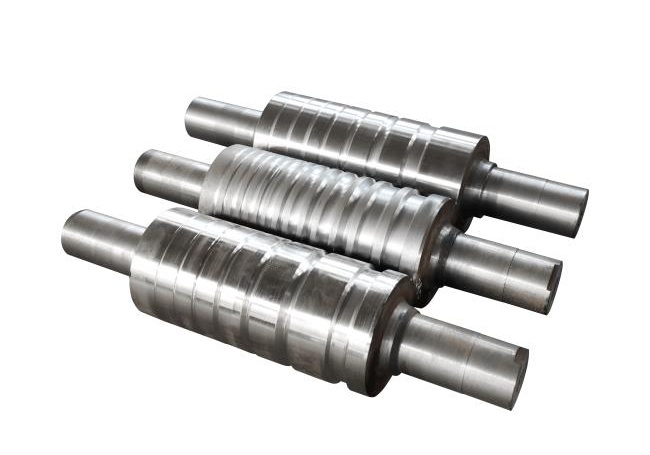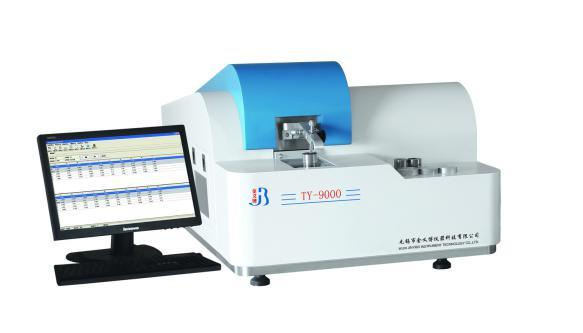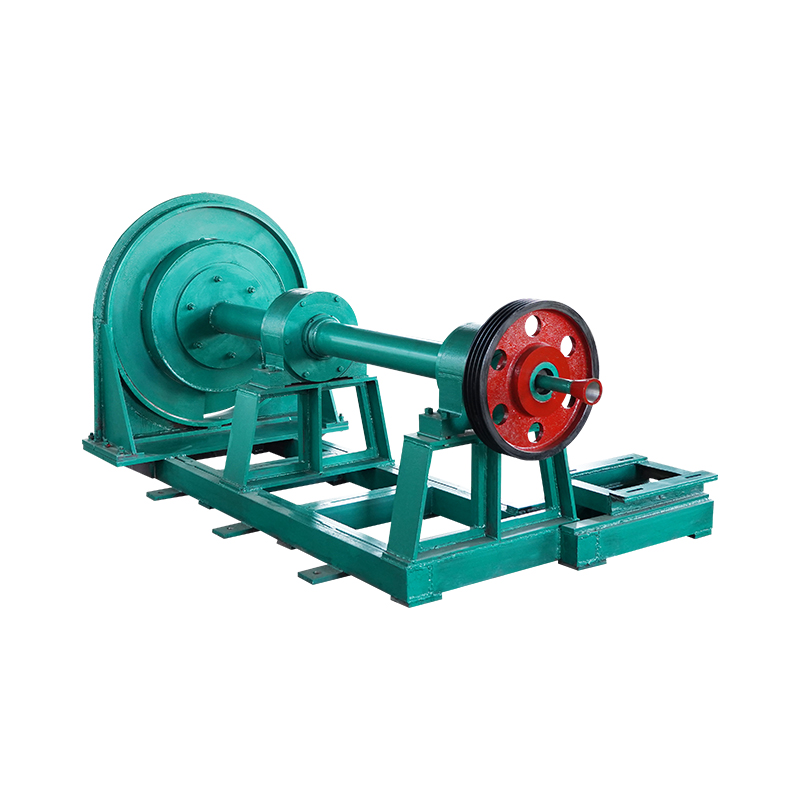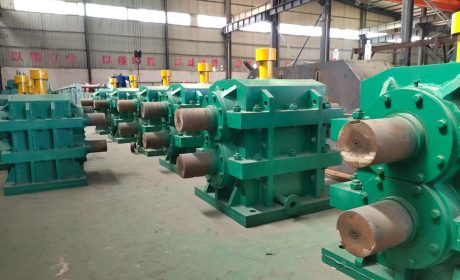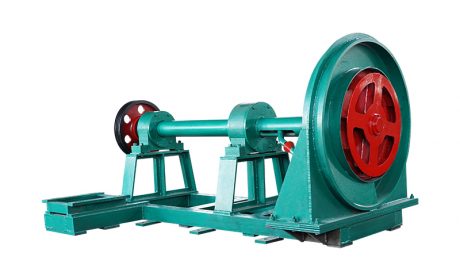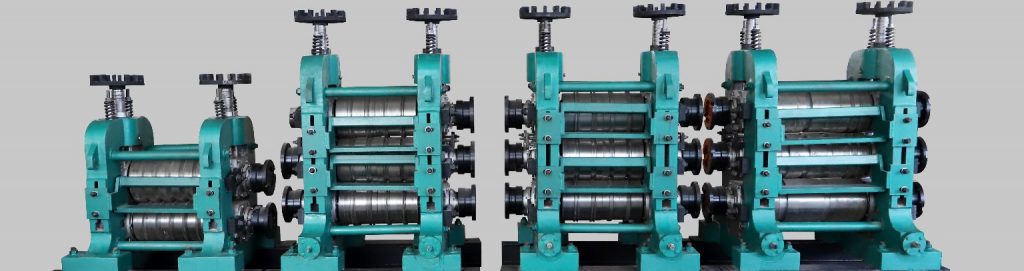
A hot rolling mill machine is a complete integrated system of reheating furnaces, roughing stands, finishing stands, cooling sections, and coiling equipment that reduces the thickness of hot steel slabs or billets into coils, sheets, plates, or structural sections at temperatures between 900–1,250 °C. These lines form the critical link between steelmaking and finished product in integrated and mini-mill operations. The global hot rolling mill market was valued at approximately USD 22 billion in 2025 and is projected to reach USD 36–38 billion by 2033 at a CAGR of 5.5–5.8 %, driven by demand for higher throughput, tighter tolerances, and lower energy intensity.
Factory owners, steel plant general managers, technical directors, and engineering managers invest in hot rolling mill machines when capital expenditure must translate into stable output, controlled costs, and minimal risk over a 15–20 year asset life. With more than 15 years of industrial equipment export experience serving steel plants worldwide, we deliver hot rolling mill solutions that directly resolve the exact issues you face: high investment with unstable production, frequent breakdowns causing major losses, overstated technical claims, actual throughput below quoted figures, delayed overseas service, long repair cycles, hard-to-source spares, financing risks, and operating costs that remain difficult to control.
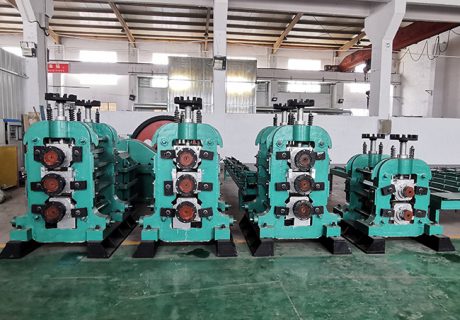
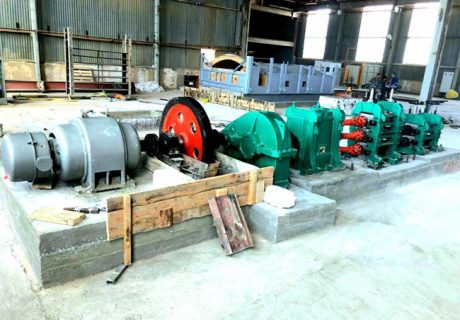
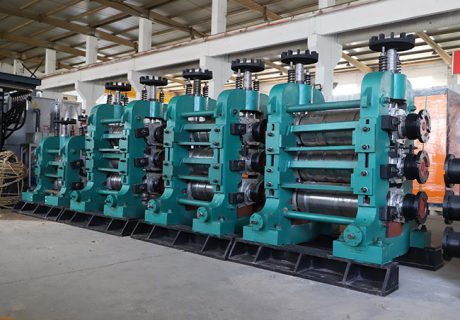
Modern hot rolling mill machines combine heavy-duty rolling stands with automated gauge control, profile measurement, and high-speed shears. Typical capacities range from 0.5 to 6 million tons per year for strip mills and 0.3 to 1.5 million tons for plate or long-product lines. The process starts with slab reheating, followed by multi-pass reduction that refines grain structure and improves mechanical properties.
Steel leaders select these machines when production stability and output consistency determine downstream competitiveness in automotive, construction, and infrastructure markets.
Energy typically accounts for 20–30 % of rolling costs. Our hot rolling mill machines achieve 15–25 % lower specific energy use through regenerative drives on main motors, variable frequency controls, optimized roll-pass schedules, and advanced reheating furnace technology. Practical results show 80–110 kWh per ton rolled versus 120–150 kWh in older installations — a reduction that can deliver USD 1–3 million in annual electricity savings for a 2-million-ton-per-year line.
Automated thickness and flatness control plus real-time temperature monitoring shorten the production cycle while maintaining stable rolling conditions. The outcome is lower utility bills, reduced peak demand charges, and tighter control over monthly operating costs.
Each hour of unplanned stoppage in a hot rolling mill can cost USD 10,000–30,000 in lost output and schedule disruption. Our designs reach 96–98 % availability through robust stand frames, predictive vibration monitoring, quick-change roll systems, and integrated automation that flags anomalies before they escalate.
Predictive maintenance programs and modular component design allow opportunistic repairs during scheduled roll changes. Plants running our hot rolling mill machines routinely achieve 340–350 operating days per year with planned downtime measured in hours rather than days.
Inconsistent gauge, crown, or surface defects drive scrap rates and customer rejections. Our hot rolling mill machines maintain thickness tolerance within ±0.05 mm and flatness within tight I-units through hydraulic automatic gauge control (AGC), work-roll bending, and continuous profile measurement.
Electromagnetic stirring in upstream processes and precise cooling deliver uniform microstructure and mechanical properties. Operators report 97–98.5 % prime yield and fewer downstream processing adjustments — advantages that strengthen your position in quality-sensitive markets.
High initial investment pays off only when lifetime costs stay controlled. Our hot rolling mill solutions target three levers: energy savings, extended component life, and reduced maintenance labor. Most clients reach full payback in 3–5 years through combined electricity reductions, higher yield, and lower consumable costs.
Table: Performance Comparison – Traditional vs. Modern Hot Rolling Mill Machine
| Metric | Traditional Operation | Modern Optimized System | Direct Benefit to Plant Owner |
|---|---|---|---|
| Energy Consumption (kWh/t) | 120–150 | 80–110 | $1–3 M annual savings at 2 Mtpa scale |
| Availability | 90–93 % | 96–98 % | Reduced lost production hours |
| Prime Yield | 92–95 % | 97–98.5 % | Less scrap and material waste |
| Gauge Tolerance | ±0.15–0.20 mm | ±0.05 mm | Consistent downstream processing |
| Campaign Life Between Major Overhauls | 8–12 months | 18–24 months | Fewer shutdowns |
| Typical ROI Payback | 6–8 years | 3–5 years | Faster capital recovery |
These figures are drawn from operational data across exported installations and eliminate the risk of actual capacity falling short of expectations.
Maintenance complexity drops with fewer wear points and modular stand designs. Roll and bearing changes take 4–8 hours instead of days. Remote diagnostics and centralized lubrication systems let your engineering team monitor performance from anywhere.
We maintain strategic spare-parts inventory for critical items (rolls, bearings, hydraulic valves, sensors) with dedicated logistics channels. Regional service teams respond within 24–48 hours in key export markets. This directly addresses concerns about overseas service delays, long repair cycles, and difficult-to-source parts.
In a competitive hot rolling mill machine market growing at over 5 % CAGR, engineering depth and after-sales execution separate reliable partners from equipment vendors. Our in-house design team, modern manufacturing facilities, and 15+ years of export projects ensure every line meets international safety and environmental standards.
We understand financing risks and provide performance guarantees based on verified data from similar installations, not generic specifications. The focus remains on measurable outcomes: lower TCO, stable production, and consistent ROI. Steel plants we equip report higher uptime, reduced energy bills, and confidence that expert support is available throughout the equipment’s working life.
Q1: Will a high-investment hot rolling mill machine deliver stable output year after year? Yes. Automated gauge control, real-time monitoring, and precise temperature management keep thickness, flatness, and properties consistent. Systems routinely maintain >96 % availability and tight tolerances under designed parameters.
Q2: How do you prevent downtime losses that erode profitability? Through predictive sensors, quick-access modular design, and pre-staged spares. Most maintenance occurs during short planned windows, protecting your rolling schedule.
Q3: What protects against actual throughput falling short of quoted figures? Performance guarantees rest on verified data from exported lines. Independent acceptance tests and clear protocols safeguard your investment.
Q4: How reliable is overseas technical support and spare parts availability? We hold regional stock, maintain 24/7 hotlines, and partner with local service teams. First response targets hours, not weeks, with remote diagnostics accelerating resolution.
Q5: How quickly can a new hot rolling mill machine deliver ROI? Most plants see payback in 3–5 years via energy savings, higher yield, and reduced maintenance. Detailed TCO models are prepared during project evaluation.
Please send us your request and we reply to you with in 24 hours.



Submit Request