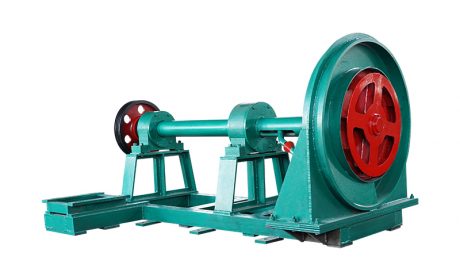
Hot rolling mills stand as colossal marvels of industrial engineering, transforming raw metal ingots, slabs, or blooms into the essential flat and long products that shape our world – from the steel beams in skyscrapers and automotive chassis to aluminum sheets for beverage cans and aircraft skin. This continuous high-temperature process is fundamental to mass-producing metals with the required dimensions, mechanical properties, and surface quality. Understanding the intricacies of a hot rolling mill is crucial for anyone involved in metal manufacturing, procurement, or engineering.
The Core ProcessHeat, Force, and Transformation
At its heart, hot rolling involves passing pre-heated metal through a series of rotating rolls under immense pressure. The key stages are:
ReheatingRaw material (ingots, slabs from continuous casting, or blooms) is heated to extremely high temperatures in a reheating furnace (typically 1100°C - 1300°C for steel, 370°C - 500°C for aluminum). This makes the metal malleable ("plastic") and drastically reduces the force required for deformation.
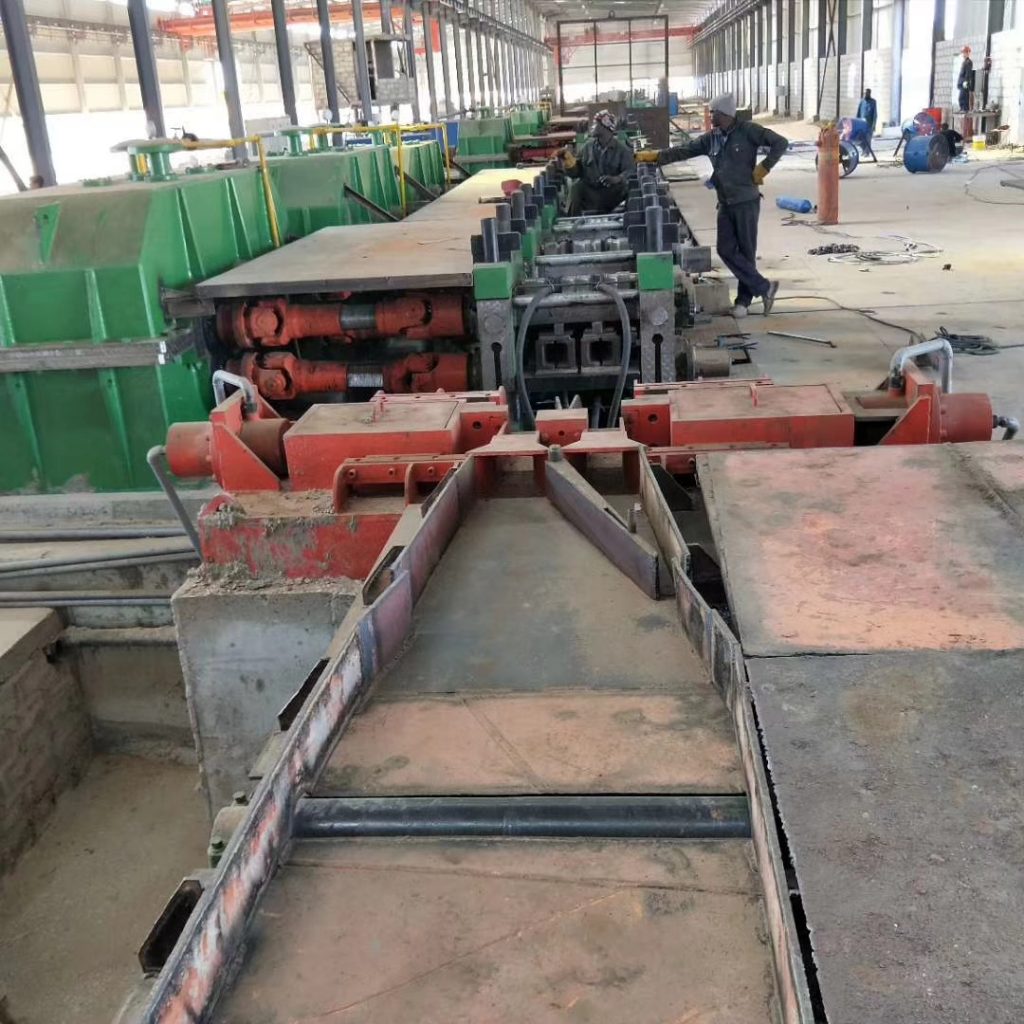
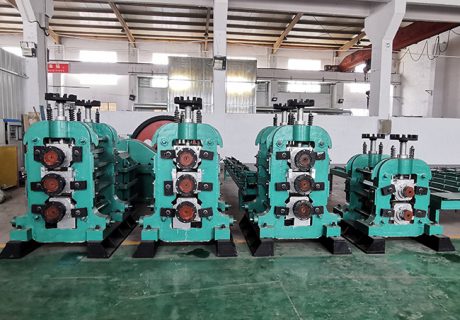
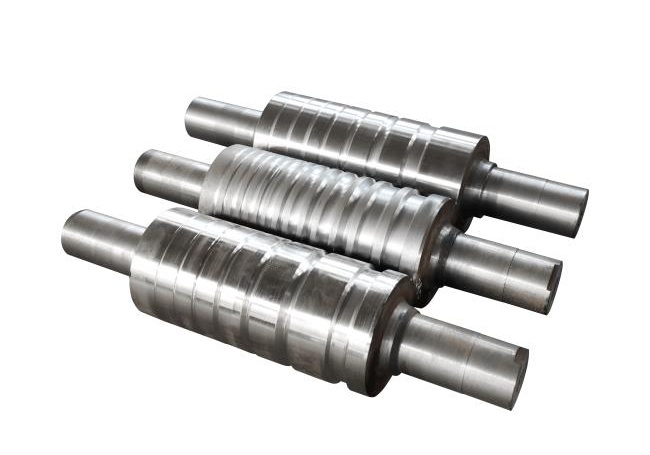
RollingThe red-hot metal is fed into the rolling mill stand(s). Each stand consists of two or more heavy, precisely engineered rolls that compress and elongate the metal, reducing its thickness (gauge) and altering its cross-section.
DescalingHigh-pressure water jets (descalers) blast away the oxide layer (scale) that forms during heating, ensuring a clean surface finish on the final product and protecting the rolls.
Shape Control & CoolingAfter the final pass, the metal travels down the runout table, where it may undergo controlled cooling (sometimes accelerated by water sprays) and potentially minor shape correction (e.g., via levelers or tension reels). Cooling rate significantly influences the final microstructure and properties.
Coiling or CuttingThe continuous strip (for sheet/plate) is wound into large coils by a downcoiler. Long products (like bars, rods, or rails) are cut to length by flying shears or saws.
Key Components of a Modern Hot Rolling Mill
A hot rolling mill is a complex integrated system. Major components include:
Reheating Furnace(Walking beam, pusher, or rotary hearth types) Ensures uniform, precise heating to the optimal rolling temperature.
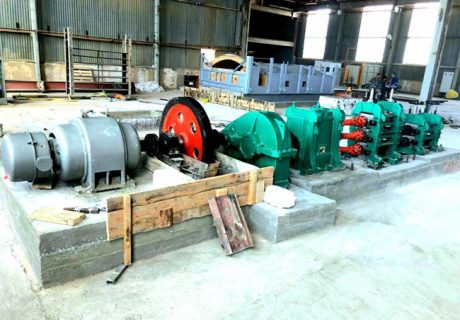
Roughing MillConsists of one or more powerful reversing or continuous stands (often 2-high or 4-high configurations) that perform the initial, significant thickness reduction on the slab or bloom.
Transfer Bar/Scale BreakerGuides the rough-milled stock (now called a "transfer bar") and may include additional descaling.
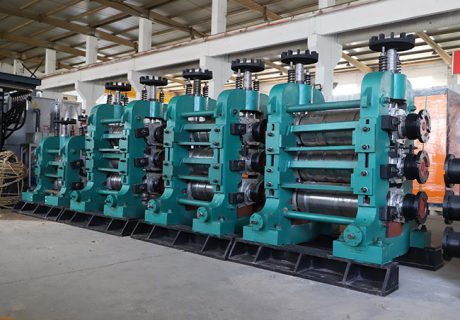
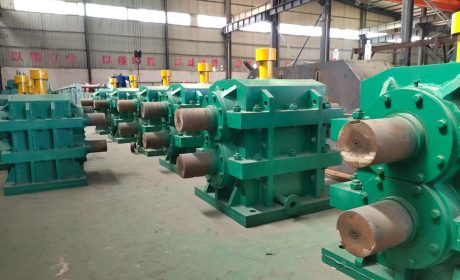
Finishing MillA tandem series of 4-high, 6-high (HC, UC) or even cluster mill stands. This is where the final thickness, profile, and surface finish are achieved through precise, sequential reductions. Sophisticated roll bending, roll shifting, and work roll cooling systems control strip shape (flatness, crown).
Runout Table (ROT) & Cooling SystemA long conveyor system with strategically placed cooling headers (laminar flow, water curtain) that control the coiling temperature, critical for metallurgical properties. May include accelerated cooling (ADC) systems for advanced high-strength steels.
Downcoiler(s)Heavy-duty mandrels that wind the hot strip into large, tight coils at controlled tension. Entry guides/pinches ensure proper coiling.
Automation & Control SystemsThe nerve center. Advanced Process Control Systems (PCS), Programmable Logic Controllers (PLCs), Human-Machine Interfaces (HMIs), and sophisticated Models (for temperature, roll force, profile, flatness) govern every aspect – temperature control, roll gap settings, speed synchronization, cooling strategies, and quality monitoring (via pyrometers, profile/flatness meters, surface inspection systems).
Major Types of Hot Rolling Mills
Steel Hot Rolling Mills: Slab MillsProduce wide flat products (sheet, plate) from slabs. Dominated by continuous tandem finishing mills. Blooming/Slabbing MillsProcess large ingots into blooms (for further rolling into structural shapes, rails, bars) or slabs (for plate/sheet mills). Often reversing mills. Billet MillsRoll blooms into smaller billets (square cross-section) for subsequent wire rod or bar mills. Plate MillsTypically reversing mills producing thick plates directly from slabs. Steckel MillsA specialized reversing mill with heated coil boxes on each side, allowing for flexible production of plate and coil on the same line. Aluminum Hot Rolling Mills Similar in principle to steel slab mills but operate at lower temperatures and require precise control to manage unique aluminum characteristics (work hardening, annealing requirements). Often feature longer finishing trains and sophisticated cooling.
Choosing the Right Hot Rolling MillCritical Considerations
Selecting or upgrading a hot rolling mill is a massive capital investment. Key factors include:
Product Mix & SpecificationsWhat products will be made (sheet, plate, bar, rod, profile)? Required thickness range, widths, tolerances, surface finish, and metallurgical properties (strength, formability)? This dictates mill type and configuration.
Annual Capacity & ThroughputTarget tons per year and desired production rates (tons/hour). Impacts furnace size, mill power, and coiling capacity.
Input MaterialSize and type of incoming stock (slab, bloom dimensions, continuous cast or ingot route)? Compatibility with handling systems.
Quality RequirementsLevel of thickness/profile/flatness control needed? Surface quality standards? Requirements for advanced high-strength steels or aerospace alloys demand higher precision mills (e.g., 6-high UC mills) and sophisticated automation.
FlexibilityHow often will product changes (width, grade) occur? Mills designed for high mix require quick roll changes and adaptable setups.
Energy Efficiency & SustainabilityModern mills incorporate regenerative burners, heat recovery systems, and optimized drives to minimize energy consumption and carbon footprint. Water treatment for scale removal is also critical.
Automation & Digitalization LevelIntegration with MES (Manufacturing Execution Systems), advanced process models, predictive maintenance, and AI-driven optimization are becoming standard for maximizing yield, quality, and uptime.
Capital Expenditure (CAPEX) & Operating Costs (OPEX)Balancing initial investment with long-term costs for energy, rolls, maintenance, labor, and consumables. Consider Total Cost of Ownership (TCO).
Footprint & Existing InfrastructureSpace availability, utility capacities (power, water, gas), and integration with upstream (casting) and downstream (cold rolling, finishing) processes.
The Future of Hot RollingEfficiency, Precision, Sustainability
Hot rolling technology continues to advance:
Enhanced Automation & AIMachine learning for predictive maintenance, real-time quality optimization, and autonomous operation. Improved Roll & Stand TechnologyAdvanced roll materials (ceramics, composites), smarter shape control systems (e.g., pair cross mills), and ultra-stiff mill housings. Digital TwinsVirtual replicas of the mill for simulation, optimization, and operator training. Sustainable PracticesIncreased use of renewable energy, waste heat recovery maximization, closed-loop water systems, and development of processes for lower-carbon steel production. Tailored PropertiesPrecise thermo-mechanical control (TMCP - Thermo-Mechanical Controlled Processing) integrated into rolling and cooling to achieve specific microstructures without costly heat treatment.
Why Hot Rolling Mills Remain Indispensable
Despite the rise of alternative processes, hot rolling remains the most efficient and economical method for producing large volumes of metal in standardized or semi-standardized shapes. It provides the foundational material for countless downstream industries. The continuous innovation in mill design, control systems, and operational practices ensures that hot rolling will continue to be the cornerstone of primary metal forming for decades to come.
Investing in the backbone of metal production requires deep expertise. Whether upgrading an existing line or planning a new facility, partnering with experienced hot rolling mill suppliers and technology providers is paramount to achieving optimal performance, quality, and return on investment.