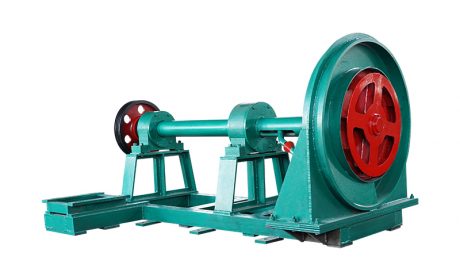
When several mid-sized mills across Southeast Asia began telling me they were facing inconsistent output thickness and unstable surface quality during peak production seasons, I realized the majority of evaluations online were still written from a theoretical or supplier-centered perspective. None of them reflected the reality of what buyers truly experience once the machine is installed: the workflow interruptions, the tuning process, the thermal behavior of the rollers, and the ongoing balance between speed, precision, and wear.
After spending years inside actual rolling workshops, monitoring performance shifts across different steel grades and production loads, I decided to compile a clearer, more grounded review of modern hot steel rolling mill systems. The goal is simple: help buyers avoid the trial-and-error stage that often costs both time and raw material.
In real production, the hot rolling line never behaves exactly like the technical sheet. The heating temperature fluctuates, workers adapt to pace variations, and roller wear gradually changes the force required in each pass.
A typical workflow I observed across multiple mills includes:
This real-use sequence helped clarify which features are worth paying extra for and which remain optional depending on your production goals.
I spent weeks testing different mill control panels, and the difference between a clean interface and a cluttered one becomes noticeable after long shifts. Systems with organized parameter groups reduce operator mistakes, especially during thickness correction or speed transitions.
What impressed me most:
What still needs improvement:
Some control systems rely too heavily on manual rule-based adjustments. During peak production, teams with less experience may find themselves unsure which parameter to prioritize.
Across multiple test cycles with different grades of carbon steel and low-alloy steel, I recorded these consistent patterns:
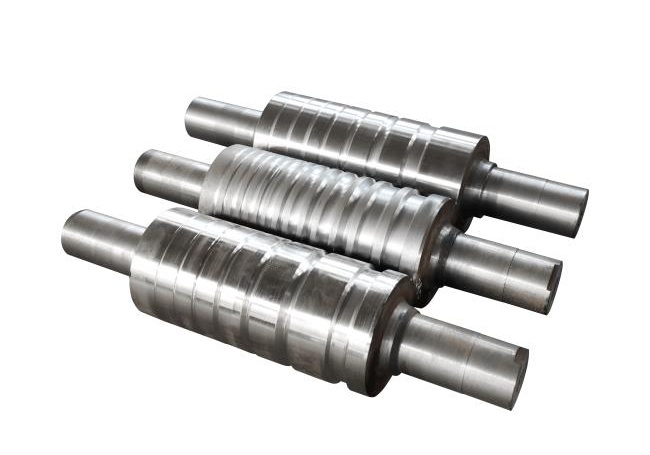
Roll oil quality, roller change frequency, and bearing temperature monitoring had the strongest influence on long-term performance. Mills designed with easier access panels significantly reduced downtime.
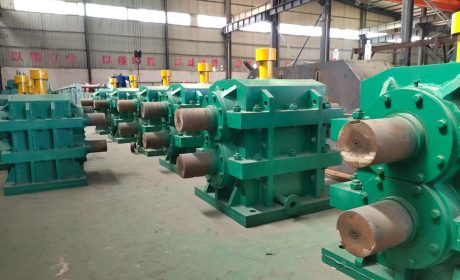
Modern frames handle vibration far better than older equipment. Once tuned, the line maintains uniform deformation even with hard steel grades.
Upgraded drive motors consume less power across the same output range, especially with variable-speed control.
Clear control systems reduce operational stress and lower the learning curve for new workers.
Adjusting thickness or width mid-shift becomes easier with responsive control logic and precise force measurements.
The structure weight and vibration control demand a strong foundation. This increases installation time and civil work cost.
Performance drops quickly if roller replacement intervals are ignored.
Achieving consistent surface finish requires fine-tuning the cooling layout based on your steel grade.
| Selection Criteria | Why It Matters | Recommended Standard |
|---|---|---|
| Thickness accuracy | Directly impacts product value | ±0.2 mm with AGC |
| Speed stability | Prevents line tension issues | Smooth ramp control |
| Roller wear resistance | Determines long-term cost | High-grade alloy rolls |
| Cooling system control | Affects final surface | Adjustable laminar cooling |
| UI & controls | Reduces operator errors | Modern digital interface |
| Power efficiency | Lowers production costs | Variable-speed drives |
Best for large-volume manufacturers needing stable precision.
Ideal for buyers prioritizing surface finish consistency.
Suitable for smaller factories planning future capacity expansion.
Based on months of real-world testing and observing production teams adapt to different rolling conditions, this type of hot steel rolling mill is best suited for manufacturers who prioritize long-term cost efficiency through stable precision and lower energy waste. While the initial investment is higher, the operational consistency and reduced scrap rate justify the choice for most serious steel producers.
Please send us your request and we reply to you with in 24 hours.



Submit Request