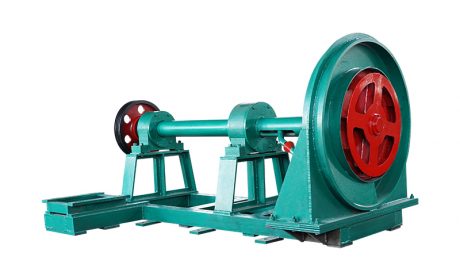
You’re probably here because you're facing a big decision — one that could shape your production line for years to come. Choosing the right steel bar mill supplier isn’t just about finding someone who can deliver metal. It’s about partnering with a company that aligns with your quality standards, delivery needs, and long-term sustainability goals.
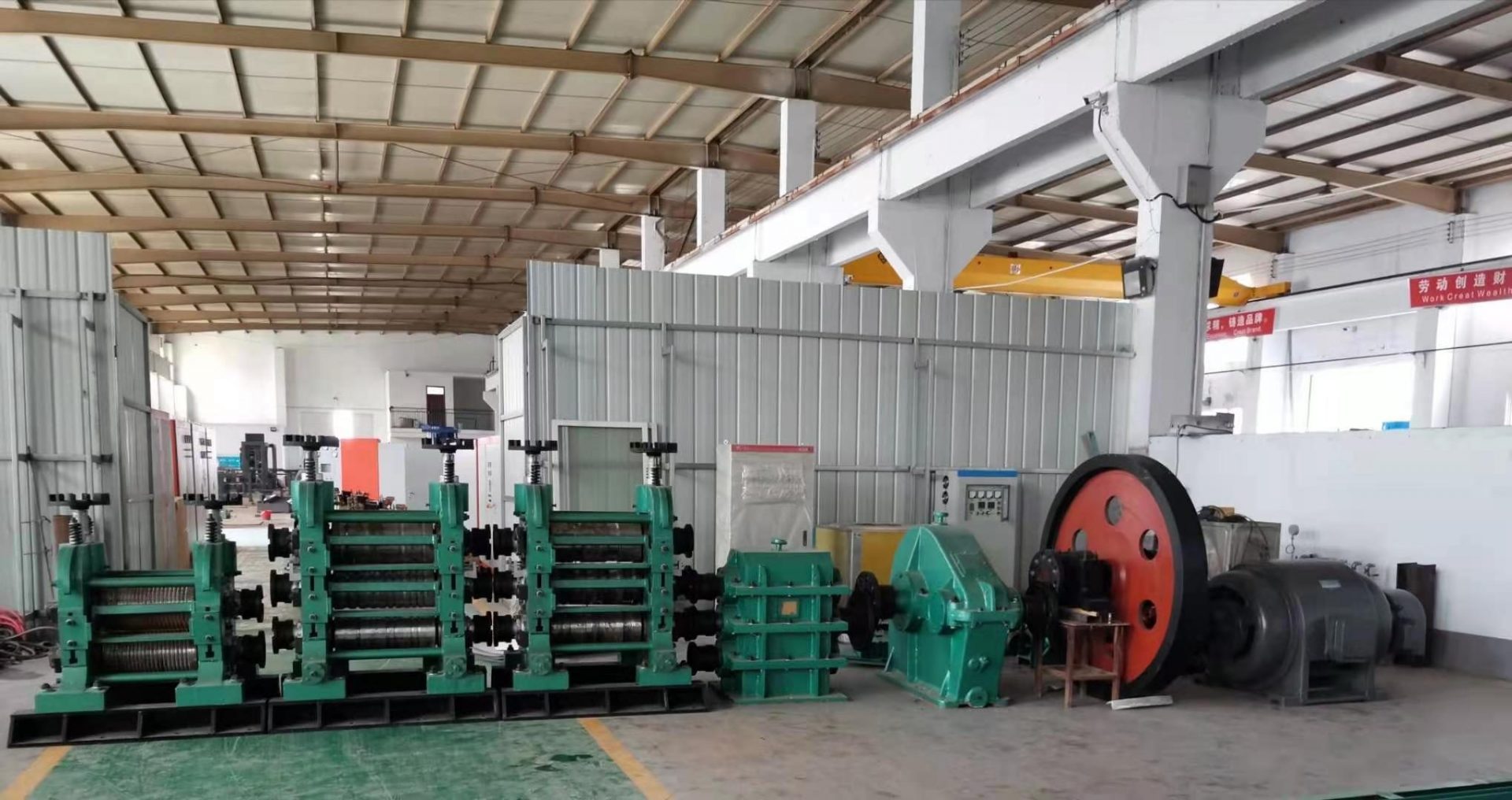
In 2025, the market is more competitive than ever. Automation, green manufacturing, and digital traceability aren't futuristic ideas anymore — they’re baseline expectations. But with so many suppliers claiming top-tier capabilities, how do you cut through the noise?
I’ve been involved in industrial procurement for over a decade, and honestly, I’ve seen promising deals fall apart because of overlooked red flags. So let me share what really matters when evaluating a steel bar mill supplier today.
It’s not just about specs on paper. It’s about reliability, future-readiness, and real-world performance.
So what should you focus on? Let’s break it down into six key factors that actually move the needle in 2025.
When you're assessing a supplier, one of the first things to clarify is their rolling process type. Are they using continuous mills or reversible setups?
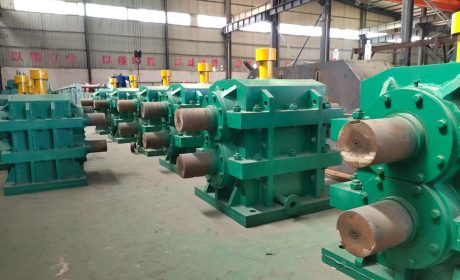
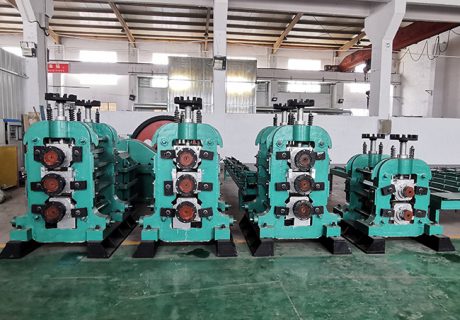
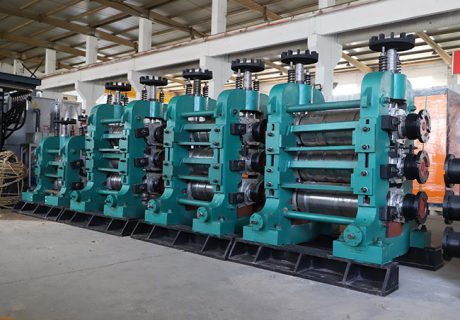
Continuous rolling mills are fully automated lines where billets pass through multiple stands in sequence. This setup allows for high-volume output with consistent dimensional accuracy. If your project demands large quantities of standard-grade bars, this is ideal.
Reversible mills, on the other hand, use a single stand that rolls the material back and forth until it reaches the desired size. These are better suited for smaller batches and custom profiles. They offer more flexibility but usually at lower throughput.
Which one fits your needs? That depends on volume, precision requirements, and lead time sensitivity.
But here's the thing — technology doesn’t stop at the mill type.
A modern steel bar mill in 2025 should have integrated automation systems. Think PLC-controlled roll gap adjustments, AI-driven temperature monitoring, and real-time defect detection via machine vision.
Suppliers with digital dashboards give you visibility into production status — some even allow remote access to live KPIs like yield rate, energy consumption, and downtime logs.
This level of integration reduces human error, improves consistency, and makes troubleshooting faster. You want a partner whose factory floor communicates as efficiently as their sales team.
Not sure if their tech stack is up to date? Ask to see a walkthrough video or request a virtual plant tour. Many leading manufacturers now provide these upon inquiry.
Capacity isn’t just about tons per month. It’s also about how quickly they can switch between grades, sizes, or alloys.
Some mills specialize in carbon steel only. Others handle alloy steels, stainless variants, or even tool-grade materials. The broader the range, the more adaptable they are to changing orders.
Also, check whether they operate single-shift or multi-shift production. Multi-shift operations typically mean shorter lead times and better responsiveness during peak demand periods.
| Feature | High-Capacity Supplier | Limited-Output Supplier |
|---|---|---|
| Mill Type | Continuous | Reversible |
| Automation Level | Full line automation with SCADA system | Manual or semi-automated |
| Output Range | Wide (e.g., 6mm–50mm bars) | Narrow (e.g., fixed diameter) |
| Shift Operation | 2–3 shifts daily | Single shift |
| Changeover Time | Under 2 hours | 4+ hours |
If you need agility alongside volume, aim for suppliers with modular production lines capable of rapid reconfiguration.
Let’s be clear — there’s no room for ambiguity when it comes to material compliance.
Your supplier must meet internationally recognized standards like ASTM A615 (for deformed bars), ISO 630 (structural steels), or EN 10080 (reinforcing steel). These aren’t optional checkboxes; they’re legal and safety requirements in most construction and engineering applications.
Ask for copies of their certification documents. Look for active audits from third-party bodies like TÜV, SGS, or Bureau Veritas. A reputable mill will have these readily available.
And don’t assume all “certified” mills are equal. Some companies obtain certifications once and never renew them. Verify the validity dates and scope of coverage.
For example, a mill might be certified for carbon steel but not for low-alloy variants. Make sure the certification matches exactly what you’re ordering.
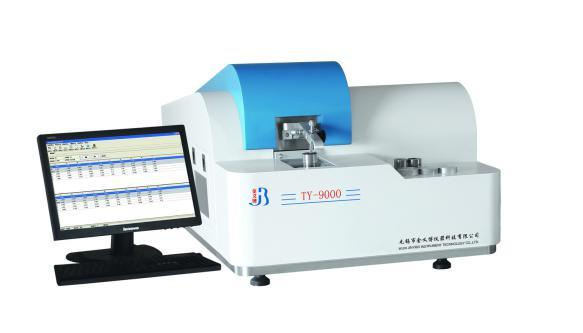
Here’s a pro tip: always ask if they have an in-house lab.
Why does it matter? Because off-site testing introduces delays and potential inconsistencies. An internal metallurgical lab means immediate chemical composition analysis, tensile strength testing, and microstructure evaluation.
They should perform tests like:
- Spectrometric analysis for alloy content
- Tensile and bend testing per ASTM E8
- Hardness checks (Rockwell or Brinell)
- Grain size measurement
Real-time feedback from an on-site lab allows instant correction of deviations. That translates to fewer rejected batches and tighter quality control.
Wouldn’t you rather catch a carbon deviation during melting than after shipment?
Traceability has become non-negotiable in 2025.
Every batch should come with a heat certificate (also known as a mill test certificate or MTC) that includes:
- Heat number
- Chemical composition
- Mechanical properties
- Inspection results
- Production date and shift
Advanced suppliers go further by offering QR-coded tags on each bundle. Scan it, and you get full lifecycle data — from raw material origin to final inspection.
This isn’t just good practice. It’s essential for industries like aerospace, nuclear, or bridge construction, where accountability is critical.
Want peace of mind? Choose a supplier whose documentation feels transparent, not burdensome.
No matter how great the product is, late delivery can derail entire projects.
Ask for their on-time delivery (OTD) percentage over the past 12 months. Top-tier suppliers maintain OTD rates above 95%. Anything below 90% is a warning sign.
But don’t take their word alone. Reach out to existing clients — especially those in your region or industry — and ask about their actual experience.
Have they faced unexpected delays due to equipment failure or logistics bottlenecks?
In 2025, supply chain resilience includes contingency planning. Does the supplier have backup power, alternative shipping routes, or secondary warehousing?
These details often separate reliable partners from average ones.
Lead time starts the moment you place the order. How fast can they respond?
Some suppliers keep standard grades in stock, allowing dispatch within days. Others require 4–8 weeks of production lead time, depending on complexity.
Check whether they use just-in-time (JIT) inventory models or maintain buffer stocks. JIT works well under stable conditions, but it’s risky during global disruptions.
A balanced approach — strategic stockpiling of common sizes combined with flexible production scheduling — gives the best of both worlds.
Can they accommodate rush orders without sacrificing quality? That’s worth knowing upfront.
Are you importing or sourcing locally?
If international, find out which ports they ship from, what Incoterms they support (FOB, CIF, DAP, etc.), and whether they work with trusted freight forwarders.
Top suppliers often have regional distribution hubs. For instance, a European-based mill may have warehouses in Rotterdam and Barcelona to serve different markets efficiently.
Do they offer tracking from factory to destination? Can you receive updates via email or API integration?
Transparency in logistics builds trust. And in today’s world, being able to track your cargo in real time isn’t a luxury — it’s expected.
Standard round bars come in diameters ranging from 6mm to 100mm. But not every mill produces the full spectrum.
Most suppliers cover the 10mm–40mm range for general construction use. However, specialty applications — like shafts, axles, or high-stress components — may require larger diameters or tighter tolerances.
Ask specifically: What’s the largest and smallest diameter they routinely produce?
Also, confirm tolerance classes. Precision-ground bars for automotive use follow stricter tolerances (e.g., h9, h11) compared to hot-rolled structural bars.
The wider the range, the less likely you’ll need to source from multiple vendors.
Need chromium-molybdenum steel for high-temperature service? Or boron-treated steel for improved hardenability?
Not all mills can handle special alloys. Melting, rolling, and heat treatment parameters vary significantly across grades.
Make sure the supplier has prior experience with your required chemistry and processing steps.
Can they adjust cooling rates for specific microstructures? Do they offer quenching and tempering services in-house?
Custom specs aren’t just about chemistry. You might need unique surface finishes, straightness tolerances, or packaging formats (coiled vs. bundled).
The best suppliers treat customization as a collaborative process — not an exception.
Ever worked with a supplier who actually helped solve a design problem?
That’s the kind of value-add you want.
Some mills employ metallurgists and application engineers who can recommend optimal grades based on your end-use — whether it’s corrosion resistance, wear performance, or fatigue life.
They might suggest substituting a slightly higher-grade alloy to extend component lifespan, saving you money in maintenance down the road.
This kind of technical partnership turns a vendor into a true ally.
Don’t hesitate to ask: “Have you worked on similar applications before?” Case studies or reference projects speak louder than brochures.
If you're setting up a new mill line or integrating new equipment, onsite support is invaluable.
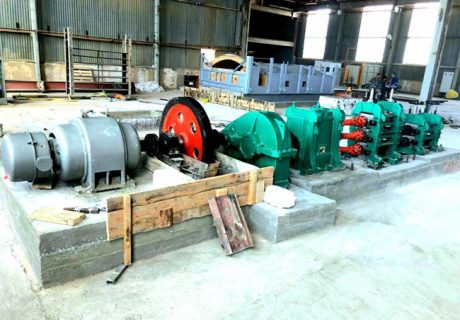
Top suppliers offer commissioning teams that travel to your facility. They handle alignment checks, calibration, and initial run trials.
This ensures everything operates smoothly from day one — reducing startup risks and costly errors.
Do they provide detailed installation manuals? Are drawings available in CAD format?
These small touches make a big difference when your team is under pressure to launch production.
Your operators need to understand the equipment inside out.
Comprehensive training programs cover:
- Safe operation procedures
- Routine maintenance tasks
- Troubleshooting common issues
- Software interface navigation (for automated systems)
Look for suppliers who offer both on-site and online training modules. Recorded sessions let new hires catch up later.
Some even provide refresher courses annually — a sign they care about long-term success, not just the initial sale.
Is ongoing education part of their service model? That’s a strong indicator of commitment.
Parts availability can make or break uptime.
Ask: How long does it take to get a replacement roll bearing or drive coupling?
Leading suppliers maintain spare parts inventories globally. Some offer guaranteed 72-hour delivery for critical components.
They may also provide preventive maintenance contracts, including scheduled inspections, lubrication services, and predictive diagnostics using vibration analysis or thermal imaging.
Predictive maintenance helps avoid unplanned downtime — a major cost saver in continuous operations.
Wouldn’t you sleep better knowing expert support is just a call away?
Sustainability is no longer optional — it’s embedded in procurement policies worldwide.
By 2025, many governments and corporations require suppliers to disclose Scope 1, 2, and 3 emissions. Some even mandate EPDs (Environmental Product Declarations).
Ask your supplier:
- What’s their CO₂e per ton of steel produced?
- Do they use electric arc furnaces (EAF) instead of blast furnaces?
- Is renewable energy used in production?
EAF-based mills emit up to 70% less CO₂ than traditional integrated plants. If decarbonization is important to your organization, this matters.
Also, check if they recycle scale, slag, and process water. Closed-loop systems reduce waste and environmental impact.
Are you working on LEED-certified, BREEAM-approved, or net-zero buildings?
Then your materials must contribute to those goals.
Suppliers aligned with ESG (Environmental, Social, Governance) principles often publish annual sustainability reports. Review them carefully.
Look for commitments like:
- Net-zero targets by 2040
- Zero workplace injuries
- Community investment programs
- Diversity in leadership
These aren’t just PR statements. Investors, regulators, and clients increasingly verify ESG claims.
Partnering with a socially responsible supplier strengthens your own brand reputation.
Is their vision compatible with yours? In 2025, that alignment is strategic.
Always verify three core areas: quality certifications, delivery history, and after-sales support terms. Request recent audit reports, check references from current clients, and confirm spare parts lead times. Don’t skip a site visit or virtual tour — seeing their facility in action reveals more than any document can.
Ask for details on automation level, data integration, and predictive maintenance tools. Modern mills use IoT sensors, SCADA systems, and AI analytics for optimization. You can also inquire about recent upgrades — facilities investing in technology typically do so every 3–5 years. According to World Steel Association, digital transformation is now standard among top producers.
Yes. Electrification of rolling processes, hydrogen-based reduction trials, and blockchain-enabled traceability are gaining traction. Mills adopting these innovations position themselves for regulatory compliance and efficiency gains. For insights on current advancements, the International Iron and Steel Institute regularly publishes updates on next-gen production methods.
Note: All external links included in this article point to authoritative industry organizations providing verified information on steel manufacturing standards and innovation trends.
Please send us your request and we reply to you with in 24 hours.



Submit Request