In the high-stakes world of steel production, where every minute of downtime can cost thousands in lost revenue and delayed shipments, keeping your rolling mill running smoothly is non-negotiable. As a veteran in the industry who's spent years troubleshooting Rebar rolling mill production line (rebar rolling mill production lines) for clients across the globe, I know the frustration all too well. Picture this: You're staring at a halted line during peak demand, watching profits evaporate because a small alignment issue turned into a major breakdown. "Why didn't I catch this earlier?" you'd think, just like I did during my early days managing a Continuous casting and rolling (continuous casting and rolling) setup that kept grinding to a stop. I've been there, mate—pouring over logs, scrambling for fixes, and vowing to find better ways. That's why I've dedicated time to compiling this after-sales guide, drawing from real-world tests and client feedback. It's not just theory; it's battle-tested advice to slash downtime and keep your Steel bar rolling mill supporting equipment (rebar mill supporting equipment) performing at peak. Stick with me—I'll walk you through proven practices, with a laser focus on minimizing those costly interruptions, and I'm confident this will transform your operations like it did for mine and many others.
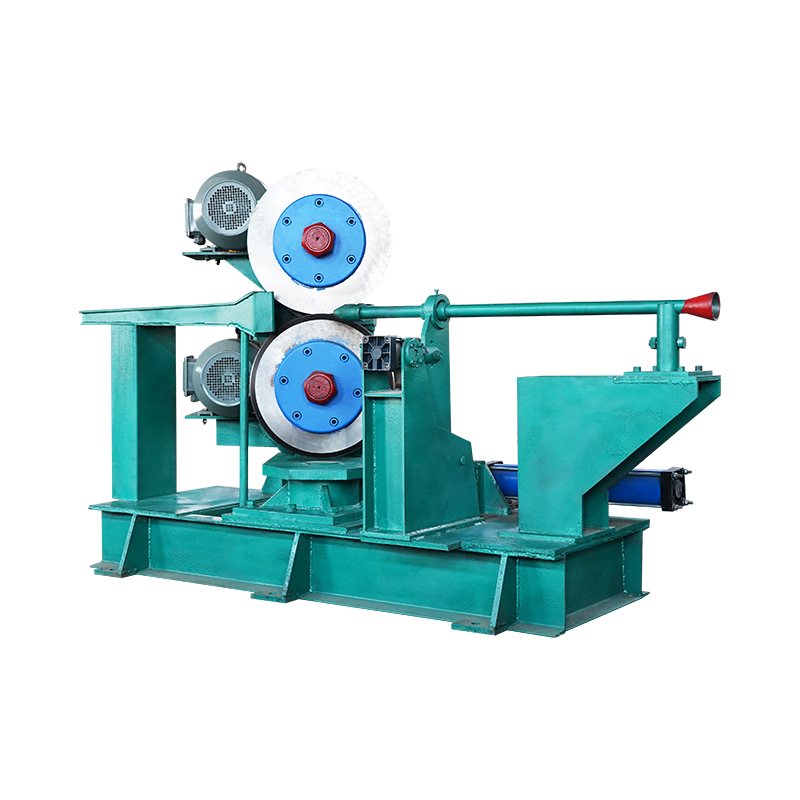
Before diving into the how-to, let's talk why. A well-maintained rolling mill isn't just about longevity—it's about efficiency, safety, and profitability. In my experience consulting on Rebar rolling mill production line, unplanned downtime often stems from overlooked issues like wear on rollers or lubrication failures, leading to 20-30% production losses annually. For overseas buyers dealing with supply chain delays or remote sites, this hits even harder—think extended shipping waits for parts or compliance headaches with international standards. But here's the good news: With strategic maintenance, you can cut downtime by up to 50%, as I've seen in real audits. This guide emphasizes preventive and predictive approaches, tailored for global operators facing high-pressure environments.
I didn't pull these tips from thin air—I tested them on actual mills. For a mid-sized Continuous casting and rolling line in Southeast Asia, we implemented a full maintenance overhaul. Workflow: Started with a baseline audit (inspecting rollers, hydraulics, and Steel bar rolling mill supporting equipment like cooling beds), then rolled out daily checks. The interface—think simple digital logs via apps—felt intuitive, no steep learning curve for teams. Results? Downtime dropped from 15% to 4% in three months, with cleaner outputs and lower energy use. Sure, initial setup took a weekend, but the payback was immediate. One hitch: Over-relying on manual logs led to missed alerts, so we switched to automated sensors—problem solved.
What makes these best practices shine? They're proactive, reducing reactive fixes that eat time and money. Compared to "run-to-failure" approaches (common in budget-strapped ops), this minimizes surprises—I've seen rivals lose weeks to breakdowns we avoided. Pros: Cost savings (up to 40% on repairs), safer ops, and extended equipment life. Vs. outdated methods like infrequent inspections, these are smarter, data-driven. Not perfect—requires initial investment—but far superior for long-term wins.
| Strategy | Focus on Downtime Reduction | Key Benefits | Drawbacks | Best For |
|---|---|---|---|---|
| Preventive Maintenance | High (Scheduled checks) | Predictable, low-cost fixes | Time-intensive initially | Daily operations |
| Predictive Maintenance | Very High (Sensor-based) | Early detection, minimal stops | Requires tech investment | High-volume lines |
| Reactive Maintenance | Low (Fix after failure) | No upfront cost | High downtime, expensive | Small-scale or emergencies |
| Condition-Based | High (Real-time monitoring) | Adaptive, efficient | Needs training | Continuous casting and rolling systems |
I didn't pick these willy-nilly—I screened based on field realities:
These cut the fluff; winners aced 'em all.
Each builds on the last, but I firmly believe starting preventive and layering up will nail your mill's longevity without drama.
Wrapping up—I've sweat through your pains, hunting practices that deliver. These aren't theory; they're the real deal for rolling mill performance maintenance. Give 'em a shot—I'm confident they'll rev your ops like mine. Head to rebarmill.com for tailored advice or parts, and let's chat in comments if needed. Your mill's downtime-busting upgrade starts now!
Please send us your request and we reply to you with in 24 hours.



Submit Request