Mini TMT Rolling Mill Project Cost: What Really Determines Your Investment Success
When factory owners search for mini TMT rolling mill project cost, most of them are not simply asking, “How cheap can I build a mill?”
What they are really asking is:
- How much capital do I need to start?
- When will I recover my investment?
- Will the mill run stably for 10–15 years?
- Can I meet quality standards without constant downtime?
- Who will support me after commissioning—especially overseas?
As someone who has worked with rolling mill projects across Asia, Africa, the Middle East, and Latin America, I can say this clearly:
The real cost of a mini TMT rolling mill is not the equipment price.
It is the long-term operational cost, risk exposure, and return cycle.
This article breaks down the true project cost, from an owner’s and technical manager’s perspective—not a procurement spreadsheet.
1. What Is a Mini TMT Rolling Mill Project?
A mini TMT rolling mill is typically designed for:
- Small to mid-scale steel producers
- Regional construction markets
- Lower initial capital investment
- Flexible production capacities (8–25 TPH commonly)
The project usually includes:
- Reheating furnace
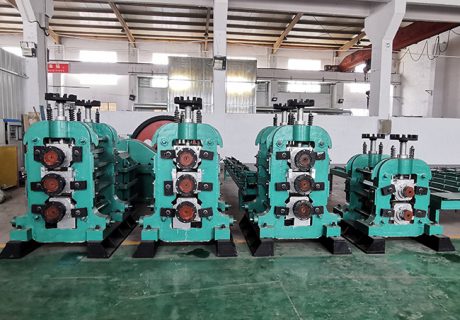
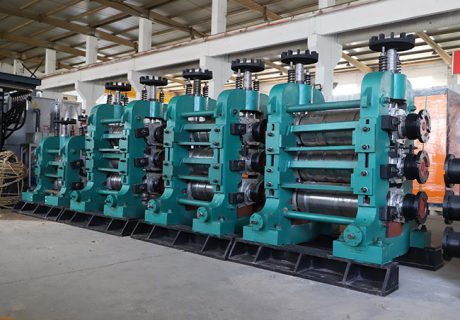
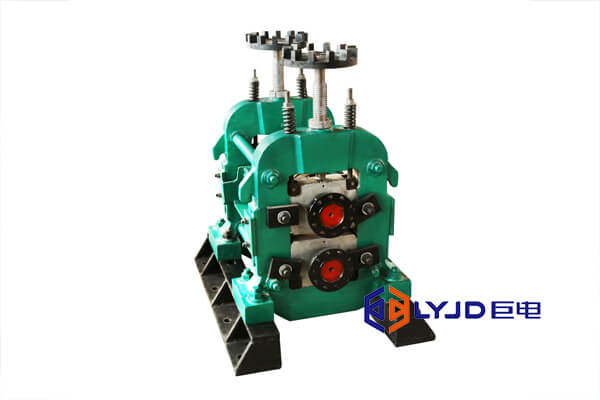
- Rolling stands (roughing, intermediate, finishing)
- TMT quenching system
- Cooling bed
- Automation & electrical systems
- Auxiliary systems (hydraulics, lubrication, water treatment)
However, two projects with the same capacity can differ dramatically in total cost and performance.
2. Mini TMT Rolling Mill Project Cost: A Practical Cost Breakdown
Instead of listing prices, let’s talk about where your money actually goes.
2.1 Equipment Cost (Only 40–55% of Total Investment)
This includes:
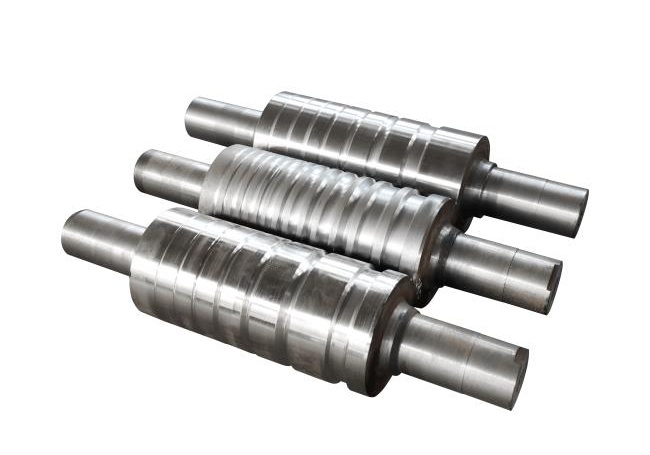
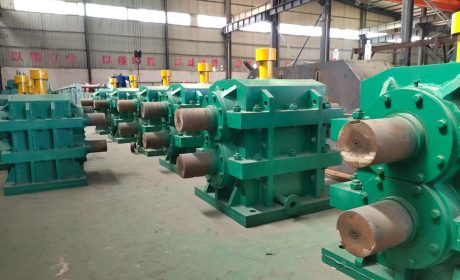
- Rolling mill machinery
- Furnace body and burners
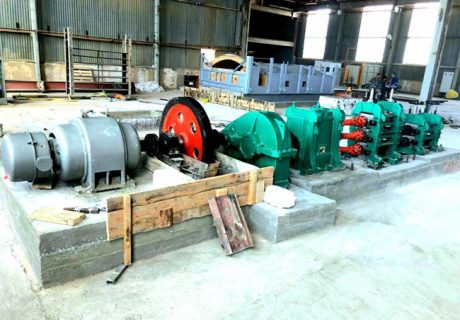
- Motors, gearboxes, drives
- Electrical & automation systems
2.2 Civil & Foundation Work (10–15%)
Often underestimated, especially by first-time investors.
Poor layout or foundation design can lead to:
- Misalignment issues
- Vibration damage
- Premature bearing and gearbox failure
A supplier with real project experience can optimize layout and reduce unnecessary civil cost—this is where experience saves money.
2.3 Power & Energy Infrastructure (8–12%)
Energy cost is the largest long-term expense.
A well-designed mini TMT rolling mill should:
- Reduce reheating furnace fuel consumption
- Optimize motor sizing and load distribution
- Use efficient drive systems
Over 5 years, energy efficiency alone can exceed the original equipment price difference between suppliers.
2.4 Installation, Commissioning & Training (5–8%)
This is where many overseas projects fail.
Without:
- On-site experienced engineers
- Proper operator training
- Clear commissioning procedures
You risk:
- Delayed production
- Substandard TMT quality
- Safety incidents
2.5 Spare Parts, Maintenance & Downtime (Hidden Cost)
This is the silent killer of ROI.
Questions owners should ask:
- Are spare parts standardized or proprietary?
- How fast can parts be shipped internationally?
- Is local technical support available?
Downtime costs far more than spare parts.
3. What Factory Owners Really Care About: ROI, Not Just Cost
From an owner’s perspective, the real question is:
How fast does the mini TMT rolling mill generate stable cash flow?
A professionally designed project offers:
- Faster heat-up times
- Higher mill availability
- Consistent TMT mechanical properties
- Lower rejection rates
This directly impacts:
- Monthly output
- Sales consistency
- Customer trust
- Financing confidence
4. What Technical Managers Focus On (And Why It Matters to Owners)
Technical and engineering managers care about:
- Rolling stability
- Temperature control
- Quenching consistency
- Ease of operation
- Maintenance simplicity
When technical teams are comfortable with the equipment:
- Errors decrease
- Output stabilizes
- Equipment lifespan increases
Good engineering protects your investment.
5. Why “Lowest Project Cost” Is the Most Expensive Decision
Procurement teams often push for the lowest quotation.
But in practice, low-price projects often lead to:
- Inflated performance claims
- Under-sized motors
- Poor automation logic
- No after-sales accountability
For factory owners, this translates to:
- Longer payback period
- Higher operational stress
- Reputation risk in local markets
6. The Value of Choosing an Experienced Rolling Mill Partner
A reliable mini TMT rolling mill supplier is not just a manufacturer.
They should provide:
- Project feasibility analysis
- Capacity-to-market matching
- Energy optimization advice
- Export packaging & logistics support
- Overseas installation & commissioning
- Long-term technical service
This is not a transaction—it is a production partnership.
7. Export & Overseas Support: A Non-Negotiable Factor
For international projects, strong export capability matters:
- Compliance with local standards
- Clear documentation
- Fast-response service channels
- Spare parts planning before startup
A supplier with real overseas experience reduces risk before problems occur.
8. Total Cost of Ownership (TCO): The Metric That Matters
Instead of asking:
“What is the mini TMT rolling mill project cost?”
Ask:
“What is the cost per ton over 10 years?”
TCO includes:
- Energy consumption
- Maintenance
- Downtime losses
- Spare parts
- Productivity losses
This is where professional engineering pays back.
9. Typical Payback Period: What Is Realistic?
For well-designed mini TMT rolling mill projects:
- Stable markets: 18–36 months
- Emerging markets: 24–42 months
Poorly planned projects may:
- Never reach designed capacity
- Struggle with quality consistency
- Face long shutdowns
10. Final Advice from a Rolling Mill Project Expert
If you are planning a mini TMT rolling mill project, remember this:
Your biggest risk is not spending too much—it is investing in the wrong solution.
Choose partners who:
- Understand steelmaking realities
- Have real factory experience
- Offer long-term service
- Stand behind performance, not just price
That is how you turn project cost into long-term profit.