Choosing the Right Rebar Rolling Mill Production Line: Key Factors for Technical and Cost Decisions
1. Introduction: Why the Right Choice Matters
In today’s global steel market, demand for high-quality rebar is driven by rapid urbanization, infrastructure investment, and the need for stronger, more sustainable construction materials. Whether you are a steel producer expanding capacity or a new investor entering the industry, choosing the right rebar rolling mill production line is one of the most critical decisions you will make.
The right production line determines:
Output capacity and product quality for the next 10–15 years
Operational efficiency and profitability
Maintenance and upgrade flexibility over the equipment’s lifecycle
At rebarmill.com, we understand that overseas buyers face unique challenges — from navigating technical specifications to ensuring long-term support. This guide offers a comprehensive decision-making framework that blends technical insights, cost analysis, and real-world application cases.
2. Understanding the Role of a Rebar Rolling Mill Production Line
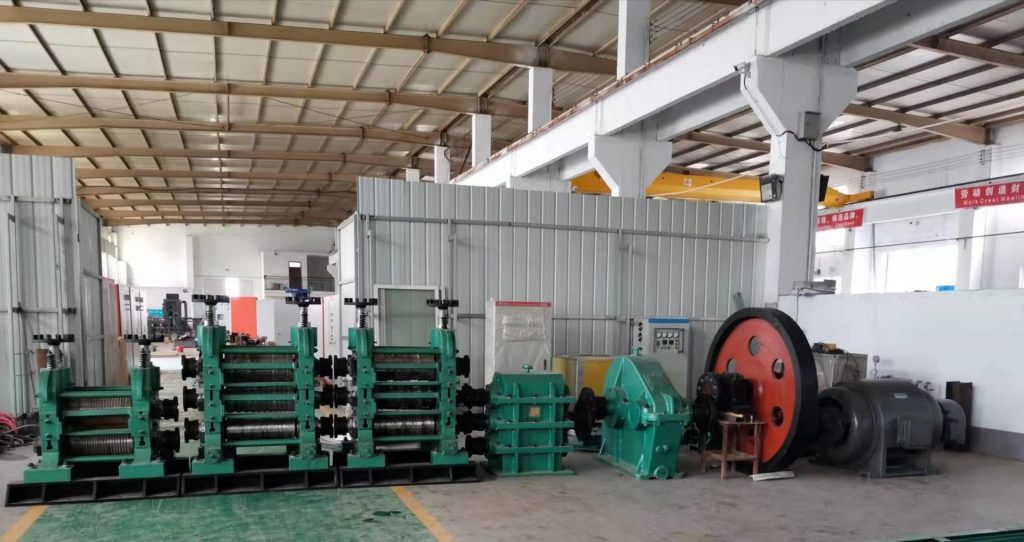
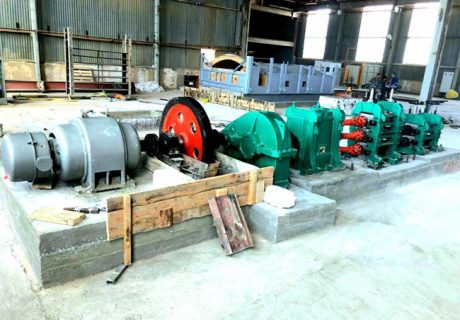
A rebar rolling mill production line is a complete set of equipment designed to process steel billets into finished steel rebar for construction use.
2.1 Core Functions
Heating steel billets to the rolling temperature
Reducing billet cross-section through a series of rolling stands
Controlling dimensions, surface quality, and mechanical properties
Cooling, cutting, bundling, and packaging for shipment
2.2 Main Components
Reheating Furnace – Uniformly heats billets for optimal rolling conditions
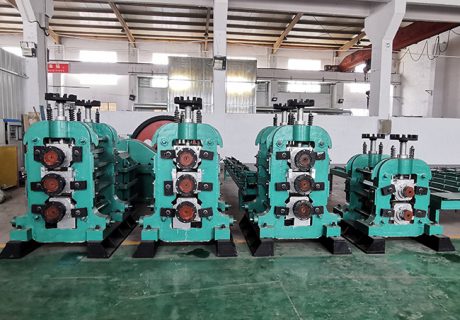
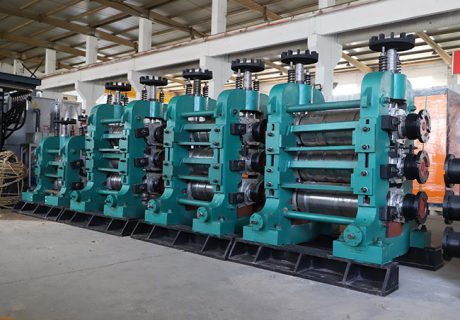
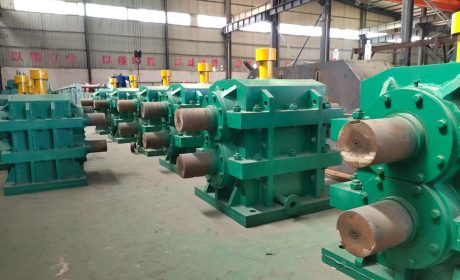
Rolling Stands – Sequentially reduce billet size while increasing length
Cooling Bed – Allows controlled cooling to enhance steel strength
Shearing Machines – Precisely cut rebar into required lengths
Bundling & Packing Systems – Prepare finished rebar for delivery
2.3 Integration with Continuous Casting and Rolling
Modern plants increasingly adopt continuous casting and rolling systems, which link billet casting directly to the rolling process. This eliminates reheating costs, improves yield, and shortens production cycles — a key advantage for competitive markets.
3. Technical Factors That Influence Your Decision
When selecting a rebar rolling mill production line, technical specifications should be evaluated alongside your target market’s demands.
3.1 Production Capacity Planning
Annual output (e.g., 300,000–1,000,000 tons/year)
Hourly production rate and downtime tolerance
Flexibility for future expansion
3.2 Automation and Control Systems
Advanced PLC (Programmable Logic Controller) and HMI (Human-Machine Interface) systems ensure stable operation, precise control of rolling parameters, and real-time monitoring.
3.3 Rolling Speed and Yield Rate
Modern mills can reach rolling speeds of 14–18 m/s
Yield rates above 97% are achievable with optimized systems
3.4 Energy Efficiency
Variable frequency drives (VFDs) to reduce power consumption
Waste heat recovery from reheating furnaces
Low-friction bearing technology
3.5 Flexibility for Multiple Rebar Sizes
Ability to switch between different rebar diameters (8–40 mm) without major downtime is critical for serving varied market demands.
4. Cost Factors You Can’t Ignore
A rebar mill cost analysis should go beyond the initial purchase price.
4.1 Capital Expenditure (CAPEX)
Equipment purchase
Civil construction and installation
Shipping and import duties
4.2 Operational Expenditure (OPEX)
Energy consumption
Labor costs
Spare parts and consumables
4.3 Maintenance and Downtime Costs
Unplanned downtime can lead to significant revenue loss. Choosing a supplier with robust technical support minimizes these risks.
4.4 Return on Investment (ROI)
Calculate payback period based on market demand and selling price
Consider how automation, energy savings, and high yield rates shorten ROI timeframes
5. Common Challenges for Overseas Buyers
International buyers often face unique hurdles when sourcing steel rebar manufacturing equipment:
After-Sales Support Limitations – Lack of local service teams
Spare Part Supply Delays – Long lead times affecting production continuity
Compatibility Issues – Equipment not matching local billet specifications
Operator Training Gaps – Insufficient technical training leading to reduced efficiency
Define Production Targets – Annual tonnage, product range, and quality standards
Evaluate Supplier Experience – Proven track record in your market segment
Compare Technical Specs – Speed, yield, automation level, energy efficiency
Conduct On-Site Inspections – Visit operational mills built by the supplier
Assess After-Sales Services – Remote monitoring, spare parts stock, training packages
Calculate Total Cost of Ownership – CAPEX + OPEX + maintenance
7. Case Studies: Success Stories from rebarmill.com Clients
Case 1: Upgrading to Continuous Casting and Rolling
A Middle Eastern steel producer upgraded from a traditional batch process to a continuous casting and rolling system, increasing yield from 93% to 98% while cutting fuel costs by 15%.
Case 2: Custom Turnkey Solution for African Market
A West African client required a rebar mill turnkey solution tailored to local billet sizes and available energy sources. rebarmill.com delivered a fully integrated system with hybrid fuel options, reducing downtime by 30%.
8. Why Choose rebarmill.com as Your Global Partner
Proven International Experience – Projects in 20+ countries
Full Lifecycle Service – From design to installation, training, and maintenance
Custom Engineering Solutions – Adapted to local raw materials and market conditions
Responsive After-Sales Support – Remote diagnostics and quick spare parts delivery
9. Call to Action
Ready to invest in a high-performance rebar rolling mill production line? Contact rebarmill.com today for: