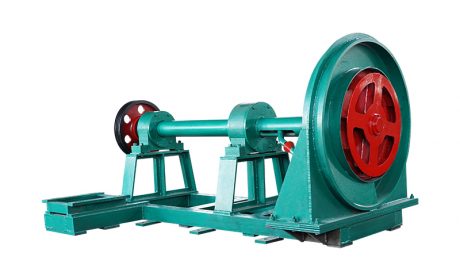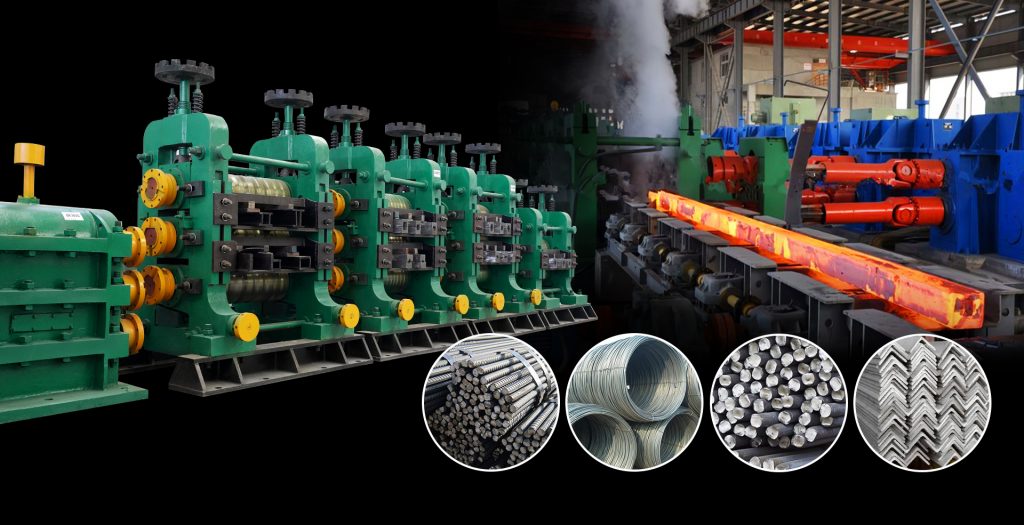
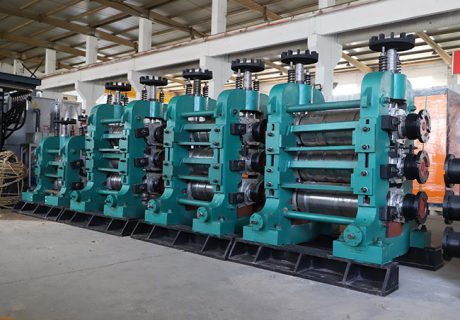
In the field of engineering technology, roller stands are an important auxiliary tool that is widely used in various workplaces, especially in construction sites and workshops. Roller stands not only improve work efficiency, but also ensure the safety of operation. This article will explore the definition, use, types, selection criteria and latest technological advances of roller stands from the perspective of technicians, aiming to provide readers with comprehensive knowledge of roller stands aluminium rolling machine.
Roller stands, also known as roller stands, roller seats or roller brackets, are a type of equipment used to support and move heavy materials. It usually consists of a sturdy base, an adjustable support column and a working head equipped with rollers. The design of the roller stand enables it to easily handle materials of various shapes and sizes, such as wood, metal plates, etc., greatly simplifying the material handling and processing process.
For technicians, the importance of roller stands is self-evident. In workshops or construction sites, heavy materials often need to be handled, and traditional manual handling methods are not only inefficient but also pose safety hazards. The emergence of roller racks not only improves work efficiency, but also reduces the physical exertion of workers and reduces the risk of accidents.
Wood processing: In the process of wood processing, roller racks are often used as a platform to support and move wood. It can help workers easily feed wood into the machine for cutting, grinding or planing.
Metal processing: In the field of metal processing, roller racks also play an important role. It can support metal plates to keep them stable, which is convenient for workers to perform operations such as cutting, welding or drilling.
Construction site: On construction sites, roller racks are often used to support and move heavy construction materials such as steel bars and concrete blocks. It can help workers quickly transport materials to designated locations and improve construction efficiency.
Auto repair: In the process of auto repair, roller racks can be used to support the car body and keep it level, which is convenient for workers to perform operations such as inspection and replacement of parts.
Fixed roller rack: The fixed roller rack has a fixed base and support column, and the height and angle cannot be adjusted. It is usually used in situations where stable support materials are required.
Adjustable roller rack: The adjustable roller rack has an adjustable support column and work head, and the height and angle can be adjusted as needed. It is suitable for a variety of different working environments and material types.
Folding roller rack: The folding roller rack has a foldable base and support column, which is easy to carry and store. It is usually used in situations where frequent movement and change of work locations are required.
Electric roller rack: The electric roller rack drives the roller to rotate through a motor, which can automatically move the material. It is suitable for situations where efficient and continuous material handling is required.
IV. Standards for selecting roller racks
When selecting roller racks, technicians need to consider the following factors:
Load capacity: According to the weight of the required support material, select the appropriate load capacity. Make sure that the roller rack can stably support the material to avoid collapse or damage.
Stability: Choose a roller rack with good stability to ensure that it will not shake or tilt during operation.
Adjustability: Choose an adjustable roller rack as needed so that the height and angle can be adjusted according to the material type and working environment.
Durability: Choose a roller rack made of high-quality materials to ensure that it has good durability and service life.
Safety: Make sure that the roller rack meets safety standards and is equipped with necessary safety devices such as anti-slip rollers, locking devices, etc.
V. The latest technological advances in roller racks
With the continuous development of science and technology, roller racks are also constantly innovating and improving. The following are the latest technological advances in the field of roller racks:
Intelligent control: Some advanced roller racks have achieved intelligent control. By integrating sensors and control systems, information such as the weight, position and movement speed of the material can be monitored in real time, and the speed and direction of the roller can be automatically adjusted as needed. This not only improves work efficiency, but also enhances safety.
Modular design: The modularly designed roller rack can combine and disassemble different components as needed to adapt to different working environments and material types. This design not only improves the flexibility of the roller rack, but also reduces costs and maintenance difficulties.
Lightweight materials: In order to reduce the weight of the roller rack and improve its portability, some manufacturers have begun to use lightweight materials such as aluminum alloy and carbon fiber. These materials not only have high strength and corrosion resistance, but also have low density and weight.
Environmental protection and energy saving: With the improvement of environmental awareness, more and more roller racks have begun to adopt environmental protection and energy-saving designs. For example, some electric roller racks use energy-saving motors and efficient transmission systems to reduce energy consumption and noise pollution.
Correct use: When using roller racks, operating procedures and safety standards should be followed. Avoid overloading, overspeeding or improper operation to avoid damage to the roller rack or safety accidents.
Regular inspection: Regularly inspect and maintain the roller rack, including checking the wear and damage of components such as rollers, support columns, and bases, and checking whether fasteners are loose or falling off. Replace damaged parts in time to ensure the stability and safety of the roller rack.
Cleaning and maintenance: Clean and maintain the roller rack regularly to remove dirt and grease on the surface to prevent corrosion and rust. At the same time, lubricate components such as rollers and bearings to reduce friction and wear.
Storage management: When the roller rack is not in use, it should be stored in a dry, ventilated environment without corrosive gases. Avoid prolonged exposure to sunlight or rain to avoid damage to the roller rack.
VII. Conclusion
As an indispensable auxiliary tool for technicians in workshops and construction sites, the roller rack has broad application prospects and important value. By deeply understanding the definition, purpose, type, selection criteria and latest technological advances of the roller rack, technicians can better select and use the roller rack to improve work efficiency and safety. At the same time, mastering the correct use and maintenance methods is also the key to ensure the normal operation of the roller rack and extend its service life.
With the continuous advancement of science and technology and the continuous development of engineering technology, the roller rack will continue to usher in more innovations and improvements. In the future, we can look forward to the emergence of more intelligent, modular, lightweight and environmentally friendly and energy-saving roller rack products, providing technicians with more efficient, convenient and safe solutions.
Please send us your request and we reply to you with in 24 hours.



Submit Request