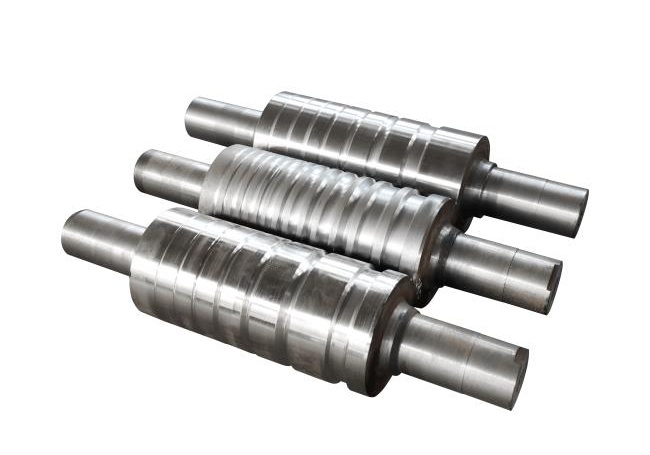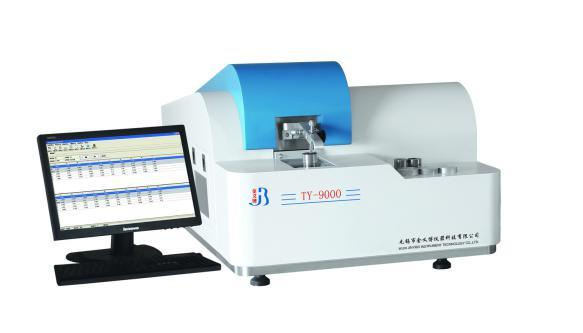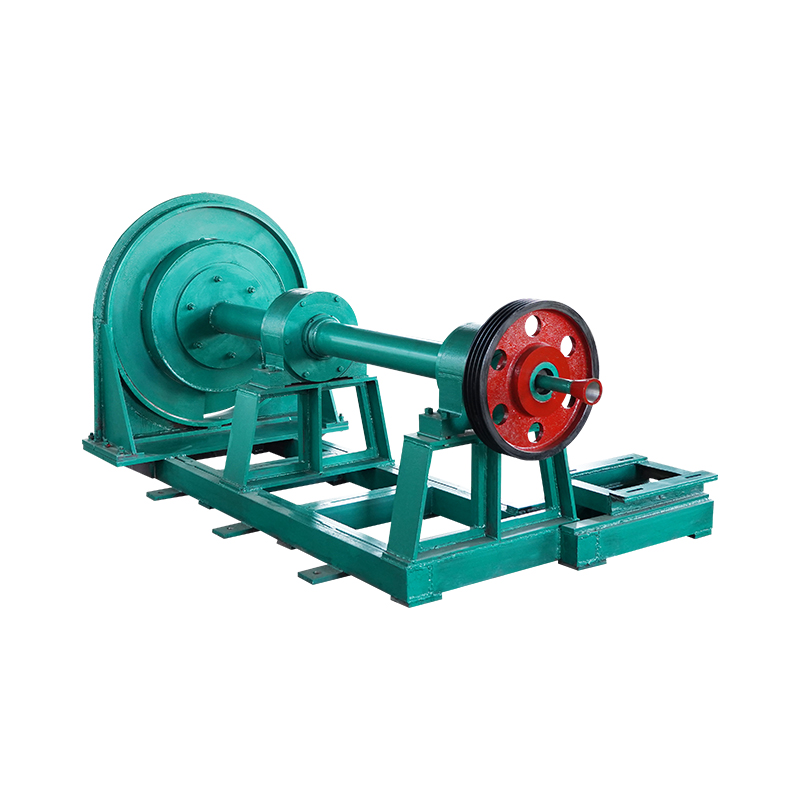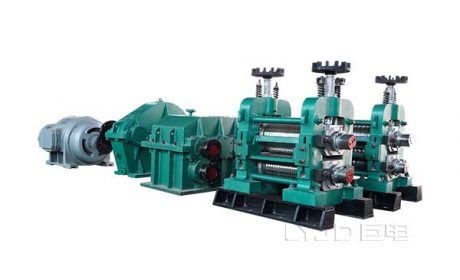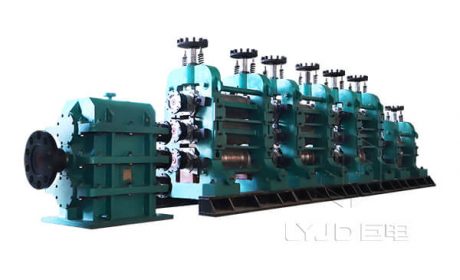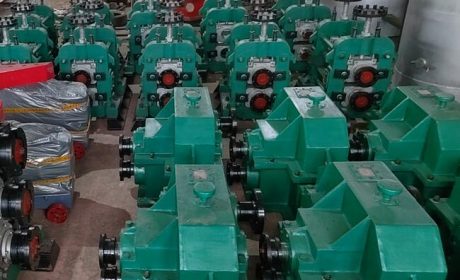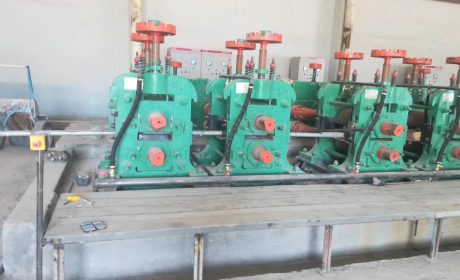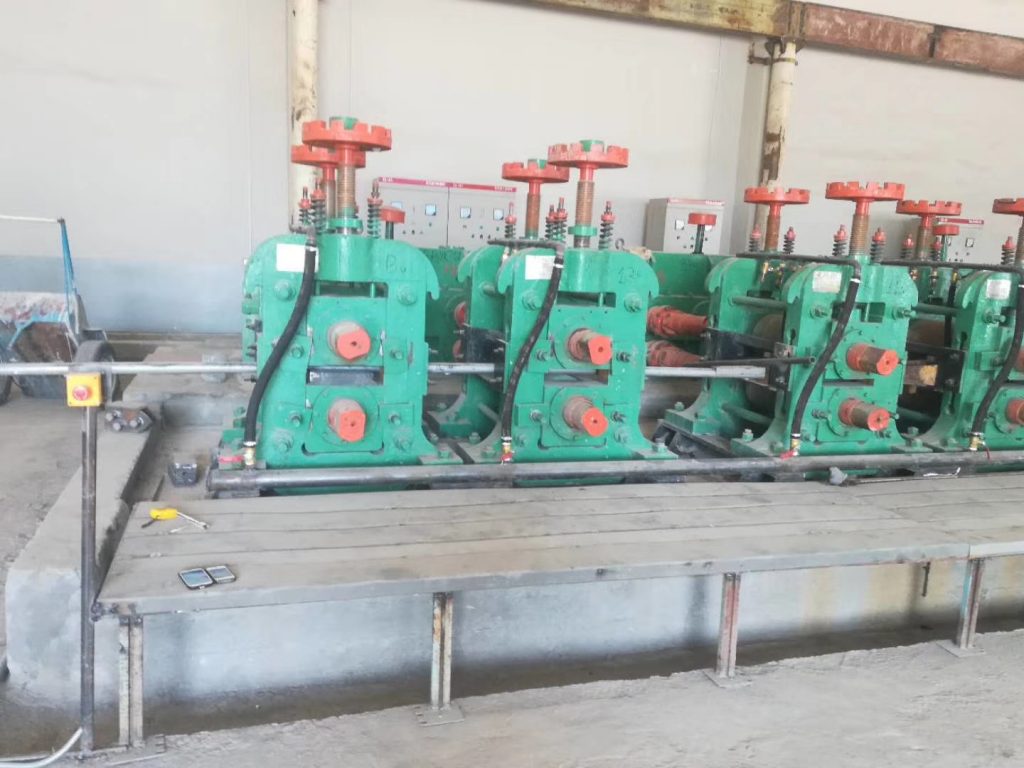
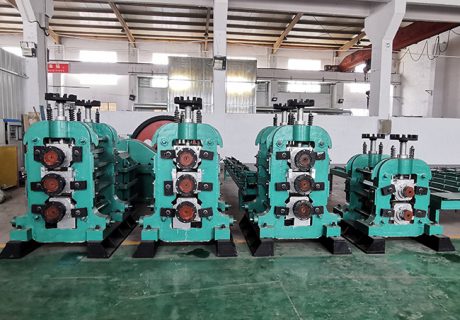
A rolling mill, also known as a steel mill, is a device that realizes the metal rolling process. It mainly uses two rotating rollers to extrude and deform metal materials to obtain materials of various shapes and sizes.
Rolling is the most important production method in metal pressure processing, and rolling mills are also the main pressure processing equipment. The uses of rolling mills include:
Raw materials such as steel billets and aluminum ingots can be rolled into various plates, pipes, profiles (such as angle steel, channel steel, etc.) and wires, etc., to meet the requirements of different industrial fields for the shape and size of metal materials.
Through pressure processing during the rolling process, the grain structure inside the metal is refined, thereby improving the mechanical properties of the material such as strength, hardness, and toughness.
It can achieve continuous and large-scale production, and has higher production efficiency than other processing methods.
Rolling under precisely controlled conditions helps to ensure the dimensional accuracy, surface quality and performance consistency of the product.
Raw materials can be reasonably distributed and processed according to needs to reduce material waste.
In short, rolling mills play a vital role in the field of metal processing and provide high-quality metal materials for many industries.
What are the advantages of rolling mills?
It can achieve continuous and high-speed rolling, greatly improve production efficiency, and is suitable for large-scale industrial production.
The size and shape of the rolled piece can be accurately controlled to ensure the dimensional accuracy and shape accuracy of the product.
Through plastic deformation during rolling, the metal grains are refined and the internal structure of the metal is improved, thereby improving the mechanical and physical properties of the material.
It can effectively reduce processing allowances, reduce material loss, and improve the utilization rate of raw materials.
It can produce various types of plates, pipes, profiles and wires, etc. to meet the needs of different industries and fields.
Modern rolling mills are usually equipped with advanced automatic control systems to facilitate operation and monitoring of the production process, reduce manual intervention, and reduce labor intensity.
In large-scale production, the production cost per unit product is relatively low.
Different performance distribution can be achieved in different parts according to the product's usage requirements.
What is a rolling mill machine?
What is the rolling mill in manufacturing process?
Please send us your request and we reply to you with in 24 hours.



Submit Request