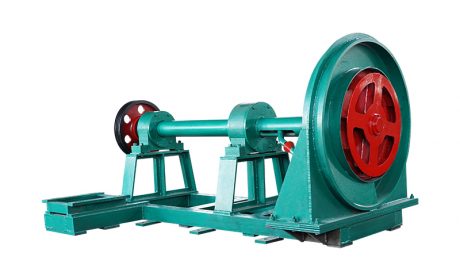
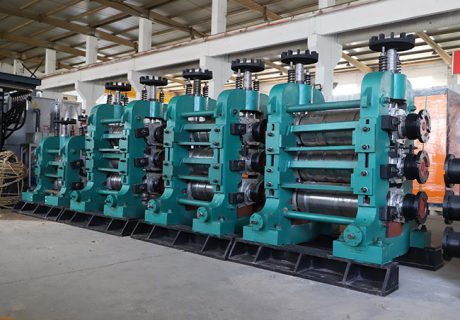
At its core, a rolling mill is a piece of capital equipment designed to reduce the cross-sectional area of a metal workpiece through immense compressive force applied by a set of rotating rolls. Its primary advantages are its formidable rolling force and exceptional efficiency. However, the true value of a modern rolling mill lies in its sophisticated systems working in harmony. A state-of-the-art mill is not just about raw power; it is about precision, control, and, most importantly, uptime.
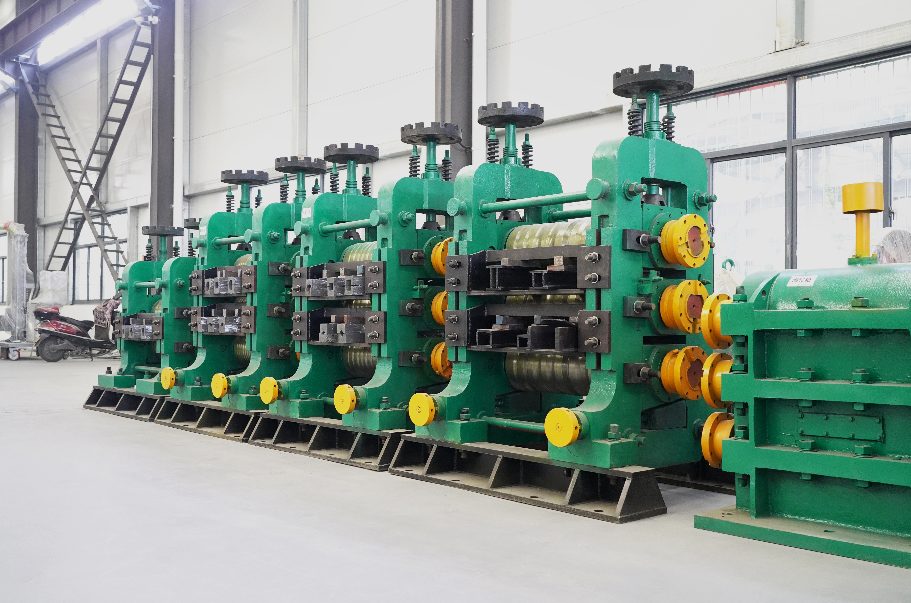
To truly appreciate a rolling mill, one must understand its key systems, as this is where performance is won or lost.
1. The Drivetrain: The Engine of Production
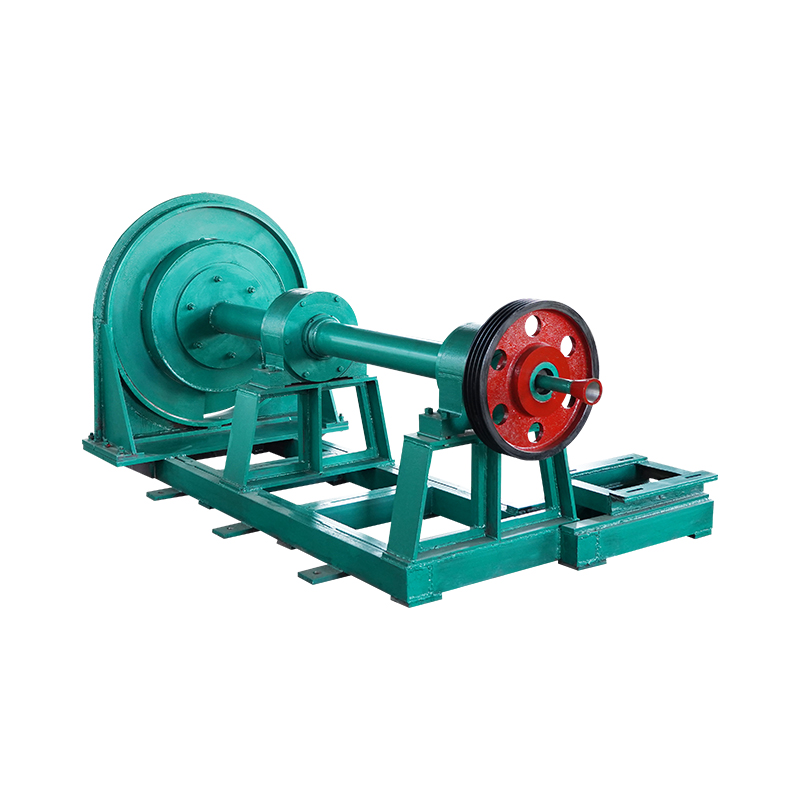
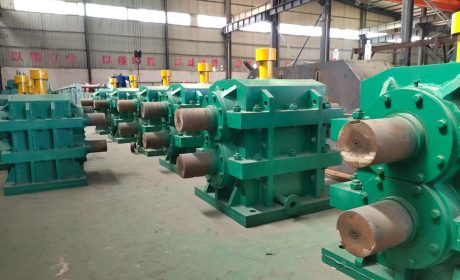
The entire process begins with power. A high-powered motor drives a reducer or gearbox, which then distributes rotational force to the main spindles. These spindles do more than just turn the rolls; they are engineered to withstand the immense impact forces generated during the rolling process while supporting the substantial weight of the rolls themselves. The reliability of this entire drivetrain is the foundation of your mill's performance.
2. The Roll and Guide System: The Point of Contact
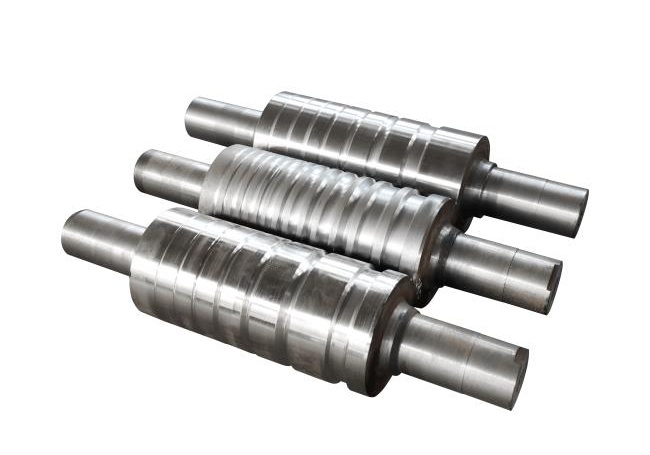
The rolls are the critical point where art meets science. Their quality, material composition, and surface integrity directly dictate the quality of your final product and the overall efficiency of your line. My field experience has consistently shown that investing in high-quality rolls, selected specifically for the hardness and specification of the billets you process, yields a significant return by extending their service life and reducing downtime. Equally important are the guides, which ensure the workpiece enters the roll gap smoothly and accurately. A poorly designed guide system is a frequent cause of unplanned production stops.
3. The Lubrication System: The Lifeblood of the Machine
I have seen more bearing failures caused by inadequate lubrication than by almost any other factor. A rolling mill employs multiple, distinct lubrication strategies. High-contact areas like the work roll bearings and universal joints often use heavy grease lubrication. In contrast, the main gearboxes, motor bearings, and screw-down mechanisms rely on thin oil circulation systems. A design I have seen implemented successfully involves reversing the bearing lubrication flow from an "inside-out" to an "outside-in" process, which drastically reduces contamination from environmental dust and scale.
4. The Cooling and Reclamation System: The Sustainability Angle
A rolling mill uses a significant amount of water, primarily for cooling the rolls and the workpiece. Modern systems, however, view this wastewater not as a disposable byproduct but as a resource. The primary contaminant, iron oxide, can be filtered out. The resulting iron salts are often sold to chemical companies, creating an additional revenue stream. The filtered, weak acid solution can then be fortified with new acid and returned to the workshop for reuse, reducing both water consumption and environmental impact.
| Approach | Key Focus | Primary Advantage | Main Consideration |
|---|---|---|---|
| High-Speed Finishing Mill | Extreme Precision & Speed | High throughput for small-dimension products like wire rod. | Requires exceptionally high-quality components and meticulous maintenance. |
| Conventional Roughing Mill | High Torque & Durability | Robustly handles large initial billet reductions. | Lower precision, designed for bulk material processing. |
| Specialized Profile Mill | Custom Roll Shaping | Produces complex shapes like I-beams or rails. | Roll design and setup are highly complex and product-specific. |
Choosing a rolling mill is a significant capital expenditure. Your selection process should be rigorous and guided by the following criteria.
I propose you view your decision not as buying a single product, but as adopting a production philosophy.
1. The Integrated High-Performance System
This approach is for new installations or complete overhauls. It involves selecting a supplier who can deliver a fully integrated solution, where the drive, rolls, guides, and control systems are all designed to work in perfect harmony. This leads to the highest possible operational efficiency and uptime, especially for high-speed applications. While the initial investment is highest, the long-term return on investment from reduced unplanned downtime is significant.
2. The Strategic Component Upgrade
For those with existing mills, the most cost-effective path is often a targeted upgrade of critical components. Replacing worn-out rolls with higher-quality, more durable ones, upgrading the guide boxes for faster and more reliable threading, or retrofitting a more efficient lubrication system can breathe new life into an older machine and yield substantial performance improvements without the cost of a full replacement.
3. The Proactive Maintenance and Inspection Program
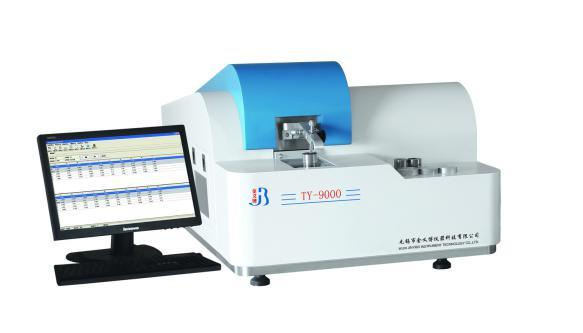
Regardless of the equipment you have, implementing a rigorous, planned maintenance schedule is the most fundamental step to improving efficiency. This includes scheduled inspections of roll and guide wear, regular analysis of lubrication oils, and using modern techniques like ultrasonic analysis to preemptively detect sub-surface cracks in rolls before they lead to catastrophic failure.
The steel industry is built on a foundation of strength and precision. The rolling mill is the embodiment of that principle. By approaching your selection and operation with a deep understanding of the intricate systems at play, you can ensure that your investment becomes a reliable and profitable engine for your business for decades to come.
Please send us your request and we reply to you with in 24 hours.



Submit Request