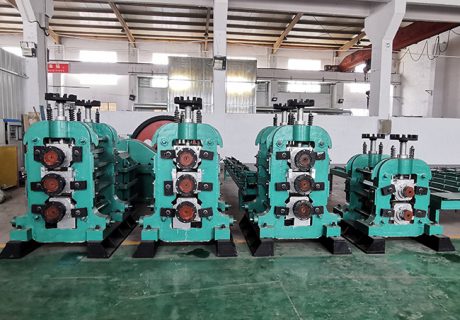
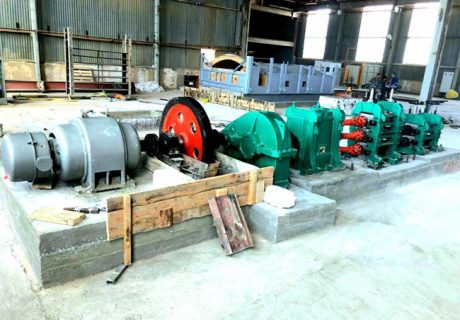
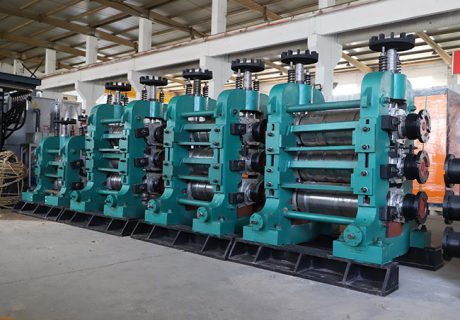
In the metal processing industry, rolling mills (Rolling Mill) as core production equipment directly affect the production efficiency, product quality and market competitiveness of enterprises. With the surge in demand for high-precision and high-strength metal materials in the global manufacturing industry, how to choose a rolling mill with excellent performance, energy saving and environmental protection has become the focus of attention of corporate decision makers. This article will deeply analyze the key elements of rolling mill technology and provide a set of systematic purchase guides to help companies maximize the benefits of equipment investment.
The core value of rolling mills: from basic processes to technological innovation
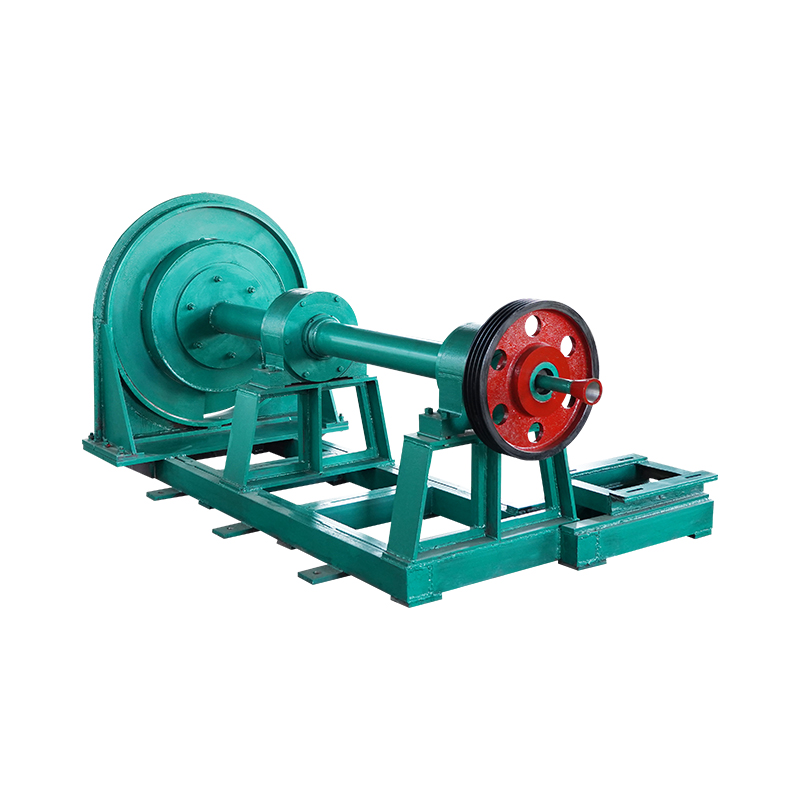
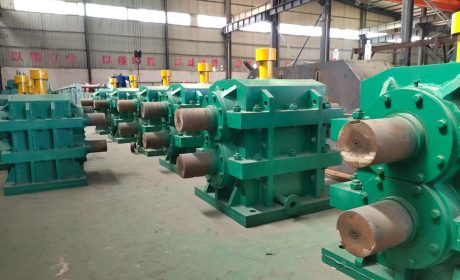
The rolling mill is a key equipment that applies pressure to metal materials through rollers to cause plastic deformation and achieve the target thickness and shape. Traditional rolling mills mostly rely on mechanical transmission, while modern rolling mills have fully integrated digital control, hydraulic servo systems and intelligent sensing technology, becoming a benchmark for intelligent upgrading of the metal processing industry.
Efficiency improvement and cost optimization A high-performance rolling mill can significantly shorten the production cycle. For example, after an automotive sheet supplier introduced a six-roller cold rolling unit, the production capacity of a single production line increased by 40% and the unit energy consumption decreased by 18%. The core lies in the dynamic roll gap adjustment technology, which can respond to material thickness changes within 0.1 seconds and reduce waste generation.
Accurate control of material properties The online monitoring system equipped with high-end rolling mills (such as X-ray thickness gauges and laser flatness detection) can feedback data to the PLC control center in real time. A case study of aerospace titanium alloy sheet production shows that through a closed-loop control system, the product thickness tolerance is stable within ±0.005mm, far exceeding the industry standard.
Adapt to diversified production needs The modular design of modern rolling mills supports rapid replacement of roll systems. Taking an aluminum processing company as an example, the same rolling mill can switch from producing 0.3mm ultra-thin aluminum foil to manufacturing 5mm thick plates within 2 hours by switching the roll group configuration. The flexibility has greatly expanded the company's order acceptance capacity.
Six core evaluation dimensions for selecting rolling mills
Faced with dozens of rolling mill models on the market, enterprises need to make comprehensive evaluations from the perspectives of technical parameters, process adaptability, and long-term operation and maintenance costs. The following are key decision points:
Roller system configuration and material adaptability Two-roller/four-roller/six-roller structure selection: Two-roller rolling mills are suitable for rough processing of low-strength metals (such as copper and aluminum); four-roller rolling mills can process medium and high carbon steels with the support roll design; six-roller rolling mills are suitable for difficult-to-deform materials such as stainless steel and titanium alloys through the intermediate roll offset technology.
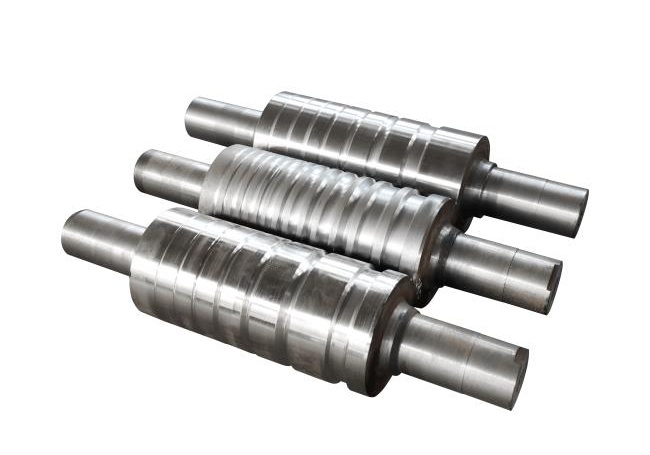
Comparison of working roll materials: High-chromium steel rolls (hardness HRC 6265) are suitable for conventional production, while tungsten carbide rolls (hardness HRA 90 or above) have a cost increase of 3 times, but their life is extended by 58 times, which is suitable for high-precision continuous rolling.
Drive system and energy efficiency level Traditional gear transmission vs. direct drive motor: Direct drive technology eliminates the gap in the transmission chain, increases the dynamic response speed by 30%, and reduces maintenance costs. After the transformation, a steel plant saved more than 1.2 million yuan in electricity bills annually. Regenerative braking energy recovery: Advanced rolling mills can convert 80% of the kinetic energy during braking into electrical energy to feed back to the power grid, and a single device can save up to 150,000 kWh of electricity annually.
Intelligent control level Basic automation (L1) to process optimization (L2): L1 level realizes closed-loop control of speed and pressure; L2 level predicts rolling force fluctuations through AI algorithms, and in one case, the yield rate was increased from 92% to 97%.
Remote diagnosis and predictive maintenance: Equipment with integrated IoT modules can warn of faults such as bearing wear 30 days in advance, reducing unplanned downtime losses.
Environmental compliance and sustainable development Oil mist collection efficiency: The EU CE standard requires a filtration efficiency of ≥99%. Compared with traditional electrostatic dust removal, the operating cost of the centrifugal oil mist recovery system is reduced by 40%. Noise control: The damping alloy frame + soundproof cover design can reduce the working environment noise from 105dB(A) to 82dB(A), meeting OSHA standards.
Supplier technical support capabilities On-site process commissioning service: High-quality suppliers provide 12 weeks of on-site commissioning to ensure seamless integration of equipment with existing production lines. In one case, after the commissioning team optimized the rolling procedures, the product qualification rate increased by 11%. Spare parts supply network: Choosing suppliers with a 4-hour response spare parts warehouse in major industrial areas can reduce downtime waiting losses.
Total life cycle cost (TCO) model Initial investment vs. 10-year operation and maintenance costs: An analysis shows that high-priced imported rolling mills have low energy consumption and low failure rates, and their 5-year comprehensive costs are 18% lower than those of domestic equipment. Residual value assessment: The resale price of European brand rolling mills can reach 25%-30% of the original price after 10 years of use, which is much higher than the industry average.
III. Industry application scenarios and successful case analysis
Case 1: New energy battery foil production A lithium battery material company purchased a 1450mm six-roller cold rolling mill, equipped with nano-ceramic coated working rolls, to achieve stable mass production of 6μm copper foil. Through precise control of rolling oil temperature (±1℃), the surface roughness Ra≤0.2μm meets the requirements of high-end current collectors, and the annual new orders are 230 million yuan.
Case 2: Continuous rolling of special steel strips The twenty-roller Sendzimir rolling mill using CVC roll shape technology successfully rolled out 0.05mm ultra-thin oriented silicon steel strips. Through magnetic domain refinement control, iron loss is reduced to 0.85W/kg (P1.7/50), which helps upgrade the energy efficiency of transformers.
IV. Future trends: disruptive innovation of rolling mill technology
Digital twin and virtual commissioning: Simulate the rolling process in a virtual environment, and shorten the equipment production cycle by 60%.
Ultra-high-speed rolling technology: The rolling mill roller speed supported by magnetic suspension bearings exceeds 2500m/min, and the production efficiency has achieved a leap in magnitude.
Green manufacturing integration: The photovoltaic direct-drive rolling mill system has been operated in the pilot plant, with a comprehensive carbon emission reduction of 45%.
V. Action Guide: Three Steps to Lock in the Best Procurement Plan
Demand Diagnosis: Organize the process, equipment, and financial teams to sort out material specifications, production capacity targets, and investment budgets.
In-depth evaluation of suppliers: Require manufacturers to provide on-site inspections of similar customers and measure the equipment OEE (overall equipment efficiency).
Risk hedging strategy: Adopt a financial lease + performance betting agreement, with a down payment of 30% and the balance paid in installments based on the actual production rate.
At a time when competition in the metal processing industry is fierce, choosing a rolling mill that is highly compatible with the development of the enterprise is not only about short-term capacity improvement, but also a strategic decision to build long-term technical barriers. Through the systematic analysis of this article, enterprises can establish a scientific evaluation framework to avoid risks in equipment procurement and maximize the return on investment.