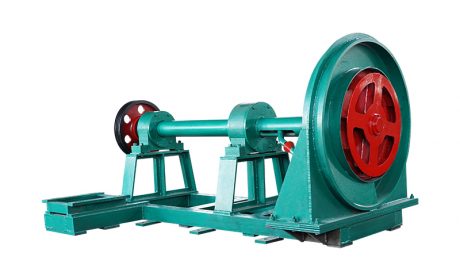
Under the wave of global manufacturing transformation: How to choose a cost-effective rolling mill equipment?
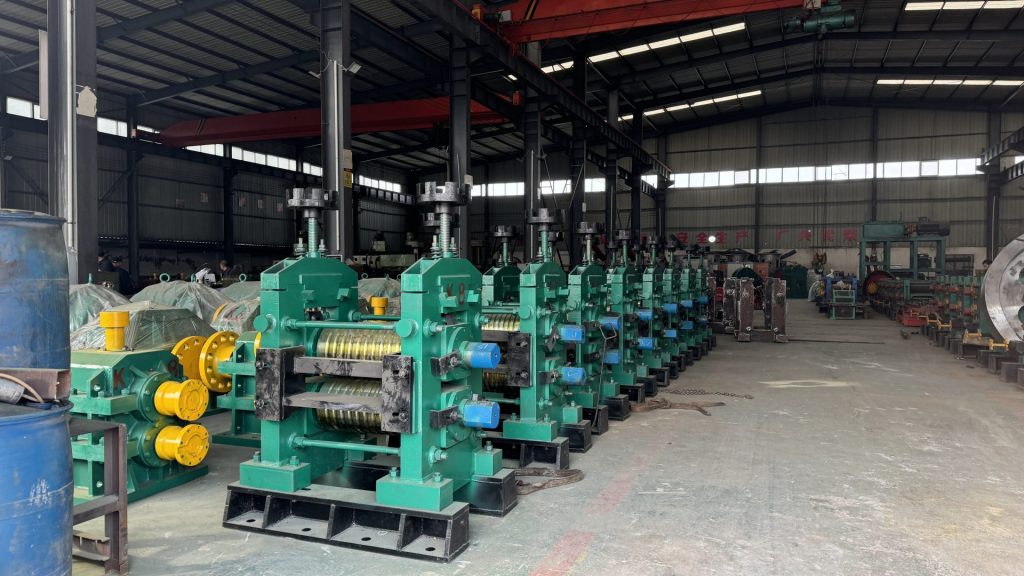
In 2023, the global metal processing market is expected to exceed 1.2 trillion US dollars. As the core equipment in the field of metal forming, the market demand for rolling mills is continuing to heat up with the explosive growth of high-end manufacturing industries such as new energy vehicles and aerospace. When you search for "rolling mill for sale", you may see a wide range of equipment parameters and quotation lists, but in this red ocean market, the real value selection is far more than just price comparison.
A Jiangsu stainless steel company once purchased an Italian-made twenty-roll rolling mill for the production of 0.3mm thin plates, but it was frequently shut down due to the mismatch between the raw material coil weight and the equipment's load-bearing capacity. It is recommended to establish a three-dimensional evaluation model: horizontal comparison of material properties (strength, ductility), vertical consideration of product specification span, and vertical dimension evaluation of production capacity fluctuation range.
The electromagnetic induction heating rolling mill newly developed by SMS Group in Germany saves 27% energy compared with resistance heating. Based on an annual output of 500,000 tons, the price difference cost of 3 million US dollars can be recovered in three years. When purchasing, a full life cycle cost model should be constructed to take into account hidden costs such as energy, maintenance, and labor.
When an aluminum processing plant in Shandong purchased a second-hand Sendzimir rolling mill, it specifically required an OPC UA communication protocol interface, which saved 60% of the transformation cost when installing an AI plate shape control system later. IoT readiness (Rolling mill) has become an essential gene for modern rolling mills.
When the Russian-Ukrainian conflict extended the delivery time of European servo motors to 18 months, a steel plant in Tangshan that established spare parts inventory in advance avoided a production stoppage loss of 20 million yuan per day. It is recommended to draw a supply chain map of key components and establish a dual-source or even three-source supply system.
The EU's upcoming carbon border adjustment mechanism (Rolling mill) requires importers to declare product carbon emission data. Choosing rolling mill equipment equipped with an energy management system can reduce the carbon footprint accounting cost per ton of steel by 15%.
Please send us your request and we reply to you with in 24 hours.



Submit Request