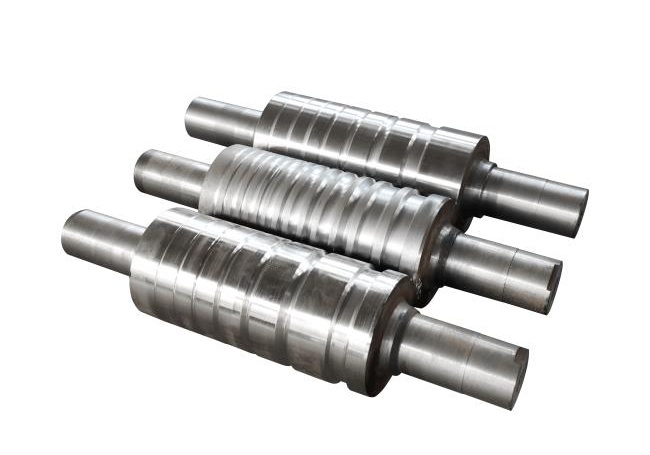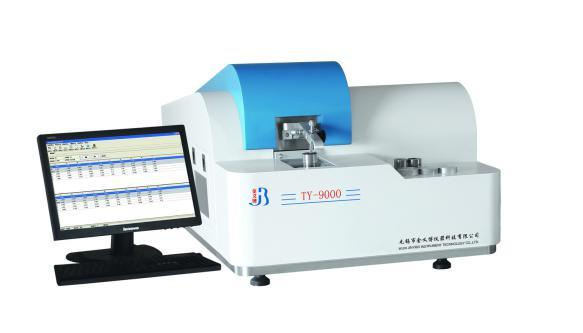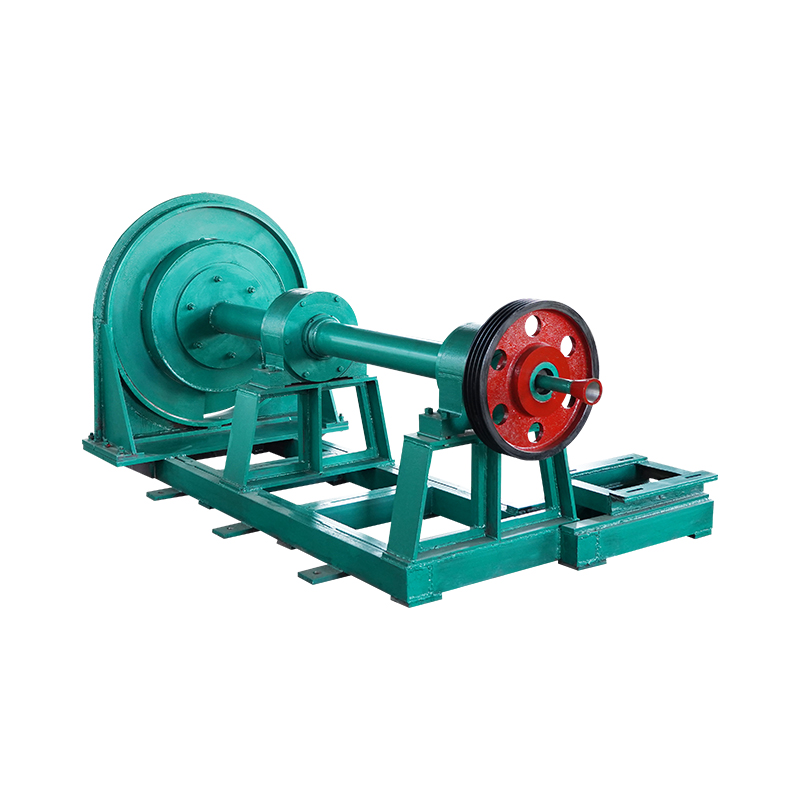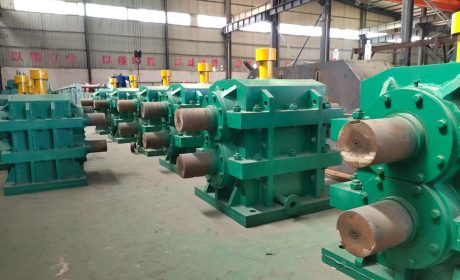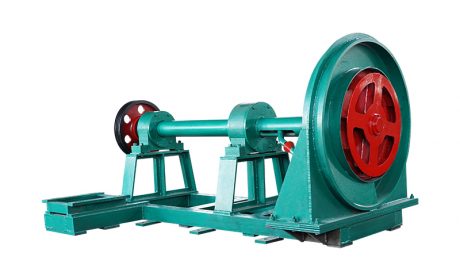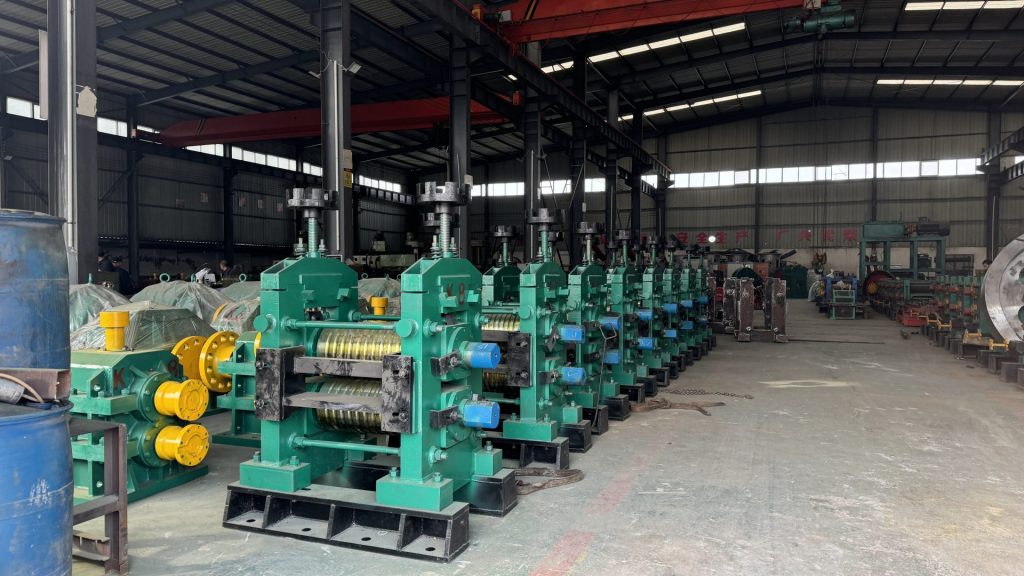
Investing in a rolling mill machine is a significant decision for metalworking businesses, manufacturers, and industrial workshops. Whether you're shaping steel, aluminum, copper, or precious metals, understanding what influences the rolling mill machine price can help you make smarter, budgetfriendly decisions without compromising on quality or productivity.
A rolling mill machine is used to reduce the thickness of metal sheets or reshape metal by applying compressive force through rollers. Common applications include:
Sheet metal production
Wire flattening
Jewelry making
Metal fabrication
Industrialgrade bar and rod shaping
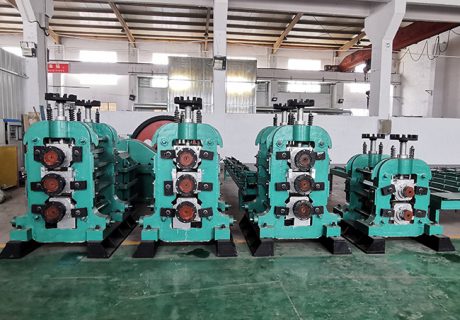
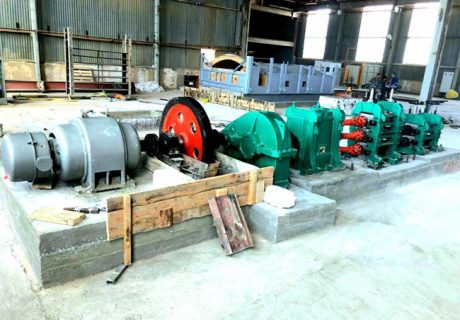
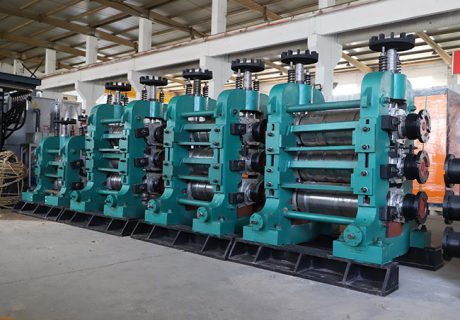
Rolling mills are available in various configurations such as 2high, 4high, cluster, and tandem mills—each designed for different operational needs.
Understanding the components that determine cost can help you identify the best value in your price range. Key pricing factors include:
💡 Manual benchtop machines for smallscale or jewelry use may start as low as \$500, while industrial hot rolling mills can exceed \$50,000 depending on specs.
Larger machines with higher pressure tolerance naturally cost more due to their heavyduty construction and advanced mechanics.
Machines made with highquality materials offer better durability, which can affect longterm cost of ownership.
Advanced automation increases price but improves consistency and labor efficiency.
The rolling mill machine price you pay is about more than just the machine—it’s about the longterm return on investment. Choosing the right machine based on your production goals and working with a reliable manufacturer ensures consistent performance, durability, and scalability.
Please send us your request and we reply to you with in 24 hours.



Submit Request