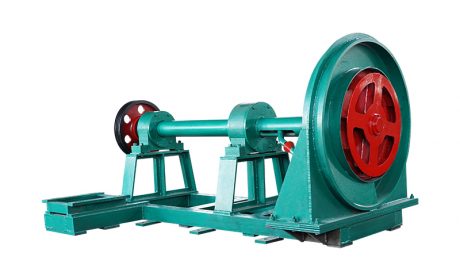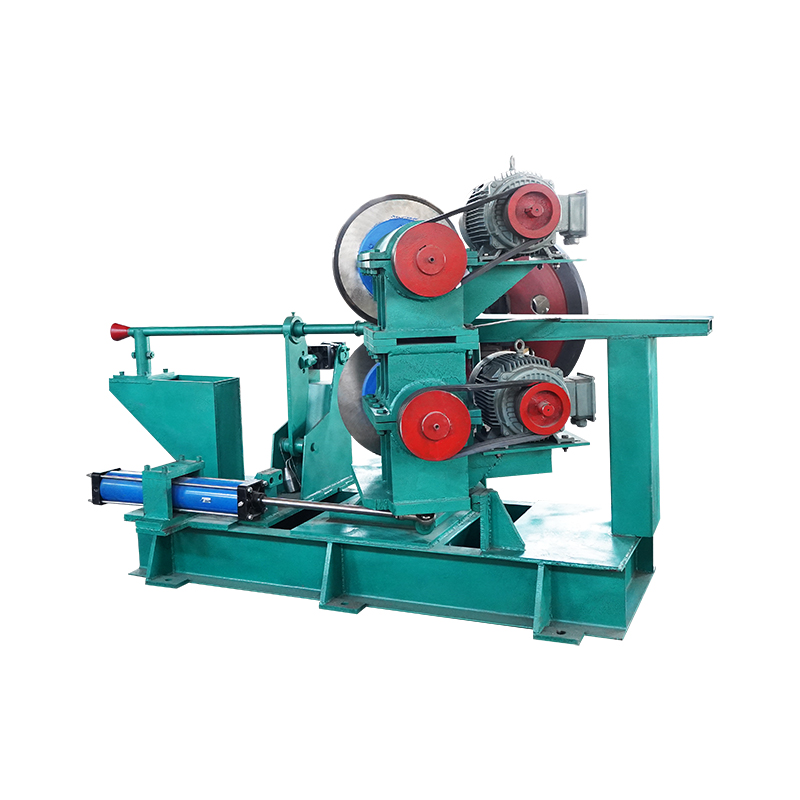
In many metal processing plants, the rolling mill is the heart of the entire operation.
Yet surprisingly, it is often purchased as if it were just another piece of equipment.
For experienced plant owners and steel mill managers, this mindset usually changes after the first few years of operation.
A rolling mill does not simply shape metal. It determines:
Once installed, a rolling mill defines your production capability for the next 10 to 20 years. That is why serious manufacturers evaluate rolling mills through a value-driven lens, not a price comparison table.
When we speak with rolling mill investors, their concerns go far beyond technical brochures.
They usually focus on:
A rolling mill that looks economical on day one can become a financial burden if it causes frequent stoppages, excessive maintenance, or unstable product quality.
For owners and general managers, the real question is not “How much does the rolling mill cost?”
It is “How much does this rolling mill cost me every year it operates?”
Downtime is rarely priced correctly during procurement.
Every unexpected stop in a rolling mill can lead to:
From experience, even small improvements in rolling mill reliability can deliver dramatic financial impact over time.
A well-engineered rolling mill reduces downtime through:
Reducing unplanned downtime is often the fastest way to improve overall plant profitability without increasing capacity.
Energy consumption in rolling mills is not only about motors and drives.
It is about how the entire system is designed and integrated.
An efficient rolling mill contributes to lower energy cost by:
For factory owners, lower energy consumption means:
Over years of operation, energy efficiency often delivers more financial value than aggressive production capacity claims.
Technical directors and engineering managers evaluate rolling mills from a different perspective.
Their priorities usually include:
A rolling mill that requires constant manual correction or frequent component replacement quickly becomes a bottleneck.
Well-designed rolling mills simplify operation, allowing technical teams to focus on optimization rather than firefighting.
Procurement decisions driven purely by price often ignore lifecycle cost.
Common consequences include:
These hidden costs rarely appear in initial quotations, but they accumulate year after year.
This is why procurement managers focused only on initial price are not the ideal decision-makers for rolling mill projects.
Successful projects align ownership, management, and technical teams around total cost of ownership.
A rolling mill never works alone.
Its performance depends on integration with:
Manufacturers with real plant experience understand how these systems interact.
They design rolling mills that fit into production flows instead of disrupting them.
System-level thinking improves:
This is something that cannot be achieved through catalog-based equipment selection.
A rolling mill is a heavy-duty, long-life industrial system.
Suppliers with real manufacturing capability offer advantages such as:
These capabilities reduce project risk and improve long-term reliability.
Trading-only suppliers often lack this depth, which becomes visible after commissioning.
For international customers, the quality of support often matters as much as the quality of equipment.
Key factors include:
A rolling mill is not a short-term project.
Export experience ensures that customers are not left alone once production begins.
Professional rolling mill suppliers view after-sales service as part of the system.
This includes:
Strong after-sales support reduces operational risk and protects the customer’s capital investment.
Without service, even the best-designed rolling mill will underperform.
Return on investment for a rolling mill comes from multiple sources:
The most successful rolling mill projects focus on stability and predictability, not short-term output spikes.
For owners and CFO-level decision-makers, predictable performance is the foundation of sustainable ROI.
A rolling mill decision shapes your plant’s competitiveness for years.
The right partner offers:
This partnership approach consistently delivers better results than transactional purchasing.
A rolling mill should not be judged by brochures or quotations alone.
It should be evaluated by how it performs under real production conditions — year after year.
For factory owners and technical leaders who value stability, controlled costs, and long-term ROI, the right rolling mill becomes a competitive advantage, not just a machine.
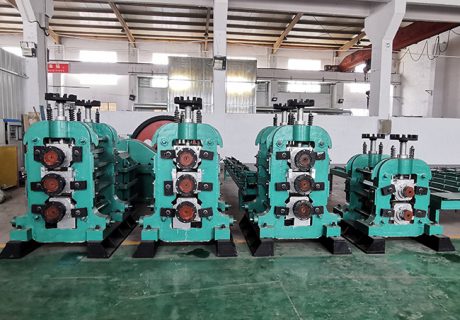
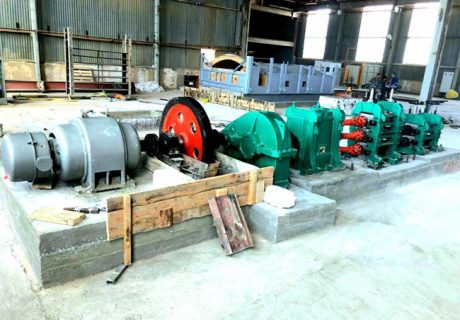
Please send us your request and we reply to you with in 24 hours.



Submit Request