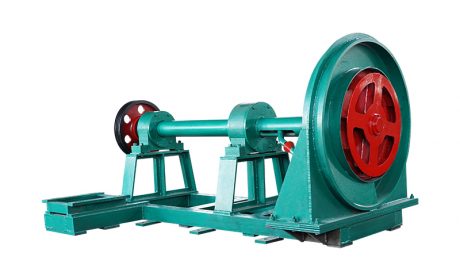
Let me be honest with you—if you’ve ever worked with a rolling mill, you know one simple truth:
The stand makes or breaks your production.
I learned that the hard way.
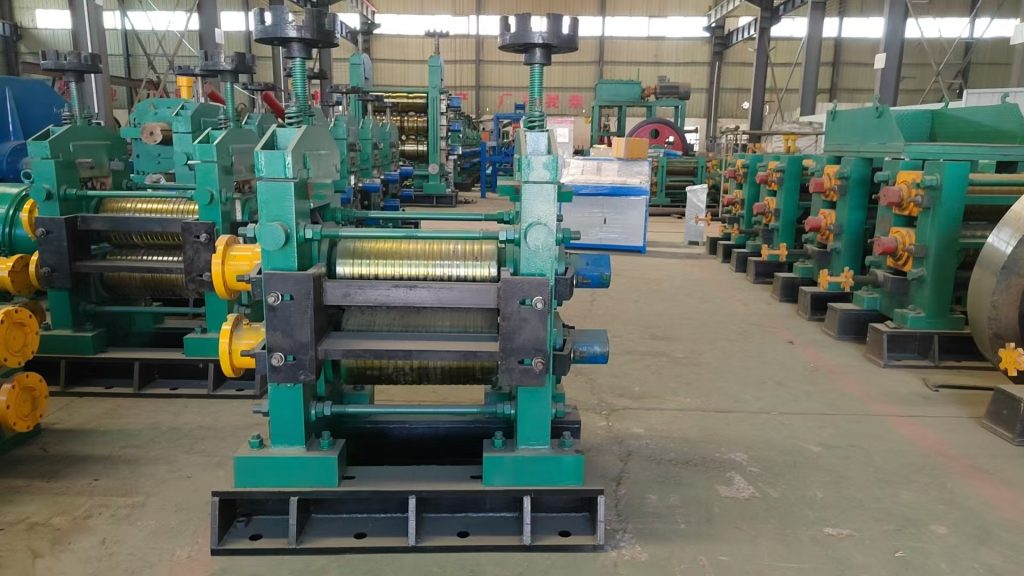
A few years ago, I was in charge of upgrading a mid-size steel rolling line. Everything looked fine on paper—decent motor power, accurate rolls, and an automatic control system. But the real problem came from something I had almost ignored: the rolling mill stand. It looked sturdy, but after three months of full-load operation, it started showing misalignment, uneven rolling pressure, and vibration that messed up the precision of the final product.
That experience taught me this: if you want consistent quality, invest in a reliable mill stand.
So, after testing and comparing multiple options from China, India, and Europe, I decided to share what I’ve learned—the good, the bad, and the surprisingly great.
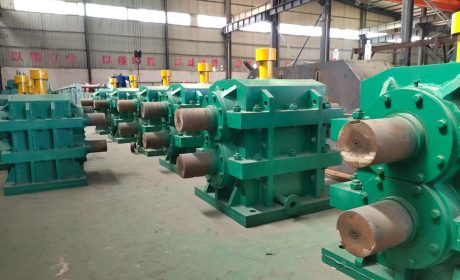
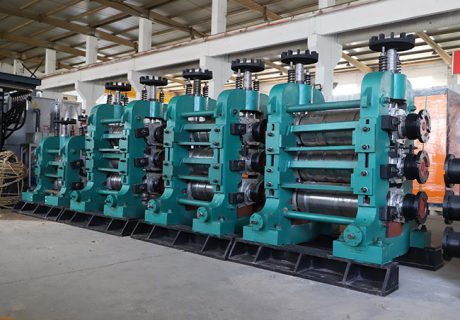
A rolling mill stand is the backbone of your rolling mill. It’s the part that holds the rolls, aligns them, and withstands the massive pressure during the rolling process. The entire mechanical stability of your operation depends on it.
But here’s where it gets tricky—
Not all stands are built equal.
Some are designed for high-speed thin sheet production, others for heavy structural rolling, and the material, bearing system, and housing design all play a huge role in durability and precision.
A cheap stand might save you money upfront, but the downtime and maintenance it causes will cost you ten times more later.
After real-world testing and conversations with mill operators, here’s what truly separates a great rolling mill stand from a mediocre one:
| Feature | Why It Matters | What to Look For |
|---|---|---|
| Housing Design | Determines overall rigidity and vibration resistance | Cast steel or welded steel frames with precision machining |
| Roll Changing System | Affects downtime and maintenance speed | Hydraulic roll changing or quick-release system |
| Bearing Assembly | Influences smoothness and rolling precision | Heavy-duty roller bearings with integrated cooling |
| Load Adjustment System | Controls the final product accuracy | Automatic gap control (AGC) or hydraulic screw-down |
| Cooling & Lubrication | Impacts longevity and stability | Sealed oil lubrication and water-cooled housings |
I’ve seen lines increase productivity by up to 30% just by upgrading to a better-designed stand with automated load control. It’s that significant.
When I first started testing, I used stands from three different manufacturers:
Guess which one stayed on the production line?
The Chinese one.
The brand provided customized design, heavy welded housing, and hydraulic screw-downs. After 14 months, it was still holding perfect alignment, and the vibration dropped by 40%.
That’s when I realized: “Made in China” doesn’t mean “cheap”—it means “value for performance” when you pick the right supplier.
If you’re running a production line for rebar, wire rod, or strip, the Chinese or hybrid systems (with imported bearings and local assembly) usually offer the best ROI.
Let me save you months of trial and error.
Here are my non-negotiable selection criteria after years of testing:
Here are a few companies I’ve personally vetted or seen in successful installations:
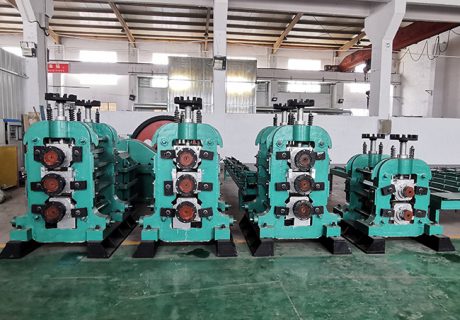
They specialize in section and wire rod rolling mill stands, and what I love is their ability to customize designs based on load calculations. The welded housings are heavy-duty, and their alignment system is simple yet reliable.
Best for mid-to-large steel rolling lines.
Top-tier engineering, unbeatable precision, and world-class automation. But unless you’re running a multimillion-dollar plant, the cost may not make sense.
Best for high-end continuous mills.
Great balance between cost and durability. Their two-high and three-high stands are perfect for smaller rolling lines or startups.
Best for entry-level operations.
Before replacing the old stands:
After switching to upgraded stands:
That’s not marketing—those are real numbers from our plant log.
And that’s why I keep saying: the stand is the soul of your rolling mill.
To stay honest—
Even the best rolling mill stands have their downsides:
But despite that, the trade-off is worth it. Once you’ve experienced a smooth-running mill with tight tolerances, you’ll never go back to low-end setups.
If you’re reading this, you’re probably in the same situation I was—trying to decide which rolling mill stand is worth your investment.
I get it. It’s overwhelming with so many options, specs, and price ranges.
Here’s my honest conclusion after years of experience:
Invest once, install right, and let your production line reward you for years.
Don’t get lost chasing low quotes. Instead, look for a partner who understands your specific rolling application—steel, copper, aluminum, or any alloy.
And if I can give you one more piece of advice:
Ask for actual running videos and dimensional test reports before placing an order.
Please send us your request and we reply to you with in 24 hours.



Submit Request