From skyscrapers piercing clouds to earthquakeresistant bridges, steel bar production forms the literal backbone of global infrastructure. Often called rebar (reinforcing bar), this ribbed steel transforms brittle concrete into a composite material capable of withstanding immense tension. Behind every construction marvel lies a sophisticated manufacturing process marrying metallurgical science with industrial precision.
Steel bar production process
Why Steel Bars Dominate Construction Steel bars deliver unmatched: Tensile Strength: Resists pulling forces that cause concrete to crack (>500 MPa yield strength). Thermal Expansion Compatibility: Matches concrete’s expansion/contraction rate. Cost Efficiency: 2030x stronger than concrete alone at minimal volume ratio (18% by weight). Ductility: Absorbs seismic energy through controlled deformation.
Rebar manufacturing steps
The Production Process: From Ore to Megastructure
Raw Material Selection Primary Route (BFBOF): Iron ore → Blast furnace → Molten iron → Basic Oxygen Furnace (BOF) → Steel alloying. Recycling Route (EAF): Scrap steel (85100%) → Electric Arc Furnace → Liquid steel (↑ sustainability). Global Trend: EAF share rose to 29% of production (2023), driven by carbonreduction goals.
Continuous Casting: Shaping the Future Molten steel (1,500°C) transforms into semifinished billets: Key Equipment: Tundish → Watercooled copper molds → Secondary cooling zone → Cutting torch. Critical Parameters: Casting speed: 1.84 m/min Crosssection: 130x130 mm to 160x160 mm (standard billet sizes) Quality Focus: Electromagnetic stirring minimizes segregation → uniform microstructure.
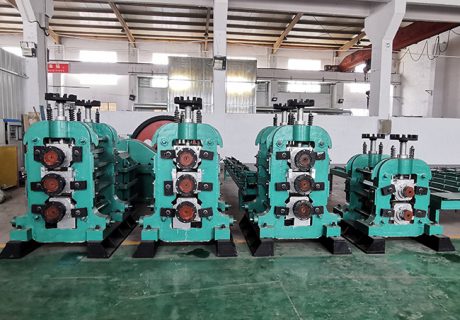
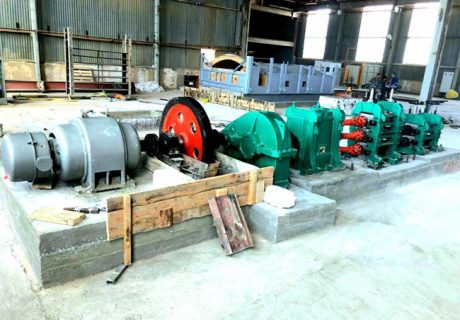
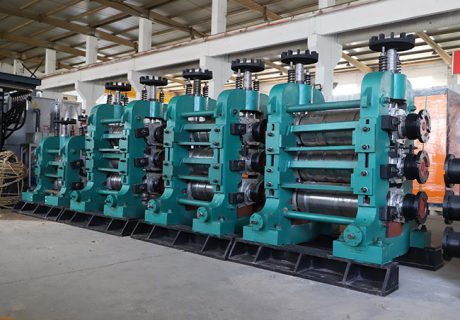
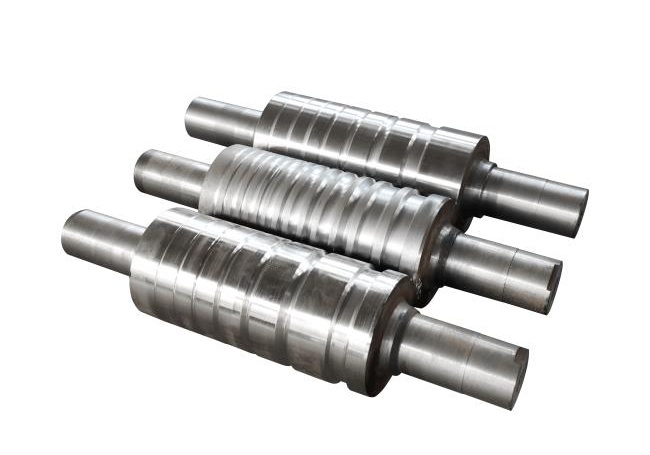
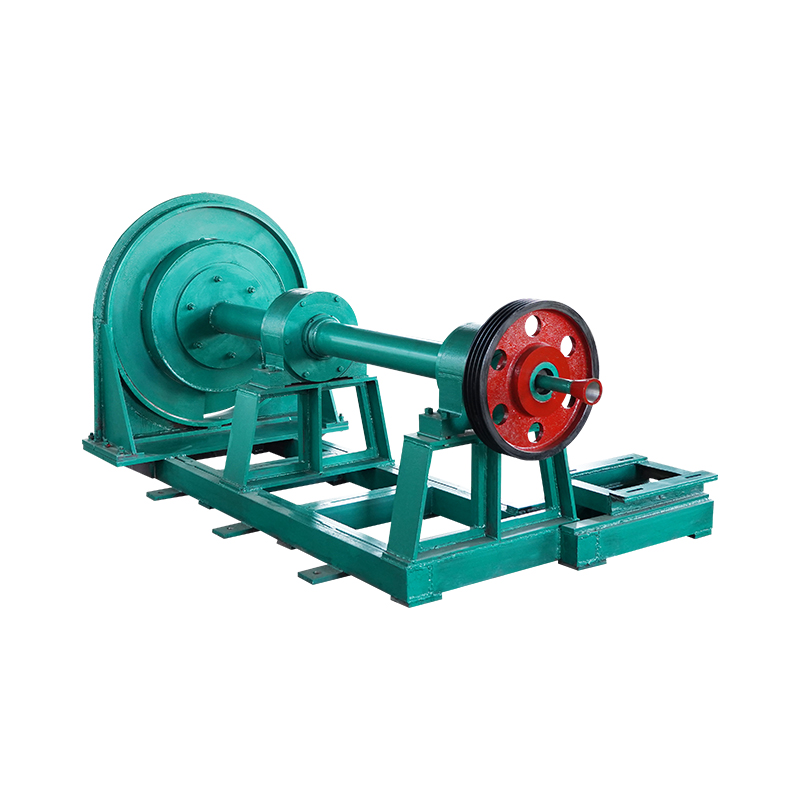
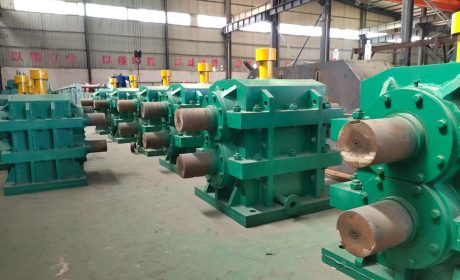
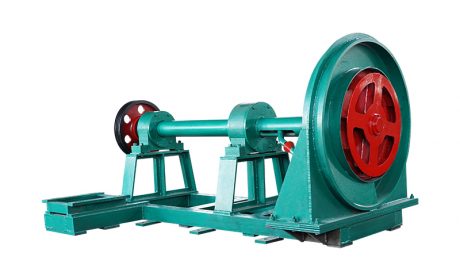
Hot Rolling: Forging Strength Billets reheated to 1,200°C undergo plastic deformation in rolling mills: | Mill Type | Function | Output Effect | |||| | Roughing Mill | Reduces billet thickness 3050% | Forms initial profile | | Intermediate Mill | Further crosssection reduction | Refines dimensions | | Finishing Mill | Final sizing & rib pattern imprinting | Creates surface deformations | Ribbing Technology: Grooved rolls imprint transverse ribs (↑ concrete bond strength by 300% vs smooth bars). ThermoMechanical Treatment (TMT): Rapid water quenching after rolling forms hard martensite surface + ductile ferritepearlite core – eliminating need for heat treatment.
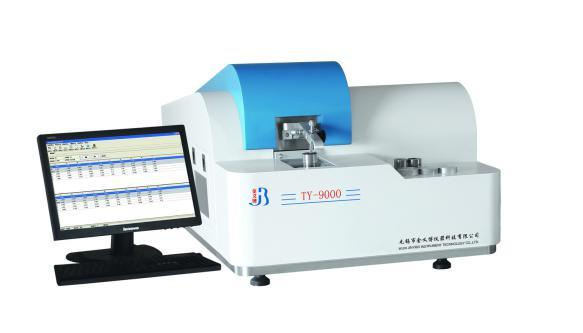
Automated Quality Assurance Laser Gauging: Realtime diameter monitoring (±0.1 mm accuracy). Tensile Testers: Verify yield strength (YS), ultimate strength (UTS), elongation (≥12%). Bend/Rebend Tests: Ensure ductility (180° bending without cracking). Technical Innovations Reshaping the Industry
HighPerformance Alloys CorrosionResistant Rebars: EpoxyCoated: Costeffective for moderate environments. Stainless Clad: Carbon steel core + 316L stainless layer (↑ lifespan in coastal zones). Microcomposite Steel (MMFX): 2x corrosion resistance vs ASTM A615. HighStrength Grades: Grade 75 (520 MPa) and Grade 80 (550 MPa) reduce rebar tonnage by 1520% in megaprojects.
Smart Manufacturing 4.0 AIPowered Process Control: Predictive algorithms adjust rolling parameters based on billet temperature heterogeneity. Blockchain Traceability: Each bundle tagged with QR code linking to chemical composition, mill certificate, and production history. Digital Twins: Simulate rolling mill stresses to prevent downtime (↓ maintenance costs by 25%).
Green Steel Initiatives HydrogenBased DRI: Replaces coke in EAFs → cuts CO₂ emissions by 95% (HYBRIT project). CCUS Integration: Carbon capture systems in BOF plants (e.g., China Baowu’s 500,000ton/year project). Scrap Optimization: AI sorting boosts EAF scrap purity → reduces energy to 400 kWh/ton (vs 600 kWh avg). China’s Global Leadership: Speed Meets Precision China produces ~260 million tons/year (55% of global rebar), driven by: MegaScale Mills: Fully continuous lines outputting 10,000 tons/day (e.g., HBIS Chengsteel). Automation Dominance: Robotic billet handling, automated packaging, and AGV logistics.