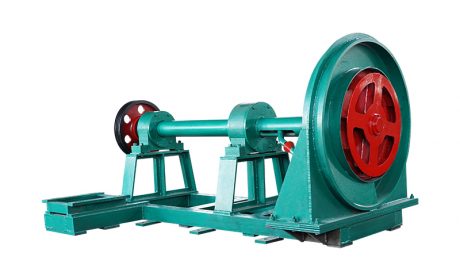
When searching for a steel mill for sale, most experienced investors and steel plant owners are not simply looking to buy equipment.
They are evaluating a long-term industrial asset that will define operating cost, production stability, safety risk, and return on capital for the next 10 to 20 years.
In real projects, the biggest losses rarely come from paying “too much” for a steel mill.
They come from underperforming plants, unexpected shutdowns, energy inefficiency, and lack of technical or after-sales support—especially in overseas operations.
This article explains how steel mills should be evaluated from a total cost of ownership (TCO) and long-term ROI perspective, based on how steel plants actually operate, not how they are marketed.
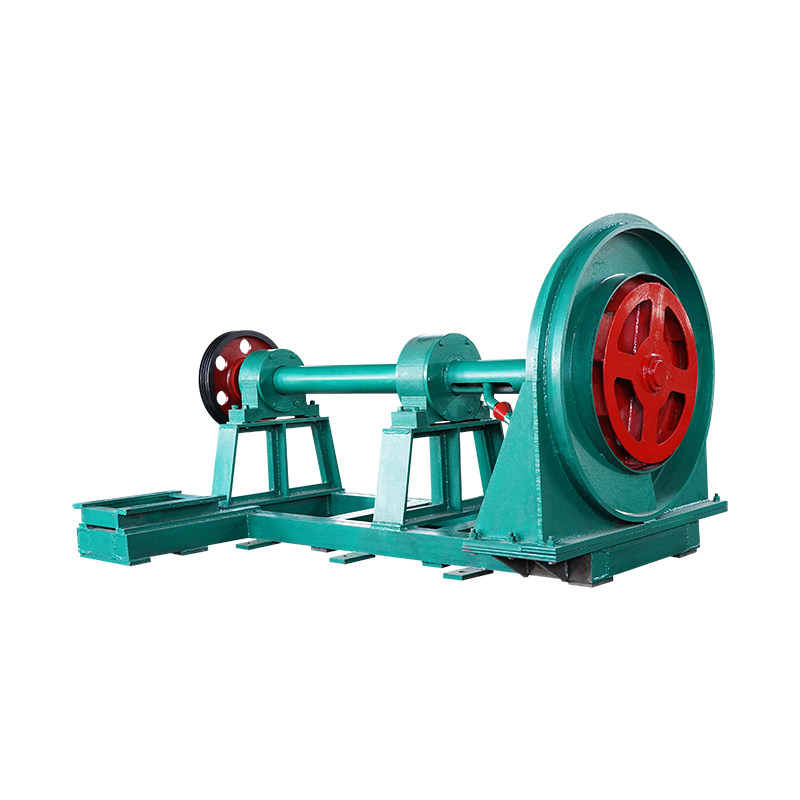
A steel mill for sale is not just a collection of furnaces, rolling lines, and auxiliary equipment.
It is an integrated production system, where each component affects:
Many buyers focus heavily on headline capacity figures. Experienced operators look deeper:
How consistently can this plant deliver its rated output under real operating conditions?
That difference determines profitability.
In steelmaking, upfront investment is only one part of the equation.
Over the lifecycle of a steel mill, costs are dominated by:
A steel mill with poor thermal efficiency or unstable operation can easily cost millions more over its lifetime than a better-engineered solution.
That is why serious buyers evaluate TCO, not just CAPEX.
Many steel mills are advertised with impressive nominal capacities.
In reality, actual output depends on:
Unstable production leads to frequent stoppages, quality deviations, and delivery delays.
For steel plant owners, even short unplanned shutdowns can mean:
A well-designed steel mill prioritizes continuous, predictable production, not just peak performance.
Energy typically accounts for a significant portion of steel production cost.
Differences in furnace design, insulation systems, and process control can result in double-digit percentage gaps in energy consumption per ton.
Key factors that influence real-world energy efficiency include:
Over years of operation, energy-efficient steel mills consistently outperform lower-cost alternatives in both margin and stability.
From a technical director’s perspective, steel quality is not only about meeting specifications.
It directly affects:
Steel mills with precise temperature control, stable metallurgy, and predictable process parameters produce:
This level of control reduces hidden losses that are often overlooked during initial purchasing decisions.
Modern steel mills must operate under increasingly strict safety and environmental regulations.
Non-compliance leads to:
A properly engineered steel mill integrates safety into its design, including:
For owners and investors, safety is not a cost—it is risk mitigation.
Not all suppliers offering a steel mill for sale have real steelmaking experience.
Some assemble equipment. Others design plants based on operational knowledge.
Factories with genuine metallurgical and project experience understand:
This experience translates into steel mills that are easier to operate, maintain, and scale.
For overseas buyers, the greatest uncertainty often begins after commissioning.
Common issues include:
A reliable steel mill partner provides:
Without this support, even a technically sound steel mill can become a financial burden.
Steel mill investments are capital-intensive.
Experienced investors prioritize:
A steel mill that delivers consistent output and controlled costs often achieves a shorter and safer payback period, even if initial investment is higher.
Uncertainty is the true enemy of ROI.
Before making a decision, serious buyers typically confirm:
These questions separate transactional purchases from strategic investments.
A steel mill for sale should not be evaluated as a one-time transaction.
It is a long-term operational commitment that demands reliability, experience, and support.
Buyers who focus on total cost, stability, and partnership consistently achieve stronger margins and lower risk over time.
Please send us your request and we reply to you with in 24 hours.



Submit Request