In the steel rebar production industry, the efficiency and quality of output depend not only on the core rolling mill but also on the reliability of its auxiliary equipment. These support systems — cooling beds, shearing machines, and heating furnaces — are the backbone of a smooth, cost-effective, and high-volume rebar production line. For international buyers and plant managers, selecting the right auxiliary systems is crucial to achieving both production efficiency and long-term profitability.
This guide provides a detailed overview of these key systems, explaining their functions, integration benefits, and decision factors for global B2B steel mill buyers.
Role in the Production Line:
The cooling bed is where hot rolled rebars are gradually cooled to ensure structural integrity and to prevent deformation. An advanced cooling bed ensures uniform cooling, minimizes bending, and preserves the tensile strength of the steel.
Key Advantages:
Global Buyer Tip:
When sourcing cooling beds, check for heat recovery features, modular design, and compatibility with your mill’s speed. High-efficiency cooling beds reduce downtime and improve production flow.
Role in the Production Line:
The shearing machine cuts the hot rolled bars into specific lengths, ready for bundling and delivery. Precision in cutting directly impacts product quality, customer satisfaction, and compliance with international standards.
Key Advantages:
Global Buyer Tip:
Select shearing machines that offer high-speed cutting, PLC control systems, and easy-to-replace wear parts. This will maximize uptime and ensure consistent product quality.
Role in the Production Line:
Before rolling, steel billets or blooms must be heated to the correct temperature to ensure easy shaping and uniform mechanical properties. A modern heating furnace maximizes fuel efficiency while providing stable, controlled heating.
Key Advantages:
Global Buyer Tip:
Look for furnaces with energy recovery systems, digital temperature monitoring, and flexible fuel options (natural gas, heavy oil, or electric). Efficient furnaces directly improve your rolling mill’s throughput.
For overseas steel producers, choosing the right auxiliary equipment impacts:
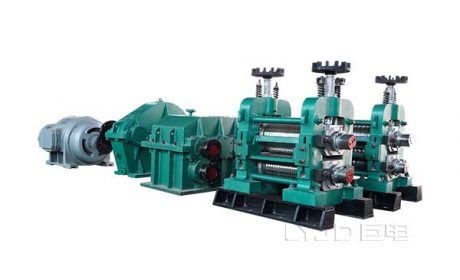
Modern steel rebar rolling mill production lines often integrate:
This level of integration ensures consistent output, reduces waste, and meets the high-volume demands of the global steel market.
If you are planning to upgrade your steel rebar rolling mill or build a new facility, the cooling bed, shearing machine, and heating furnace should be carefully selected to match your production goals, local energy resources, and quality requirements.
At rebarmill.com, we specialize in delivering complete steel rebar rolling mill production lines and customized auxiliary equipment tailored for international clients. Our engineering team ensures that every component — from billet heating to final bundling — operates at peak performance.
Contact us today to get a tailored solution that boosts your plant’s efficiency, reduces costs, and ensures your products meet international standards.
Please send us your request and we reply to you with in 24 hours.



Submit Request