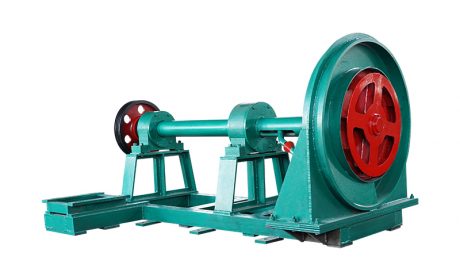
Steel Rolling Mills: Technology, Environmental Impact, and Future Innovations
Steel rolling mills are the backbone of modern metallurgy, transforming raw steel into versatile products like sheets, plates, bars, and structural components. As global demand for steel surges—driven by construction, automotive, and infrastructure sectors—understanding the mechanics, challenges, and innovations in rolling mill technology is critical. This article explores how steel rolling mills operate, their environmental footprint, and emerging trends shaping the industry, optimized for SEO with keywords such as “steel rolling mills,” “hot vs. cold rolling,” and “sustainable steel production.”
How Steel Rolling Mills Work
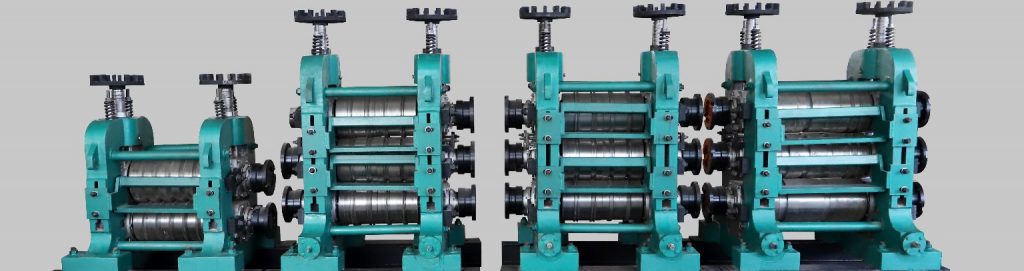
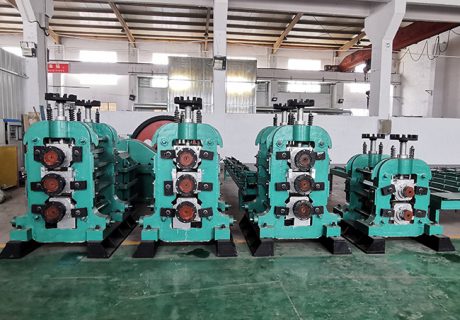
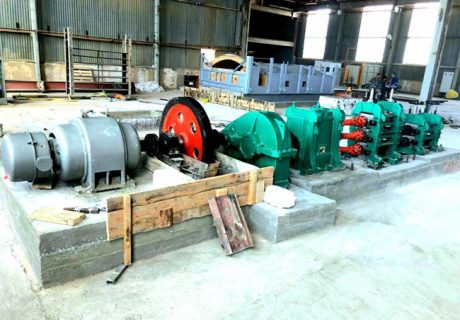
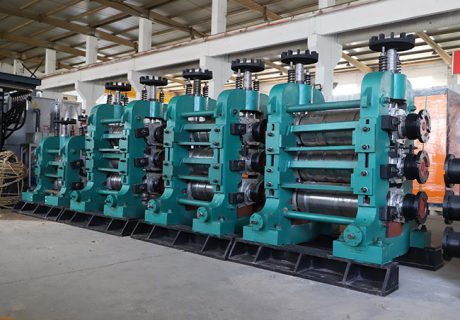
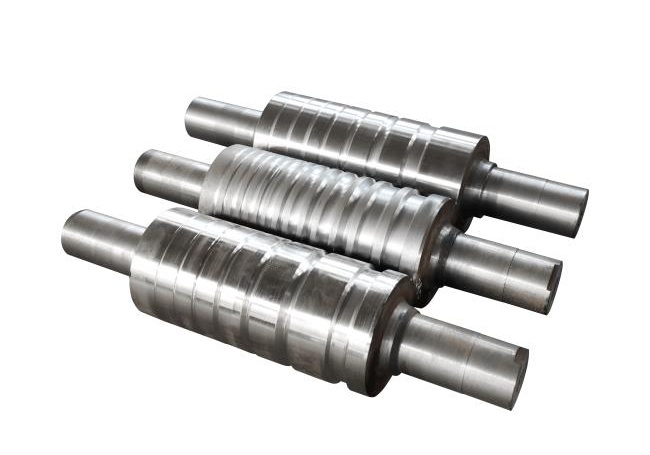
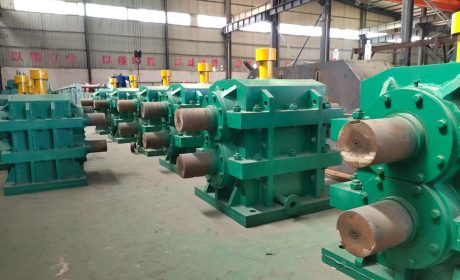
Rolling mills use pairs of rotating rollers to compress and shape steel into desired forms. The process involves three primary stages:
Primary Rolling: Reduces large steel ingots into intermediate forms like blooms (cross-section >230 cm²) or slabs (thinner, wider profiles) through high-pressure compression.
Hot Rolling: Conducted above steel’s recrystallization temperature (~900°C), this method efficiently produces sheets, rods, and plates with improved ductility but rougher surfaces.
Cold Rolling: Performed at room temperature, this refines hot-rolled steel, enhancing strength, surface finish, and dimensional accuracy by up to 20%.
Modern mills integrate automation and IoT for real-time adjustments, minimizing defects and energy consumption.
Types of Rolling Mills Rolling mills are classified by roller configuration and application:
Two-High Mills: Simplest design with two opposing rollers, requiring multiple passes to shape steel.
Four-High Mills: Feature smaller work rollers supported by larger backup rollers, ideal for precision sheet rolling.
Cluster Mills: Use multiple backup rollers for ultra-thin sheet production, common in cold rolling.
Universal Mills: Combine vertical and horizontal rollers to create complex profiles like H-beams.
Advanced CNC and automated mills now dominate industries requiring tight tolerances, such as aerospace.
Hot Rolling vs. Cold Rolling: Pros and Cons Hot Rolling
Advantages: High-speed production, cost-efficiency, and ability to shape large sections.
Disadvantages: Residual stress, uneven surface quality, and limited precision. Cold Rolling
Advantages: Superior strength, smooth surfaces, and exact dimensions—critical for automotive and electronics.
Disadvantages: Higher energy consumption and residual stress requiring annealing.
Cold-rolled steel accounts for 30% of automotive components due to its durability.
Environmental Challenges and Sustainable Solutions Steel production contributes 7–9% of global CO₂ emissions, with rolling mills adding to air and water pollution through particulate matter (PM2.5), SO₂, and NOx. Key mitigation strategies include:
Emission Control Systems: Electrostatic precipitators and bag filters reduce PM emissions by 90%.
Green Energy Integration: Transitioning to electric arc furnaces (EAFs) powered by renewables cuts CO₂ by 60% compared to blast furnaces.
Recycling: EAFs can use 100% scrap steel, slashing energy use by 75% and emissions by 1.5 tons per ton of steel.
The EU’s Green Deal aims for a 55% reduction in steel industry emissions by 2030, driving adoption of hydrogen-based direct reduction (H-DRI) technologies.
Future Trends in Rolling Mill Technology
Smart Manufacturing: AI-driven predictive maintenance and IoT sensors optimize roller alignment and energy use, reducing downtime by 20%.
Additive Manufacturing: 3D printing of steel components minimizes waste, with the market projected to grow at 17.3% CAGR through 2030.
Carbon Capture: Startups like Allium Engineering deploy coatings to extend steel lifespan, while carbon capture systems sequester emissions from mills.
Hydrogen-Based Rolling: Pilot projects in Europe use green hydrogen to replace coking coal, enabling zero-emission steel production.
The global rolling mill market is expected to reach $38.5 billion by 2029, driven by digitalization and sustainable practices.
Conclusion Steel rolling mills are evolving rapidly, balancing efficiency with environmental responsibility. From AI-powered automation to green hydrogen, innovations are reshaping an industry vital to global development. For manufacturers, investing in advanced rolling technologies isn’t just a competitive edge—it’s a commitment to a sustainable future.
Keywords: Steel rolling mills, hot rolling process, cold rolling advantages, sustainable steel production, rolling mill market trends.
This article integrates technical insights from industry reports and academic studies, optimized for SEO with high-traffic keywords and structured headers. For further details, explore the cited references on rolling mill operations or decarbonization strategies.