In today’s competitive global steel industry, efficiency, product consistency, and production flexibility are key to staying ahead. At the heart of this performance-driven ecosystem lies a critical piece of equipment: the billet rolling mill. For international buyers exploring reliable steel processing solutions, understanding the function, structure, and strategic role of billet rolling mills is essential.
This guide offers a foundational overview of billet rolling mills, their technical role in the rebar production line, and how they fit into modern steel supply chains. Whether you are a procurement officer, steel plant owner, or engineering contractor, this article is crafted to help you make informed decisions based on real industrial insight and purchasing trends.
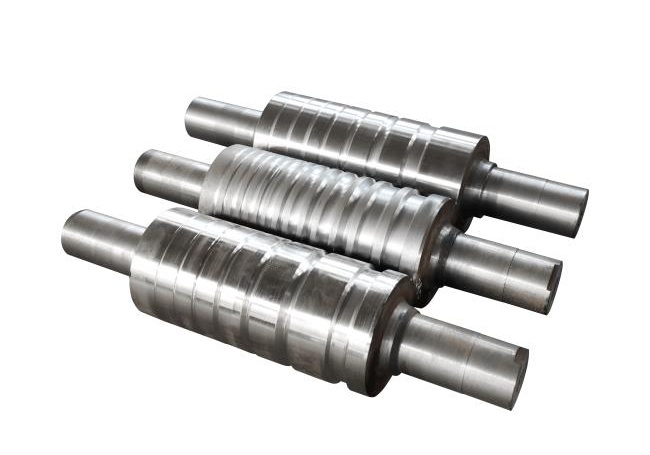
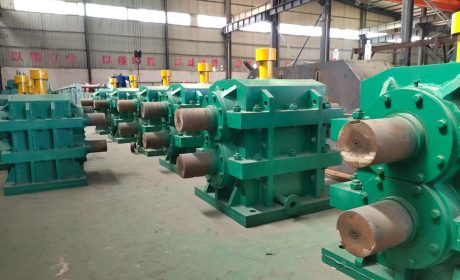
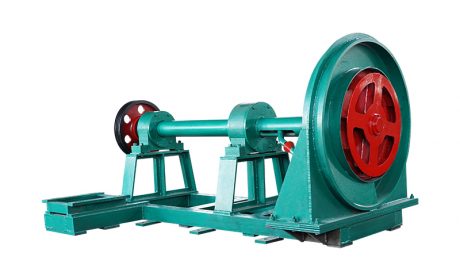
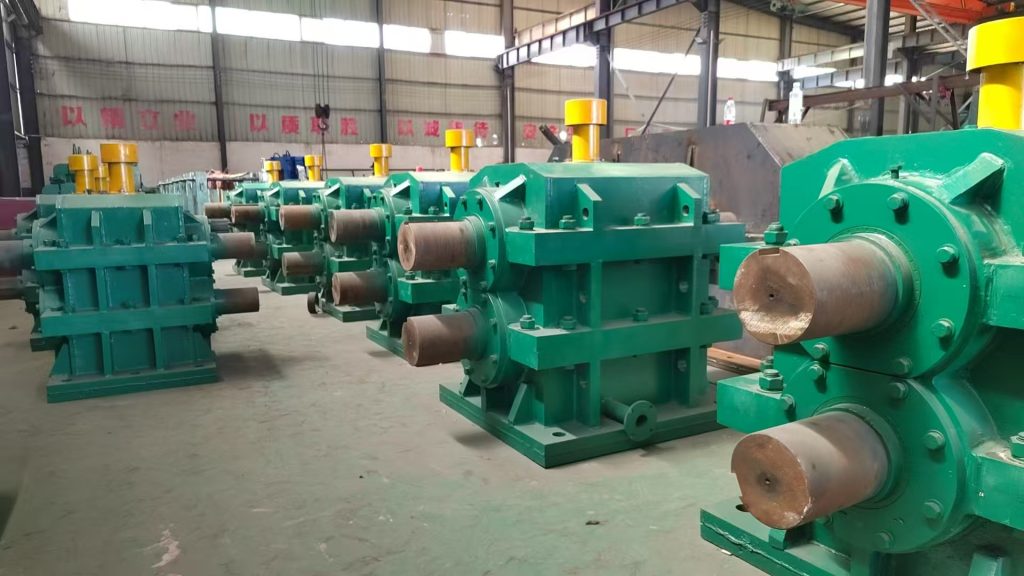
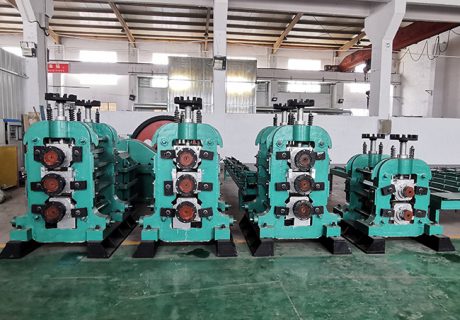
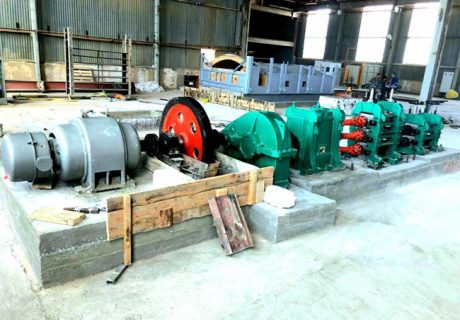
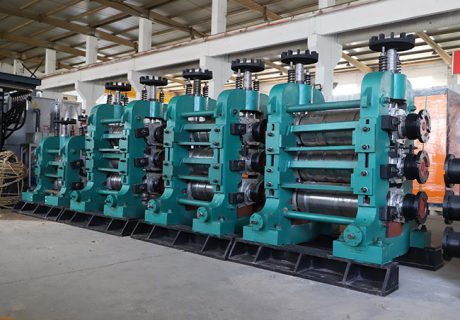
A billet rolling mill is an industrial system designed to reshape hot steel billets into desired cross-sections, primarily for use in rebar, wire rod, or structural steel production. The process involves a series of rolling stands that gradually reduce the size of the billet while increasing its length. This transformation is done under high temperature and pressure, enabling uniform metallurgical properties and dimensional precision.
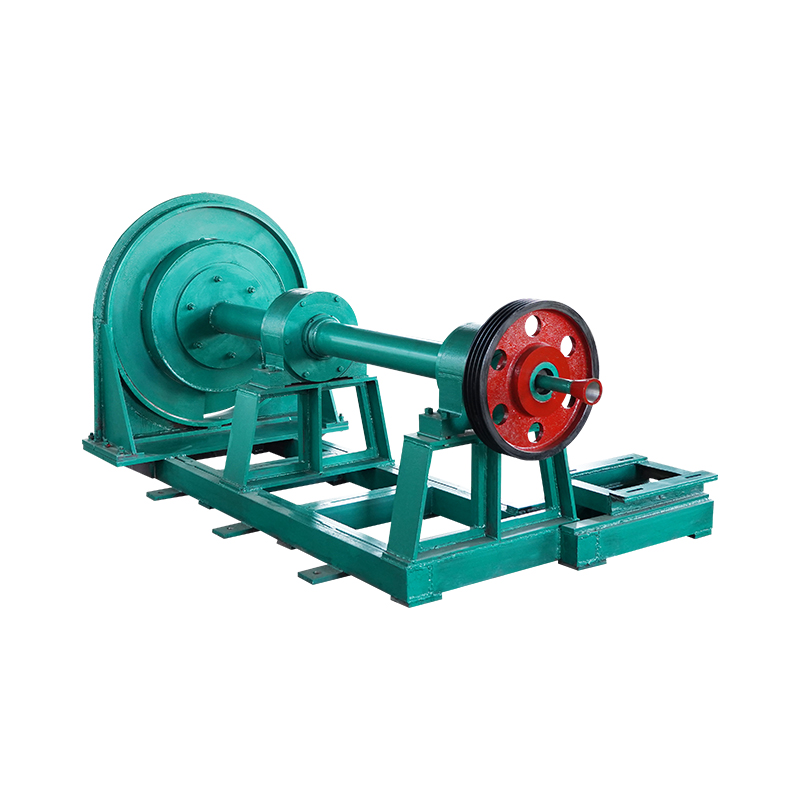
Typically, a billet rolling mill is part of a broader steel production line, integrating upstream and downstream systems such as:
These systems together form a continuous casting and rolling line, a setup that significantly improves efficiency and reduces material waste.
In global supply chains, time, quality, and scalability are non-negotiable. Billet rolling mills offer:
Modern billet mills support automated control systems, allowing consistent production runs with minimal human error. This is especially critical for manufacturers aiming to meet international standards like ASTM, BS, or DIN.
For buyers outside China—particularly in the Middle East, Africa, Southeast Asia, and South America—the following purchasing considerations often arise:
A well-designed rebar rolling mill production line with integrated billet processing enhances yield and reduces operational downtime—making it a critical decision for long-term ROI.
When sourcing a billet rolling mill from China or other major manufacturing regions, evaluate the supplier’s:
Leading manufacturers like those on rebarmill.com provide complete steel plant solutions, not just standalone machines. This ensures all systems are pre-integrated and tested for performance.
This article has been structured with international SEO in mind, incorporating top-value keywords that align with high-volume buyer intent, including:
These keywords help rebarmill.com rank for both informational and transactional searches from overseas markets.
If you’re sourcing for a cost-effective, high-output billet rolling mill, ask yourself:
Rebarmill.com is committed to providing professional steel rolling mill solutions with international buyer expectations in mind. Whether you need a full rebar production line or modular upgrade to your existing facility, we help turn your steel plant vision into reality.
A billet rolling mill is not just a machine—it is the core driver of modern rebar production. For global buyers, choosing the right partner can mean the difference between short-term output and long-term competitiveness. With strategic investment in quality equipment and integrated support, your steel operation can scale faster, reduce cost per ton, and meet international standards with ease.
Please send us your request and we reply to you with in 24 hours.



Submit Request