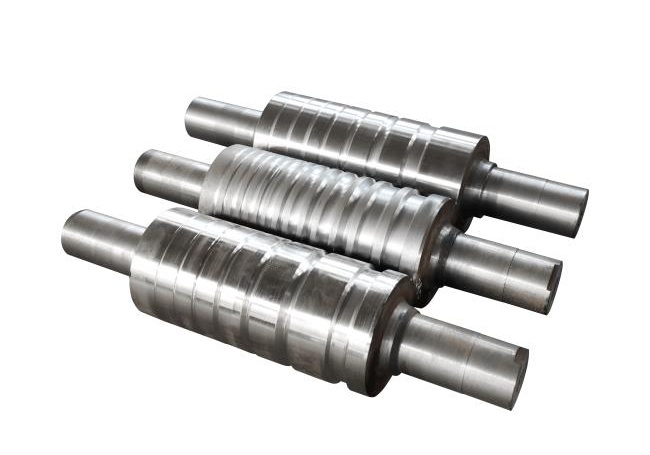
In steel rolling production, the casting process is a common manufacturing method. Casting process Casting is the pouring of molten metal into a mold, where the molten steel cools and then solidifies to obtain parts of the desired shape and properties. The advantages of this production process are low manufacturing costs and great process flexibility. The casting…
In the steel rolling production line, reducers are also necessary equipment. Today we will share with you some tips for daily maintenance of reducers. 1. Check all bolts to ensure that the connection is firm and reliable. 2. Frequently observe the working condition of the thin oil lubricating oil flow indicator to ensure that the…
Currently, there are many types of continuous casting machines and methods. And, each of them has the specific characters. Today, Judian will introduce the different types of continuous casting machines and their characteristics. The continuous casting production process has specific requirements for the equipment: The equipment must be able to handle the high temperature molten…
Types of rolling mills
Of course,The main equipment of the rolling mill includes working stand, connecting bearing, gear stand, main coupling, reducer and so on. On the rolling line, the working conditions are poor. Because the equipment is exposed to high temperature, humidity and dust for a long time, it is easy to be corroded. Extreme pressure Machine bearings…
The main equipment of the rolling mill includes working stand, connecting bearing, gear stand, main coupling, reducer and so on. On the rolling line, the working conditions are poor. Because the equipment is exposed to high temperature, humidity and dust for a long time, it is easy to be corroded. Therefore, there are high requirements…
In steel rolling production, the casting process is a common manufacturing method. steel rolling | steel rolling production Casting is the pouring of molten metal into a mold, where the molten steel cools and then solidifies to obtain parts of the desired shape and properties. The advantages of this production process are low manufacturing costs…
rolling mill refers to a piece of equipment used for metal processing, usually used for rolling smaller-scale metal plates, wires or profiles. Rolling mills have their own unique advantages and disadvantages, as follows: Advantage 1. High flexibility -Multipurpose: The rolling mill can be used to process a variety of metal materials, including steel, copper, aluminum,…
1. Efficient production: Continuous rolling mill can realize the continuous production of Rebar, steel bar, angle steel or profiles. Compared with the intermittent rolling process, the production efficiency is higher. 2. Save raw materials: Continuous rolling mill can control the thickness and shape of metal materials, reduce waste and defective products during processing, and improve…
Tandem Rolling Process is a commonly used metal processing technology known for its efficiency and performance: efficiency: Tandem Rolling Process can connect multiple rolling mills in series to achieve high-efficiency continuous production, thereby improving productivity. Excellent product quality: Tandem Rolling Process improves product quality by ensuring product dimensions and consistent surface quality due to its…
Submit Request